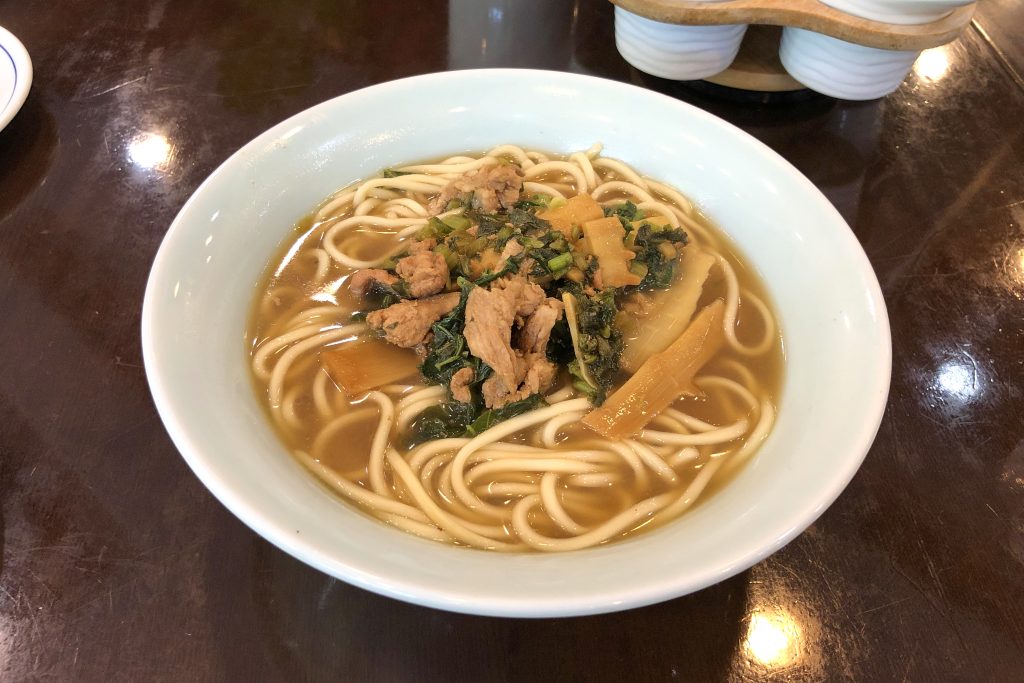
What pian’er chuan is
Pian’er chuan (片儿川) is a Hangzhou noodle-soup classic: springy wheat noodles in a savoury broth topped with sliced lean pork, tender bamboo-shoot slices, and preserved mustard greens (often called xue cai / potherb mustard in English glosses). The name points to the “slices” in the bowl. It is comforting, lightly salty-umami, and more everyday Hangzhou than banquet theatre. For English-speaking first-timers, it pairs well with other Zhejiang signatures on different meals — Longjing shrimp or Dongpo pork — rather than stacking every famous dish at once.
Expect a clear-to-light-brown broth, visible bamboo shoots, flecks of preserved vegetable, and pork slices. It should taste clean and restorative, not muddy or harshly fishy. If the bowl is only salt water with limp noodles, try another specialist tomorrow.
Mid-Autumn Festival falls on Friday 25 September 2026 (short holiday roughly 25–27 September). National Day Golden Week runs roughly 1–7 October 2026, with a makeup workday on Saturday 10 October 2026 per State Council notice 国办发明电〔2025〕7号. Famous noodle houses near West Lake tourist corridors get busy on holiday lunches — go early, late, or ask staff about queues.
Bamboo shoots, preserved greens, and broth
Bamboo-shoot slices should be tender with a gentle snap, not woody. Preserved mustard greens add salty depth — if you are sensitive to salt, eat more plain noodles between bites and sip broth gradually. Pork should be thin and cooked through. Noodles should be springy; overcooked soft noodles are a miss.
This is a soup noodle, not a dry mix like Beijing zhajiangmian. Keep chopsticks and a soup spoon handy. Blowing gently is fine; aggressive spraying across the table is not.
How to order without guessing
Useful phrases:
- 片儿川 (pian’er chuan) — the classic Hangzhou bowl
- 一碗 / 两碗 — one bowl / two bowls
- 少盐 / 清淡一点 — lighter salt if the kitchen can adjust
- 不要香菜 — no cilantro if it appears
- 多笋片 — extra bamboo shoots when available
- 加点醋 — a little vinegar if you like brightness and the shop offers it
Point to photos. Ask whether chilli oil is optional on the side — many classic bowls are not chilli-forward. Prices vary by shop and toppings; check the menu.
Payments: Alipay / WeChat Pay. Maps: SIM / eSIM. For lakeside pacing, see Hangzhou West Lake autumn weekend and Hangzhou first visit in early autumn.
Taste expectations for first-timers
Broth should smell savoury and inviting. Preserved vegetable intensity varies by house — some bowls taste stronger on day one than travellers expect. That is often style, not error. Vinegar or pepper on the side can brighten; do not drown the bowl before tasting.
Compare with other Hangzhou carb comfort: if you already had rich Dongpo pork at lunch, pian’er chuan may be better as a lighter next-day bowl. After a Lingyin Temple morning, a noodle lunch can be perfect — if queues allow.
Etiquette and table manners
- Keep chopsticks off neighbours’ bowls in tight seating.
- Rest bones or unwanted bits on the side plate, not back in the soup.
- Phones and broth splash mix poorly — wipe hands before photos.
- Finish what you can; these bowls are filling.
- Queues move faster when you know your order before the counter.
Busy Hangzhou noodle rooms are friendly but compact. Keep bags off walkways.
Where to try (venue types)
Look for Hangzhou or Zhejiang noodle specialists with steady local turnover. Long-running noodle houses can be excellent; tourist-only rooms can be average. Hotel Chinese restaurants sometimes offer a gentler first bowl. Department-store food courts near shopping streets can be convenient on rainy days. Judge by aroma and crowd, not only English signage.
A West Lake walking day needs food logistics: pin a noodle stop on your map before you are starving. For tea context the same trip, Longjing tea notes help — but do not pour drinking tea into the noodle broth.
Common mistakes
- Expecting Sichuan chilli heat
- Gulping all broth first and then finding noodles oversalted mid-bowl
- Ordering pian’er chuan plus Dongpo plus Longjing shrimp for two people with no sharing plan
- Arriving at peak holiday noon without queue time
- Wearing light colours under enthusiastic broth
- Scheduling an immediate hard-sleeper train after a giant bowl
First-timer checklist
1. Screenshot 片儿川 before you lose signal.
2. Taste broth before adding vinegar or chilli.
3. Eat bamboo shoots and greens with noodles, not as afterthoughts.
4. Carry tissues and a power bank.
5. Leave Mid-Autumn / Golden Week buffer.
FAQs
Is it spicy? Usually no; salt and preserved greens dominate. Chilli may be optional.
Vegetarian? Traditional bowls include pork; ask about meatless versions and broth bases.
Kids? Often workable if salt is moderate; ask for lighter seasoning.
Gluten? Wheat noodles — not gluten-free.
Same as Yunnan crossing-the-bridge noodles? No — different region, toppings, and broth tradition.
Pairing Hangzhou days without overload
A classic mistake is lakeside snacks all morning, giant pian’er chuan, then banquet dinner. Pick a lane: noodles as the main lunch after West Lake, or a showcase dish dinner, not both at maximum. Autumn mist and light rain make soup noodles especially appealing. Carry a layer for AC shock after outdoor humidity.
Allergies, dietary notes, and polite refusals
Wheat, soy, pork, and preserved vegetables are common. Garlic and scallion may appear. Ask about allergies clearly. MSG use varies by kitchen — discuss preferences politely if needed.
Polite scripts: 少盐, 不要香菜, 我不要这个. Tipping norms differ; pay via Alipay or WeChat.
Holiday crowds and practical extras
Near Mid-Autumn and Golden Week, build slack. Delayed metro plus full noodle shop plus timed ticket is the stress triangle. Confirm handwritten numbers. Drink water. Schedule breaks with kids or older relatives.
Lovely China was founded in 2025 to publish practical English guides for travellers and expats. Questions or a broken link: [email protected].
Noodle chew, bamboo season notes, and second bowls
Noodle thickness varies; ask for house default first. Bamboo-shoot texture can shift with season and supplier — tender slices matter more than textbook appearance. If your first bowl is too salty, next time ask 清淡一点 or share. Second-bowl temptation after lake walks is real — split large portions when unsure.
Reading Hangzhou noodle menus in English
English boards may say “pian er chuan,” “pian’erchuan,” “sliced pork bamboo shoot noodles,” or creative spellings. Trust the Chinese 片儿川 more than the romanisation. If a photo shows bamboo shoots, pork slices, and green preserved vegetable in broth, you are in the right family.
Ask whether the kitchen can go lighter on salt before the bowl is made — adjustments are harder after the fact. If vinegar, pepper, or chilli oil sit on the table, treat them as options, not requirements. First spoonfuls of broth tell you more than any blog memory.
Solo travellers can eat pian’er chuan comfortably without a banquet table. Couples can share one large bowl plus a vegetable side if portions look generous. Groups should still confirm bowl counts; noodles arrive per portion, not always family-style.
After West Lake loops, sit down before decision fatigue orders three extra snacks. A single excellent noodle bowl beats a blurry food-crawl of forgettable bites. If you plan tea hills the same day, keep stomach space honest — plantation walking plus a heavy dinner plan needs pacing.
Before you go (quick mental rehearsal)
Know the Chinese name, taste before condiments, keep holiday slack, and leave buffer before trains. Lovely China founded 2025 — [email protected].