Refusing food three times is polite in Han culture. In a Tibetan home, the third refusal insults. Accept the first bowl. Eat slowly. Leave a little — empty bowl means you’re still hungry, and they’ll keep filling it. Butter tea etiquette: sip, don’t gulp. The host refills after every sip. To stop, leave the bowl half-full and place your right hand over the rim. Nod. Thank you is “thuk je che.” It means “great compassion.” You’ll use it fifty times a day.
What Newcomers Get Wrong
Stepping over the threshold — not on it. The threshold holds the household deity. Pointing feet at the altar or an elder. Using the left hand to give or receive — always right hand, or both. Photographing inside chapels without asking. Monks may nod permission; assume they didn’t. Touching a child’s head. The crown chakra is sacred. Walking clockwise around mani piles, stupas, prayer wheels — counter-clockwise is Bon direction, and you’re not Bon.
Refusing food three times is polite in Han culture. In a Tibetan home, the third refusal insults. Accept the first bowl. Eat slowly. Leave a little — empty bowl means you’re still hungry, and they’ll keep filling it. Butter tea etiquette: sip, don’t gulp. The host refills after every sip. To stop, leave the bowl half-full and place your right hand over the rim. Nod. Thank you is “thuk je che.” It means “great compassion.” You’ll use it fifty times a day.
Altitude humbles everyone. The first night at 3,500 meters, your heart hammers at 2 a.m. Headache blooms behind the eyes. Diamox helps; so does garlic soup, so does moving slow. The old woman in Yubeng didn’t rush. She turned her prayer wheel, clicked her mantra, watched the yaks graze. I sat beside her on a stone wall, breath evening out. The mountain didn’t care about my schedule. Neither did she. That was the teaching.
In Sichuan’s Garzê Prefecture, Tagong village spreads beneath Yala Snow Mountain. The monastery’s golden roof catches first light. Horse festival in the eighth lunar month fills the grassland with tents. Nomads arrive on motorbikes now, but the races stay traditional. Buy a handwoven apron from a woman whose fingers know every pattern by heart. She’ll tell you which design protects against hail, which calls rain.
What Newcomers Get Wrong
Stepping over the threshold — not on it. The threshold holds the household deity. Pointing feet at the altar or an elder. Using the left hand to give or receive — always right hand, or both. Photographing inside chapels without asking. Monks may nod permission; assume they didn’t. Touching a child’s head. The crown chakra is sacred. Walking clockwise around mani piles, stupas, prayer wheels — counter-clockwise is Bon direction, and you’re not Bon.
Refusing food three times is polite in Han culture. In a Tibetan home, the third refusal insults. Accept the first bowl. Eat slowly. Leave a little — empty bowl means you’re still hungry, and they’ll keep filling it. Butter tea etiquette: sip, don’t gulp. The host refills after every sip. To stop, leave the bowl half-full and place your right hand over the rim. Nod. Thank you is “thuk je che.” It means “great compassion.” You’ll use it fifty times a day.
Altitude humbles everyone. The first night at 3,500 meters, your heart hammers at 2 a.m. Headache blooms behind the eyes. Diamox helps; so does garlic soup, so does moving slow. The old woman in Yubeng didn’t rush. She turned her prayer wheel, clicked her mantra, watched the yaks graze. I sat beside her on a stone wall, breath evening out. The mountain didn’t care about my schedule. Neither did she. That was the teaching.
Ganden Sumtseling, outside Shangri-La (Gyalthang), is a monastery complex disguised as a village. Seven hundred monks live in whitewashed quarters climbing the hillside. Morning debate sessions crack the air — clapping hands, stomping feet, voices rising in dialectic. Visitors sit at the back, silent. The kitchen serves vegetarian lunch to anyone: rice, dal, greens, a bowl of soup. Eat cross-legged on the floor beside a novice from Kham who misses his mother’s momo.
In Sichuan’s Garzê Prefecture, Tagong village spreads beneath Yala Snow Mountain. The monastery’s golden roof catches first light. Horse festival in the eighth lunar month fills the grassland with tents. Nomads arrive on motorbikes now, but the races stay traditional. Buy a handwoven apron from a woman whose fingers know every pattern by heart. She’ll tell you which design protects against hail, which calls rain.
What Newcomers Get Wrong
Stepping over the threshold — not on it. The threshold holds the household deity. Pointing feet at the altar or an elder. Using the left hand to give or receive — always right hand, or both. Photographing inside chapels without asking. Monks may nod permission; assume they didn’t. Touching a child’s head. The crown chakra is sacred. Walking clockwise around mani piles, stupas, prayer wheels — counter-clockwise is Bon direction, and you’re not Bon.
Refusing food three times is polite in Han culture. In a Tibetan home, the third refusal insults. Accept the first bowl. Eat slowly. Leave a little — empty bowl means you’re still hungry, and they’ll keep filling it. Butter tea etiquette: sip, don’t gulp. The host refills after every sip. To stop, leave the bowl half-full and place your right hand over the rim. Nod. Thank you is “thuk je che.” It means “great compassion.” You’ll use it fifty times a day.
Altitude humbles everyone. The first night at 3,500 meters, your heart hammers at 2 a.m. Headache blooms behind the eyes. Diamox helps; so does garlic soup, so does moving slow. The old woman in Yubeng didn’t rush. She turned her prayer wheel, clicked her mantra, watched the yaks graze. I sat beside her on a stone wall, breath evening out. The mountain didn’t care about my schedule. Neither did she. That was the teaching.
Yubeng, upper and lower, sits below Kawagarbo peak in Deqin County. No road reaches it — four hours on foot or mule from Xidang. Two guesthouses in Upper Yubeng serve yak fried rice and hot showers powered by solar water bags. The valley holds two sacred lakes and a waterfall where pilgrims bathe in near-freezing water. Stay three nights minimum. The silence rewires something.
Ganden Sumtseling, outside Shangri-La (Gyalthang), is a monastery complex disguised as a village. Seven hundred monks live in whitewashed quarters climbing the hillside. Morning debate sessions crack the air — clapping hands, stomping feet, voices rising in dialectic. Visitors sit at the back, silent. The kitchen serves vegetarian lunch to anyone: rice, dal, greens, a bowl of soup. Eat cross-legged on the floor beside a novice from Kham who misses his mother’s momo.
In Sichuan’s Garzê Prefecture, Tagong village spreads beneath Yala Snow Mountain. The monastery’s golden roof catches first light. Horse festival in the eighth lunar month fills the grassland with tents. Nomads arrive on motorbikes now, but the races stay traditional. Buy a handwoven apron from a woman whose fingers know every pattern by heart. She’ll tell you which design protects against hail, which calls rain.
What Newcomers Get Wrong
Stepping over the threshold — not on it. The threshold holds the household deity. Pointing feet at the altar or an elder. Using the left hand to give or receive — always right hand, or both. Photographing inside chapels without asking. Monks may nod permission; assume they didn’t. Touching a child’s head. The crown chakra is sacred. Walking clockwise around mani piles, stupas, prayer wheels — counter-clockwise is Bon direction, and you’re not Bon.
Refusing food three times is polite in Han culture. In a Tibetan home, the third refusal insults. Accept the first bowl. Eat slowly. Leave a little — empty bowl means you’re still hungry, and they’ll keep filling it. Butter tea etiquette: sip, don’t gulp. The host refills after every sip. To stop, leave the bowl half-full and place your right hand over the rim. Nod. Thank you is “thuk je che.” It means “great compassion.” You’ll use it fifty times a day.
Altitude humbles everyone. The first night at 3,500 meters, your heart hammers at 2 a.m. Headache blooms behind the eyes. Diamox helps; so does garlic soup, so does moving slow. The old woman in Yubeng didn’t rush. She turned her prayer wheel, clicked her mantra, watched the yaks graze. I sat beside her on a stone wall, breath evening out. The mountain didn’t care about my schedule. Neither did she. That was the teaching.
Villages Worth the Walk
Yubeng, upper and lower, sits below Kawagarbo peak in Deqin County. No road reaches it — four hours on foot or mule from Xidang. Two guesthouses in Upper Yubeng serve yak fried rice and hot showers powered by solar water bags. The valley holds two sacred lakes and a waterfall where pilgrims bathe in near-freezing water. Stay three nights minimum. The silence rewires something.
Ganden Sumtseling, outside Shangri-La (Gyalthang), is a monastery complex disguised as a village. Seven hundred monks live in whitewashed quarters climbing the hillside. Morning debate sessions crack the air — clapping hands, stomping feet, voices rising in dialectic. Visitors sit at the back, silent. The kitchen serves vegetarian lunch to anyone: rice, dal, greens, a bowl of soup. Eat cross-legged on the floor beside a novice from Kham who misses his mother’s momo.
In Sichuan’s Garzê Prefecture, Tagong village spreads beneath Yala Snow Mountain. The monastery’s golden roof catches first light. Horse festival in the eighth lunar month fills the grassland with tents. Nomads arrive on motorbikes now, but the races stay traditional. Buy a handwoven apron from a woman whose fingers know every pattern by heart. She’ll tell you which design protects against hail, which calls rain.
What Newcomers Get Wrong
Stepping over the threshold — not on it. The threshold holds the household deity. Pointing feet at the altar or an elder. Using the left hand to give or receive — always right hand, or both. Photographing inside chapels without asking. Monks may nod permission; assume they didn’t. Touching a child’s head. The crown chakra is sacred. Walking clockwise around mani piles, stupas, prayer wheels — counter-clockwise is Bon direction, and you’re not Bon.
Refusing food three times is polite in Han culture. In a Tibetan home, the third refusal insults. Accept the first bowl. Eat slowly. Leave a little — empty bowl means you’re still hungry, and they’ll keep filling it. Butter tea etiquette: sip, don’t gulp. The host refills after every sip. To stop, leave the bowl half-full and place your right hand over the rim. Nod. Thank you is “thuk je che.” It means “great compassion.” You’ll use it fifty times a day.
Altitude humbles everyone. The first night at 3,500 meters, your heart hammers at 2 a.m. Headache blooms behind the eyes. Diamox helps; so does garlic soup, so does moving slow. The old woman in Yubeng didn’t rush. She turned her prayer wheel, clicked her mantra, watched the yaks graze. I sat beside her on a stone wall, breath evening out. The mountain didn’t care about my schedule. Neither did she. That was the teaching.
Villages Worth the Walk
Yubeng, upper and lower, sits below Kawagarbo peak in Deqin County. No road reaches it — four hours on foot or mule from Xidang. Two guesthouses in Upper Yubeng serve yak fried rice and hot showers powered by solar water bags. The valley holds two sacred lakes and a waterfall where pilgrims bathe in near-freezing water. Stay three nights minimum. The silence rewires something.
Ganden Sumtseling, outside Shangri-La (Gyalthang), is a monastery complex disguised as a village. Seven hundred monks live in whitewashed quarters climbing the hillside. Morning debate sessions crack the air — clapping hands, stomping feet, voices rising in dialectic. Visitors sit at the back, silent. The kitchen serves vegetarian lunch to anyone: rice, dal, greens, a bowl of soup. Eat cross-legged on the floor beside a novice from Kham who misses his mother’s momo.
In Sichuan’s Garzê Prefecture, Tagong village spreads beneath Yala Snow Mountain. The monastery’s golden roof catches first light. Horse festival in the eighth lunar month fills the grassland with tents. Nomads arrive on motorbikes now, but the races stay traditional. Buy a handwoven apron from a woman whose fingers know every pattern by heart. She’ll tell you which design protects against hail, which calls rain.
What Newcomers Get Wrong
Stepping over the threshold — not on it. The threshold holds the household deity. Pointing feet at the altar or an elder. Using the left hand to give or receive — always right hand, or both. Photographing inside chapels without asking. Monks may nod permission; assume they didn’t. Touching a child’s head. The crown chakra is sacred. Walking clockwise around mani piles, stupas, prayer wheels — counter-clockwise is Bon direction, and you’re not Bon.
Refusing food three times is polite in Han culture. In a Tibetan home, the third refusal insults. Accept the first bowl. Eat slowly. Leave a little — empty bowl means you’re still hungry, and they’ll keep filling it. Butter tea etiquette: sip, don’t gulp. The host refills after every sip. To stop, leave the bowl half-full and place your right hand over the rim. Nod. Thank you is “thuk je che.” It means “great compassion.” You’ll use it fifty times a day.
Altitude humbles everyone. The first night at 3,500 meters, your heart hammers at 2 a.m. Headache blooms behind the eyes. Diamox helps; so does garlic soup, so does moving slow. The old woman in Yubeng didn’t rush. She turned her prayer wheel, clicked her mantra, watched the yaks graze. I sat beside her on a stone wall, breath evening out. The mountain didn’t care about my schedule. Neither did she. That was the teaching.
Losar, the New Year, arrives on the first new moon after the winter solstice. Preparation starts two weeks earlier. Families deep-fry khapse — twisted dough ribbons dusted with sugar — stacking them in pyramids on the altar. They scrub every corner of the house, burn juniper on the roof, hang new prayer flags in five colors: blue for sky, white for cloud, red for fire, green for water, yellow for earth. On the eve, everyone eats guthuk, a soup with nine ingredients including a dough ball hiding a symbol: chili for sharp tongue, wool for kindness, coal for stinginess. Laughter echoes off stone walls.
Saga Dawa, the fourth lunar month, marks the Buddha’s birth, enlightenment, and parinirvana. In villages near Mount Kailash, thousands walk the 52-kilometer kora in a single day. I watched a man in his seventies complete it on his knees, palms pressing the dirt every three steps. His daughter walked beside him, spinning a prayer wheel, neither speaking. The circuit takes fourteen hours. No one counts the hours.
Horse racing festivals break out in summer on the grasslands — Litang, Yushu, Nagchu. Riders gallop bareback, scooping khata scarves from the ground at full speed. Women wear coral headdresses heavy as anchors, amber necklaces clicking against silver amulet boxes. Men wrestle in wool coats, legs locked, breath steaming. The air smells of roasting mutton, horse sweat, incense. These gatherings last three days. Deals are struck, marriages arranged, news traded from valleys weeks apart by foot.
Food That Carries the Altitude
Tibetan cuisine is fuel first, flavor second — though the best cooks make them identical. Butter tea (po cha) is the baseline: yak butter churned into strong black tea with salt, beaten in a wooden cylinder until emulsified. It coats the throat, wards off altitude headache, delivers calories in liquid form. Drink three bowls before breakfast. Refuse a refill and your host will worry.
Tsampa, roasted barley flour, is the staff of life. Pour tea into a bowl, add flour, mix with two fingers into a stiff dough ball. Eat with your right hand. The motion — pour, pinch, roll, pop — becomes muscle memory. In monasteries, monks toss tsampa into the air during ceremonies, a cloud of golden dust blessing the crowd.
Momo: half-moon dumplings stuffed with minced yak, onion, ginger, steamed over yak-dung fire. Dip in sep — tomato-chili sauce with Sichuan peppercorn tingle.
Thukpa: hand-pulled noodles in broth with dried radish, spinach, yak meat strips. The broth remembers every hand that stirred it.
Shabhaley: fried bread pockets filled with seasoned meat, crisp outside, juicy within. Street food at festival grounds.
Dre-si: sweet rice with butter, raisins, droma root — served at weddings and Losar.
Chang: mild barley beer, sipped from wooden bowls through a reed straw. Shared, never solo.
Home method for momo: mince yak shoulder with plenty of fat. Salt, pepper, minced ginger, scallion, a splash of soy. Let rest an hour. Roll wrappers thin as paper — this takes practice. Pleat the edges in a spiral, twelve folds minimum. Steam twenty minutes over boiling water scented with juniper branches. The juice should run hot down your chin.
Traditional Houses: Stone, Wood, Sky
A Tibetan house is a fortress, a monastery, a barn. In central Tibet (Ü-Tsang), two-story stone blocks dominate. Ground floor: stables, storage for dung fuel, barley sacks. Upper floor: chapel room with altar, kitchen around the stove, sleeping platforms along walls. Roof is living space — drying chilies, spreading barley to roast, children playing, elders spinning prayer wheels at sunset. Parapets are crenellated, a reminder of bandit raids centuries past.
In Kham (eastern Tibet), houses spread horizontally. Timber frames with stone infill, carved window frames painted in geometric bands — red, black, white, the colors of protection. Courtyards hold prayer flag poles taller than the roof. In Amdo (northeast), flat-roofed adobe blends into the steppe, whitewashed against summer sun. Each region reads the land differently.
Chapel room (chosham): always the cleanest, highest corner. Butter lamps burn daily. Offerings: water bowls, torma sculptures, tsampa, flowers in summer.
Stove (thap): metal box burning dung, wood, sometimes coal. Three stones hold the pot. The fire never fully dies.
Sleeping platform (khang): raised wooden frame padded with felt, wool, sheepskins. Family sleeps head-to-altar, feet toward door.
Roof access: interior ladder or exterior stone steps. Parapet wall chest-high for safety.
Grain storage: sealed wooden bins, opened only by the household head.
Villages Worth the Walk
Yubeng, upper and lower, sits below Kawagarbo peak in Deqin County. No road reaches it — four hours on foot or mule from Xidang. Two guesthouses in Upper Yubeng serve yak fried rice and hot showers powered by solar water bags. The valley holds two sacred lakes and a waterfall where pilgrims bathe in near-freezing water. Stay three nights minimum. The silence rewires something.
Ganden Sumtseling, outside Shangri-La (Gyalthang), is a monastery complex disguised as a village. Seven hundred monks live in whitewashed quarters climbing the hillside. Morning debate sessions crack the air — clapping hands, stomping feet, voices rising in dialectic. Visitors sit at the back, silent. The kitchen serves vegetarian lunch to anyone: rice, dal, greens, a bowl of soup. Eat cross-legged on the floor beside a novice from Kham who misses his mother’s momo.
In Sichuan’s Garzê Prefecture, Tagong village spreads beneath Yala Snow Mountain. The monastery’s golden roof catches first light. Horse festival in the eighth lunar month fills the grassland with tents. Nomads arrive on motorbikes now, but the races stay traditional. Buy a handwoven apron from a woman whose fingers know every pattern by heart. She’ll tell you which design protects against hail, which calls rain.
What Newcomers Get Wrong
Stepping over the threshold — not on it. The threshold holds the household deity. Pointing feet at the altar or an elder. Using the left hand to give or receive — always right hand, or both. Photographing inside chapels without asking. Monks may nod permission; assume they didn’t. Touching a child’s head. The crown chakra is sacred. Walking clockwise around mani piles, stupas, prayer wheels — counter-clockwise is Bon direction, and you’re not Bon.
Refusing food three times is polite in Han culture. In a Tibetan home, the third refusal insults. Accept the first bowl. Eat slowly. Leave a little — empty bowl means you’re still hungry, and they’ll keep filling it. Butter tea etiquette: sip, don’t gulp. The host refills after every sip. To stop, leave the bowl half-full and place your right hand over the rim. Nod. Thank you is “thuk je che.” It means “great compassion.” You’ll use it fifty times a day.
Altitude humbles everyone. The first night at 3,500 meters, your heart hammers at 2 a.m. Headache blooms behind the eyes. Diamox helps; so does garlic soup, so does moving slow. The old woman in Yubeng didn’t rush. She turned her prayer wheel, clicked her mantra, watched the yaks graze. I sat beside her on a stone wall, breath evening out. The mountain didn’t care about my schedule. Neither did she. That was the teaching.
Festivals That Move With the Moon
Losar, the New Year, arrives on the first new moon after the winter solstice. Preparation starts two weeks earlier. Families deep-fry khapse — twisted dough ribbons dusted with sugar — stacking them in pyramids on the altar. They scrub every corner of the house, burn juniper on the roof, hang new prayer flags in five colors: blue for sky, white for cloud, red for fire, green for water, yellow for earth. On the eve, everyone eats guthuk, a soup with nine ingredients including a dough ball hiding a symbol: chili for sharp tongue, wool for kindness, coal for stinginess. Laughter echoes off stone walls.
Saga Dawa, the fourth lunar month, marks the Buddha’s birth, enlightenment, and parinirvana. In villages near Mount Kailash, thousands walk the 52-kilometer kora in a single day. I watched a man in his seventies complete it on his knees, palms pressing the dirt every three steps. His daughter walked beside him, spinning a prayer wheel, neither speaking. The circuit takes fourteen hours. No one counts the hours.
Horse racing festivals break out in summer on the grasslands — Litang, Yushu, Nagchu. Riders gallop bareback, scooping khata scarves from the ground at full speed. Women wear coral headdresses heavy as anchors, amber necklaces clicking against silver amulet boxes. Men wrestle in wool coats, legs locked, breath steaming. The air smells of roasting mutton, horse sweat, incense. These gatherings last three days. Deals are struck, marriages arranged, news traded from valleys weeks apart by foot.
Food That Carries the Altitude
Tibetan cuisine is fuel first, flavor second — though the best cooks make them identical. Butter tea (po cha) is the baseline: yak butter churned into strong black tea with salt, beaten in a wooden cylinder until emulsified. It coats the throat, wards off altitude headache, delivers calories in liquid form. Drink three bowls before breakfast. Refuse a refill and your host will worry.
Tsampa, roasted barley flour, is the staff of life. Pour tea into a bowl, add flour, mix with two fingers into a stiff dough ball. Eat with your right hand. The motion — pour, pinch, roll, pop — becomes muscle memory. In monasteries, monks toss tsampa into the air during ceremonies, a cloud of golden dust blessing the crowd.
Momo: half-moon dumplings stuffed with minced yak, onion, ginger, steamed over yak-dung fire. Dip in sep — tomato-chili sauce with Sichuan peppercorn tingle.
Thukpa: hand-pulled noodles in broth with dried radish, spinach, yak meat strips. The broth remembers every hand that stirred it.
Shabhaley: fried bread pockets filled with seasoned meat, crisp outside, juicy within. Street food at festival grounds.
Dre-si: sweet rice with butter, raisins, droma root — served at weddings and Losar.
Chang: mild barley beer, sipped from wooden bowls through a reed straw. Shared, never solo.
Home method for momo: mince yak shoulder with plenty of fat. Salt, pepper, minced ginger, scallion, a splash of soy. Let rest an hour. Roll wrappers thin as paper — this takes practice. Pleat the edges in a spiral, twelve folds minimum. Steam twenty minutes over boiling water scented with juniper branches. The juice should run hot down your chin.
Traditional Houses: Stone, Wood, Sky
A Tibetan house is a fortress, a monastery, a barn. In central Tibet (Ü-Tsang), two-story stone blocks dominate. Ground floor: stables, storage for dung fuel, barley sacks. Upper floor: chapel room with altar, kitchen around the stove, sleeping platforms along walls. Roof is living space — drying chilies, spreading barley to roast, children playing, elders spinning prayer wheels at sunset. Parapets are crenellated, a reminder of bandit raids centuries past.
In Kham (eastern Tibet), houses spread horizontally. Timber frames with stone infill, carved window frames painted in geometric bands — red, black, white, the colors of protection. Courtyards hold prayer flag poles taller than the roof. In Amdo (northeast), flat-roofed adobe blends into the steppe, whitewashed against summer sun. Each region reads the land differently.
Chapel room (chosham): always the cleanest, highest corner. Butter lamps burn daily. Offerings: water bowls, torma sculptures, tsampa, flowers in summer.
Stove (thap): metal box burning dung, wood, sometimes coal. Three stones hold the pot. The fire never fully dies.
Sleeping platform (khang): raised wooden frame padded with felt, wool, sheepskins. Family sleeps head-to-altar, feet toward door.
Roof access: interior ladder or exterior stone steps. Parapet wall chest-high for safety.
Grain storage: sealed wooden bins, opened only by the household head.
Villages Worth the Walk
Yubeng, upper and lower, sits below Kawagarbo peak in Deqin County. No road reaches it — four hours on foot or mule from Xidang. Two guesthouses in Upper Yubeng serve yak fried rice and hot showers powered by solar water bags. The valley holds two sacred lakes and a waterfall where pilgrims bathe in near-freezing water. Stay three nights minimum. The silence rewires something.
Ganden Sumtseling, outside Shangri-La (Gyalthang), is a monastery complex disguised as a village. Seven hundred monks live in whitewashed quarters climbing the hillside. Morning debate sessions crack the air — clapping hands, stomping feet, voices rising in dialectic. Visitors sit at the back, silent. The kitchen serves vegetarian lunch to anyone: rice, dal, greens, a bowl of soup. Eat cross-legged on the floor beside a novice from Kham who misses his mother’s momo.
In Sichuan’s Garzê Prefecture, Tagong village spreads beneath Yala Snow Mountain. The monastery’s golden roof catches first light. Horse festival in the eighth lunar month fills the grassland with tents. Nomads arrive on motorbikes now, but the races stay traditional. Buy a handwoven apron from a woman whose fingers know every pattern by heart. She’ll tell you which design protects against hail, which calls rain.
What Newcomers Get Wrong
Stepping over the threshold — not on it. The threshold holds the household deity. Pointing feet at the altar or an elder. Using the left hand to give or receive — always right hand, or both. Photographing inside chapels without asking. Monks may nod permission; assume they didn’t. Touching a child’s head. The crown chakra is sacred. Walking clockwise around mani piles, stupas, prayer wheels — counter-clockwise is Bon direction, and you’re not Bon.
Refusing food three times is polite in Han culture. In a Tibetan home, the third refusal insults. Accept the first bowl. Eat slowly. Leave a little — empty bowl means you’re still hungry, and they’ll keep filling it. Butter tea etiquette: sip, don’t gulp. The host refills after every sip. To stop, leave the bowl half-full and place your right hand over the rim. Nod. Thank you is “thuk je che.” It means “great compassion.” You’ll use it fifty times a day.
Altitude humbles everyone. The first night at 3,500 meters, your heart hammers at 2 a.m. Headache blooms behind the eyes. Diamox helps; so does garlic soup, so does moving slow. The old woman in Yubeng didn’t rush. She turned her prayer wheel, clicked her mantra, watched the yaks graze. I sat beside her on a stone wall, breath evening out. The mountain didn’t care about my schedule. Neither did she. That was the teaching.
Festivals That Move With the Moon
Losar, the New Year, arrives on the first new moon after the winter solstice. Preparation starts two weeks earlier. Families deep-fry khapse — twisted dough ribbons dusted with sugar — stacking them in pyramids on the altar. They scrub every corner of the house, burn juniper on the roof, hang new prayer flags in five colors: blue for sky, white for cloud, red for fire, green for water, yellow for earth. On the eve, everyone eats guthuk, a soup with nine ingredients including a dough ball hiding a symbol: chili for sharp tongue, wool for kindness, coal for stinginess. Laughter echoes off stone walls.
Saga Dawa, the fourth lunar month, marks the Buddha’s birth, enlightenment, and parinirvana. In villages near Mount Kailash, thousands walk the 52-kilometer kora in a single day. I watched a man in his seventies complete it on his knees, palms pressing the dirt every three steps. His daughter walked beside him, spinning a prayer wheel, neither speaking. The circuit takes fourteen hours. No one counts the hours.
Horse racing festivals break out in summer on the grasslands — Litang, Yushu, Nagchu. Riders gallop bareback, scooping khata scarves from the ground at full speed. Women wear coral headdresses heavy as anchors, amber necklaces clicking against silver amulet boxes. Men wrestle in wool coats, legs locked, breath steaming. The air smells of roasting mutton, horse sweat, incense. These gatherings last three days. Deals are struck, marriages arranged, news traded from valleys weeks apart by foot.
Food That Carries the Altitude
Tibetan cuisine is fuel first, flavor second — though the best cooks make them identical. Butter tea (po cha) is the baseline: yak butter churned into strong black tea with salt, beaten in a wooden cylinder until emulsified. It coats the throat, wards off altitude headache, delivers calories in liquid form. Drink three bowls before breakfast. Refuse a refill and your host will worry.
Tsampa, roasted barley flour, is the staff of life. Pour tea into a bowl, add flour, mix with two fingers into a stiff dough ball. Eat with your right hand. The motion — pour, pinch, roll, pop — becomes muscle memory. In monasteries, monks toss tsampa into the air during ceremonies, a cloud of golden dust blessing the crowd.
Momo: half-moon dumplings stuffed with minced yak, onion, ginger, steamed over yak-dung fire. Dip in sep — tomato-chili sauce with Sichuan peppercorn tingle.
Thukpa: hand-pulled noodles in broth with dried radish, spinach, yak meat strips. The broth remembers every hand that stirred it.
Shabhaley: fried bread pockets filled with seasoned meat, crisp outside, juicy within. Street food at festival grounds.
Dre-si: sweet rice with butter, raisins, droma root — served at weddings and Losar.
Chang: mild barley beer, sipped from wooden bowls through a reed straw. Shared, never solo.
Home method for momo: mince yak shoulder with plenty of fat. Salt, pepper, minced ginger, scallion, a splash of soy. Let rest an hour. Roll wrappers thin as paper — this takes practice. Pleat the edges in a spiral, twelve folds minimum. Steam twenty minutes over boiling water scented with juniper branches. The juice should run hot down your chin.
Traditional Houses: Stone, Wood, Sky
A Tibetan house is a fortress, a monastery, a barn. In central Tibet (Ü-Tsang), two-story stone blocks dominate. Ground floor: stables, storage for dung fuel, barley sacks. Upper floor: chapel room with altar, kitchen around the stove, sleeping platforms along walls. Roof is living space — drying chilies, spreading barley to roast, children playing, elders spinning prayer wheels at sunset. Parapets are crenellated, a reminder of bandit raids centuries past.
In Kham (eastern Tibet), houses spread horizontally. Timber frames with stone infill, carved window frames painted in geometric bands — red, black, white, the colors of protection. Courtyards hold prayer flag poles taller than the roof. In Amdo (northeast), flat-roofed adobe blends into the steppe, whitewashed against summer sun. Each region reads the land differently.
Chapel room (chosham): always the cleanest, highest corner. Butter lamps burn daily. Offerings: water bowls, torma sculptures, tsampa, flowers in summer.
Stove (thap): metal box burning dung, wood, sometimes coal. Three stones hold the pot. The fire never fully dies.
Sleeping platform (khang): raised wooden frame padded with felt, wool, sheepskins. Family sleeps head-to-altar, feet toward door.
Roof access: interior ladder or exterior stone steps. Parapet wall chest-high for safety.
Grain storage: sealed wooden bins, opened only by the household head.
Villages Worth the Walk
Yubeng, upper and lower, sits below Kawagarbo peak in Deqin County. No road reaches it — four hours on foot or mule from Xidang. Two guesthouses in Upper Yubeng serve yak fried rice and hot showers powered by solar water bags. The valley holds two sacred lakes and a waterfall where pilgrims bathe in near-freezing water. Stay three nights minimum. The silence rewires something.
Ganden Sumtseling, outside Shangri-La (Gyalthang), is a monastery complex disguised as a village. Seven hundred monks live in whitewashed quarters climbing the hillside. Morning debate sessions crack the air — clapping hands, stomping feet, voices rising in dialectic. Visitors sit at the back, silent. The kitchen serves vegetarian lunch to anyone: rice, dal, greens, a bowl of soup. Eat cross-legged on the floor beside a novice from Kham who misses his mother’s momo.
In Sichuan’s Garzê Prefecture, Tagong village spreads beneath Yala Snow Mountain. The monastery’s golden roof catches first light. Horse festival in the eighth lunar month fills the grassland with tents. Nomads arrive on motorbikes now, but the races stay traditional. Buy a handwoven apron from a woman whose fingers know every pattern by heart. She’ll tell you which design protects against hail, which calls rain.
What Newcomers Get Wrong
Stepping over the threshold — not on it. The threshold holds the household deity. Pointing feet at the altar or an elder. Using the left hand to give or receive — always right hand, or both. Photographing inside chapels without asking. Monks may nod permission; assume they didn’t. Touching a child’s head. The crown chakra is sacred. Walking clockwise around mani piles, stupas, prayer wheels — counter-clockwise is Bon direction, and you’re not Bon.
Refusing food three times is polite in Han culture. In a Tibetan home, the third refusal insults. Accept the first bowl. Eat slowly. Leave a little — empty bowl means you’re still hungry, and they’ll keep filling it. Butter tea etiquette: sip, don’t gulp. The host refills after every sip. To stop, leave the bowl half-full and place your right hand over the rim. Nod. Thank you is “thuk je che.” It means “great compassion.” You’ll use it fifty times a day.
Altitude humbles everyone. The first night at 3,500 meters, your heart hammers at 2 a.m. Headache blooms behind the eyes. Diamox helps; so does garlic soup, so does moving slow. The old woman in Yubeng didn’t rush. She turned her prayer wheel, clicked her mantra, watched the yaks graze. I sat beside her on a stone wall, breath evening out. The mountain didn’t care about my schedule. Neither did she. That was the teaching.
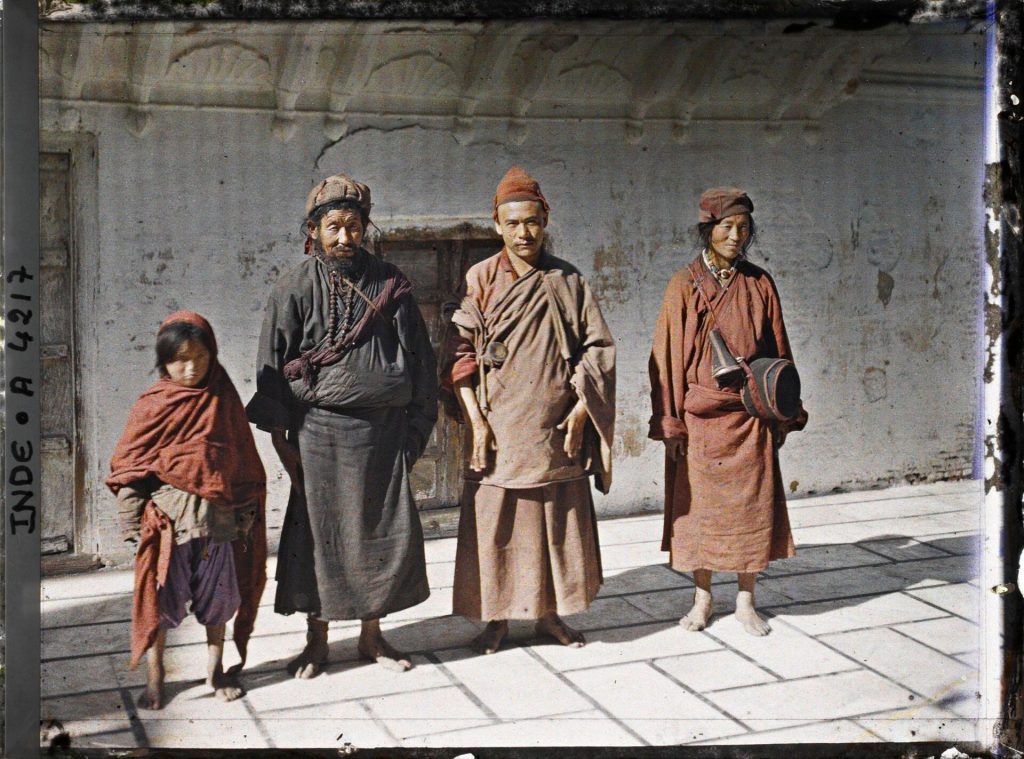
The truck’s engine coughed as we crested the pass at 4,800 meters, prayer flags snapping against a sky so blue it hurt. Below, the village of Yubeng clung to a glacial valley in northwestern Yunnan, stone houses stacked like cards against the mountain. An old woman in a dark wool chuba walked the dirt lane turning a prayer wheel, the mantra clicking steady as a heartbeat. She didn’t look up. This wasn’t a performance. It was Tuesday.
Daily Rhythms in a Mountain Village
Life in Tibetan villages follows the animals. In summer, families move to high pastures — black yak-hair tents pitched on grass that grows knee-high in July. Women rise before dawn to milk dri, the female yak, fingers moving fast against warm flanks. The milk goes into wooden churns for butter tea, the rest curdled into hard chhurpi cheese that hangs in smoke-blackened rafters. Men check fences, repair saddles, argue over which ridge holds better grazing. Children herd calves on ponies no taller than a Labrador.
Winter drives everyone down to the valley floor. Houses here are built for cold: thick stone walls, flat roofs packed with earth, small windows framed in painted wood. The ground floor shelters livestock — their body heat rises through the floorboards. Upstairs, the family room centers on a metal stove fed with dung bricks. Walls display thangka scrolls, a cabinet of sutras wrapped in silk, photographs of the Dalai Lama beside a cracked smartphone charging on a solar panel. There is no contradiction here.
Morning: butter tea, tsampa porridge, prayer wheel circuit around the house
Midday: barley bread with yak cheese, thermos of sweet tea carried to the fields
Evening: thukpa noodle soup with dried radish, family debate over monastery news
Night: prostrations before the household altar, then sleep under piled yak-wool blankets
Festivals That Move With the Moon
Losar, the New Year, arrives on the first new moon after the winter solstice. Preparation starts two weeks earlier. Families deep-fry khapse — twisted dough ribbons dusted with sugar — stacking them in pyramids on the altar. They scrub every corner of the house, burn juniper on the roof, hang new prayer flags in five colors: blue for sky, white for cloud, red for fire, green for water, yellow for earth. On the eve, everyone eats guthuk, a soup with nine ingredients including a dough ball hiding a symbol: chili for sharp tongue, wool for kindness, coal for stinginess. Laughter echoes off stone walls.
Saga Dawa, the fourth lunar month, marks the Buddha’s birth, enlightenment, and parinirvana. In villages near Mount Kailash, thousands walk the 52-kilometer kora in a single day. I watched a man in his seventies complete it on his knees, palms pressing the dirt every three steps. His daughter walked beside him, spinning a prayer wheel, neither speaking. The circuit takes fourteen hours. No one counts the hours.
Horse racing festivals break out in summer on the grasslands — Litang, Yushu, Nagchu. Riders gallop bareback, scooping khata scarves from the ground at full speed. Women wear coral headdresses heavy as anchors, amber necklaces clicking against silver amulet boxes. Men wrestle in wool coats, legs locked, breath steaming. The air smells of roasting mutton, horse sweat, incense. These gatherings last three days. Deals are struck, marriages arranged, news traded from valleys weeks apart by foot.
Food That Carries the Altitude
Tibetan cuisine is fuel first, flavor second — though the best cooks make them identical. Butter tea (po cha) is the baseline: yak butter churned into strong black tea with salt, beaten in a wooden cylinder until emulsified. It coats the throat, wards off altitude headache, delivers calories in liquid form. Drink three bowls before breakfast. Refuse a refill and your host will worry.
Tsampa, roasted barley flour, is the staff of life. Pour tea into a bowl, add flour, mix with two fingers into a stiff dough ball. Eat with your right hand. The motion — pour, pinch, roll, pop — becomes muscle memory. In monasteries, monks toss tsampa into the air during ceremonies, a cloud of golden dust blessing the crowd.
Momo: half-moon dumplings stuffed with minced yak, onion, ginger, steamed over yak-dung fire. Dip in sep — tomato-chili sauce with Sichuan peppercorn tingle.
Thukpa: hand-pulled noodles in broth with dried radish, spinach, yak meat strips. The broth remembers every hand that stirred it.
Shabhaley: fried bread pockets filled with seasoned meat, crisp outside, juicy within. Street food at festival grounds.
Dre-si: sweet rice with butter, raisins, droma root — served at weddings and Losar.
Chang: mild barley beer, sipped from wooden bowls through a reed straw. Shared, never solo.
Home method for momo: mince yak shoulder with plenty of fat. Salt, pepper, minced ginger, scallion, a splash of soy. Let rest an hour. Roll wrappers thin as paper — this takes practice. Pleat the edges in a spiral, twelve folds minimum. Steam twenty minutes over boiling water scented with juniper branches. The juice should run hot down your chin.
Traditional Houses: Stone, Wood, Sky
A Tibetan house is a fortress, a monastery, a barn. In central Tibet (Ü-Tsang), two-story stone blocks dominate. Ground floor: stables, storage for dung fuel, barley sacks. Upper floor: chapel room with altar, kitchen around the stove, sleeping platforms along walls. Roof is living space — drying chilies, spreading barley to roast, children playing, elders spinning prayer wheels at sunset. Parapets are crenellated, a reminder of bandit raids centuries past.
In Kham (eastern Tibet), houses spread horizontally. Timber frames with stone infill, carved window frames painted in geometric bands — red, black, white, the colors of protection. Courtyards hold prayer flag poles taller than the roof. In Amdo (northeast), flat-roofed adobe blends into the steppe, whitewashed against summer sun. Each region reads the land differently.
Chapel room (chosham): always the cleanest, highest corner. Butter lamps burn daily. Offerings: water bowls, torma sculptures, tsampa, flowers in summer.
Stove (thap): metal box burning dung, wood, sometimes coal. Three stones hold the pot. The fire never fully dies.
Sleeping platform (khang): raised wooden frame padded with felt, wool, sheepskins. Family sleeps head-to-altar, feet toward door.
Roof access: interior ladder or exterior stone steps. Parapet wall chest-high for safety.
Grain storage: sealed wooden bins, opened only by the household head.
Villages Worth the Walk
Yubeng, upper and lower, sits below Kawagarbo peak in Deqin County. No road reaches it — four hours on foot or mule from Xidang. Two guesthouses in Upper Yubeng serve yak fried rice and hot showers powered by solar water bags. The valley holds two sacred lakes and a waterfall where pilgrims bathe in near-freezing water. Stay three nights minimum. The silence rewires something.
Ganden Sumtseling, outside Shangri-La (Gyalthang), is a monastery complex disguised as a village. Seven hundred monks live in whitewashed quarters climbing the hillside. Morning debate sessions crack the air — clapping hands, stomping feet, voices rising in dialectic. Visitors sit at the back, silent. The kitchen serves vegetarian lunch to anyone: rice, dal, greens, a bowl of soup. Eat cross-legged on the floor beside a novice from Kham who misses his mother’s momo.
In Sichuan’s Garzê Prefecture, Tagong village spreads beneath Yala Snow Mountain. The monastery’s golden roof catches first light. Horse festival in the eighth lunar month fills the grassland with tents. Nomads arrive on motorbikes now, but the races stay traditional. Buy a handwoven apron from a woman whose fingers know every pattern by heart. She’ll tell you which design protects against hail, which calls rain.
What Newcomers Get Wrong
Stepping over the threshold — not on it. The threshold holds the household deity. Pointing feet at the altar or an elder. Using the left hand to give or receive — always right hand, or both. Photographing inside chapels without asking. Monks may nod permission; assume they didn’t. Touching a child’s head. The crown chakra is sacred. Walking clockwise around mani piles, stupas, prayer wheels — counter-clockwise is Bon direction, and you’re not Bon.
Refusing food three times is polite in Han culture. In a Tibetan home, the third refusal insults. Accept the first bowl. Eat slowly. Leave a little — empty bowl means you’re still hungry, and they’ll keep filling it. Butter tea etiquette: sip, don’t gulp. The host refills after every sip. To stop, leave the bowl half-full and place your right hand over the rim. Nod. Thank you is “thuk je che.” It means “great compassion.” You’ll use it fifty times a day.
Altitude humbles everyone. The first night at 3,500 meters, your heart hammers at 2 a.m. Headache blooms behind the eyes. Diamox helps; so does garlic soup, so does moving slow. The old woman in Yubeng didn’t rush. She turned her prayer wheel, clicked her mantra, watched the yaks graze. I sat beside her on a stone wall, breath evening out. The mountain didn’t care about my schedule. Neither did she. That was the teaching.