The minibus lurches around a hairpin above the Jinsha River, diesel fumes mixing with the scent of pine and woodsmoke. Through the window, a valley opens — barley fields striped green and gold, a whitewashed monastery clinging to a ridge, prayer flags snapping in wind that tastes of snow even in late spring. The driver shouts something in Tibetan to a passenger up front; both laugh. My altitude headache pulses behind my eyes, but the view pulls me forward. This is Gyelthang, the Tibetan name that never left local tongues, the place the map calls Shangri-La.
Getting Oriented
The town sits at 3,300 meters on the eastern edge of the Tibetan Plateau. Most travelers arrive by air — the airport perches on a plateau twenty minutes from town, flights from Kunming and Chengdu landing when weather permits. Buses from Lijiang climb the Tiger Leaping Gorge road in six to seven hours, a spectacular ride if the driver doesn’t rush the curves. A new high-speed rail link from Kunming to Shangri-La opened recently, cutting travel time to roughly three hours and making the region far more accessible.
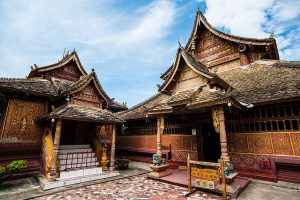
Three names, one place. Bus tickets still say Zhongdian. Tibetan elders say Gyelthang. The Shangri-La moniker arrived in 2001 when the county renamed itself after Hilton’s novel, chasing tourism revenue. The old town — Dukezong — burned badly in a 2014 fire; what stands now is largely rebuilt, though the layout follows the original maze of flagstone lanes. Stay in the new town near the bus station for cheaper rooms and better transport links. Choose the old town periphery if you want to wake to chanting from Ganden Sumtseling Monastery drifting over rooftops.
When to Show Up
Late spring brings rhododendron forests ablaze on the mountain slopes — pink, crimson, white — coinciding with the Horse Racing Festival, usually the fifth day of the fifth lunar month. Tibetan families camp on the plains outside town for three days of horse archery, wrestling, and circle dancing. Summer monsoon turns trails muddy but paints the grasslands electric green; wild mushrooms fruit in pine woods, and matsutake appear in market baskets by August. Autumn, from the eighth lunar month onward, delivers crystalline skies, golden poplar avenues, and the clearest views of Meili Snow Mountain’s thirteen peaks. Winter is brutal — temperatures drop to minus twenty, many guesthouses close, but the few pilgrims circling Sumtseling’s kora path have the monastery nearly to themselves.
Monastery Mornings and Mountain Days
Ganden Sumtseling, the “Little Potala,” climbs a hill north of town. Arrive at 7 a.m. before tour groups. Monks in crimson robes debate in the courtyard, clapping hands to punctuate arguments. Butter lamps flicker in the main hall; the air thickens with juniper incense and yak butter. Walk the outer kora clockwise — elderly women counting mala beads, prostrating every three steps. Allow two hours.
Pudacuo National Park, twenty kilometers east, protects alpine lakes and wetlands. The shuttle bus stops at Shudu Lake, where wooden boardwalks thread through spruce forest reflected in water so still it mirrors clouds. Continue to Bita Lake — deeper, bluer, ringed by azaleas in late spring. Hike the full loop if your lungs allow; otherwise, ride the shuttle back. Entry fee covers transport inside.
Tiger Leaping Gorge demands a full day, preferably two. The High Trail clings above the Jinsha River, guesthouses every few kilometers serving fried rice and hot tea. Naxi families run them; their children dart along cliffs while yaks graze vertical meadows. The gorge narrows to thirty meters at the leap point — legend says a tiger jumped across to escape hunters. Watch the river hammer through, a brown roar that vibrates through your boots.
For the ambitious, Yading Nature Reserve lies three days’ travel north in Sichuan’s Daocheng County — the “other Shangri-La.” Three sacred peaks rise above turquoise lakes: Chenrezig, Jambeyang, Chanadorje. Trekking the inner kora takes four to five days at 4,000-plus meters. Most foreigners hire a driver from Shangri-La town, sleep in Daocheng, enter the park at dawn. Permits check at the gate; bring passport copies.
Eating at Altitude
Tibetan food is fuel. Breakfast: steamed mantou buns dipped in yak butter tea, salty and thick enough to coat a spoon. Lunch: hand-pulled noodles in bone broth with radish, cilantro, chili oil. Dinner: yak meat stewed with potatoes, Sichuan peppercorns numbing the lips, served in a copper pot over a tabletop stove. Tsampa — roasted barley flour mixed with butter tea into dough balls — sustains pilgrims on month-long kora circuits. Try it at a market stall; the vendor will show you the pinch-and-roll technique.
- Yak butter tea: churned in a wooden cylinder, salt added, drunk from wooden bowls.
- Momos: steamed dumplings, yak meat or potato filling, served with fire-red chili paste.
- Thukpa: noodle soup with yak, daikon, greens, hand-torn dough strips.
- Matsutake mushrooms: grilled whole over charcoal, brushed with garlic oil, seasonal autumn only.
- Highland barley wine: sweet, low alcohol, served warm in ceramic cups.
Restaurants near the old town square cater to tour groups — picture menus, inflated prices, MSG-heavy wok dishes. Walk two blocks toward the bus station. Family-run spots have Tibetan script on the wall, no English, and the best thukpa in town. Point at what another table eats. Pay cash; few accept cards outside hotels.
Sleeping and Practicalities
Guesthouses range from dorm beds in converted stables to courtyard hotels with heated floors and oxygen canisters in the lobby. Book a place with a thick duvet and a window facing south — morning sun warms the room, afternoon light dries laundry. Ask for an extra blanket; nights stay cold year-round. Many family guesthouses serve breakfast on the roof: tsampa, fried eggs, sweet milk tea, views of the monastery’s golden roofs.
Altitude hits differently. Spend the first day walking slow, drinking water, skipping alcohol. Pharmacies sell Hongjingtian (rhodiola) capsules and oxygen canisters — cheap, effective for headaches. Clinics in town treat acute mountain sickness; the county hospital has a hyperbaric chamber. Travel insurance covering evacuation above 3,000 meters is not optional.
Cash is king. ATMs exist but swallow foreign cards sporadically. Bring yuan in small denominations — vendors rarely break hundred-yuan notes for a five-yuan momo. Mobile payment works in chain stores; street stalls and monasteries want paper. Carry a power bank; cold drains phone batteries fast.
What Locals Notice
Step over thresholds, not on them — door sills hold protective spirits. Walk clockwise around mani piles and prayer wheels; spinning them counterclockwise erases merit. Ask before photographing monks or elders; some refuse, others nod and adjust their hats. In homes, accept the first bowl of butter tea with both hands, sip three times, leave a little — emptying it signals you want more, which obliges the host to refill endlessly.
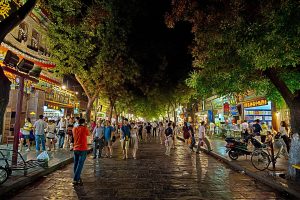
Market days — the 1st, 5th, and 10th of each lunar month — swell the main street with Tibetan traders from surrounding valleys. Women wear coral-and-turquoise headdresses weighing kilograms; men lead mules loaded with firewood, cheese wheels, sacks of barley. This is not a performance. Prices are real, bargaining expected but gentle. Buy a hand-woven apron, a yak-hair tent rope, a block of chura (hard cheese) that keeps for months.
The biggest mistake? Treating Shangri-La as a checklist. The place rewards lingering — sitting on a monastery step watching light move across the valley, sharing a thermos of tea with a driver who points out the snow leopard track on a distant ridge, learning that the Tibetan name Gyelthang means “royal plains,” not “lost horizon.” The paradise Hilton imagined was fiction. The reality is harder, colder, and far more worth the breath it takes to reach it.