The wok handle burns my palm through the dish towel. Steam rises in a white column, carrying the scent of caramelized pork fat, scorched garlic, and the floral smoke of sesame oil. A mound of rice, each grain distinct and coated in amber, sits in the center of the well-seasoned carbon steel. This is the breakfast of champions in a Guangzhou alleyway, the late-night cure in a Hong Kong dai pai dong, and now, the Sunday project on my own stove. The secret isn’t a restaurant burner; it’s cold rice, a screaming hot pan, and the patience to let the char siu singe before the grain ever hits the metal.
What Arrives on the Table
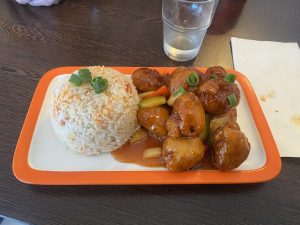
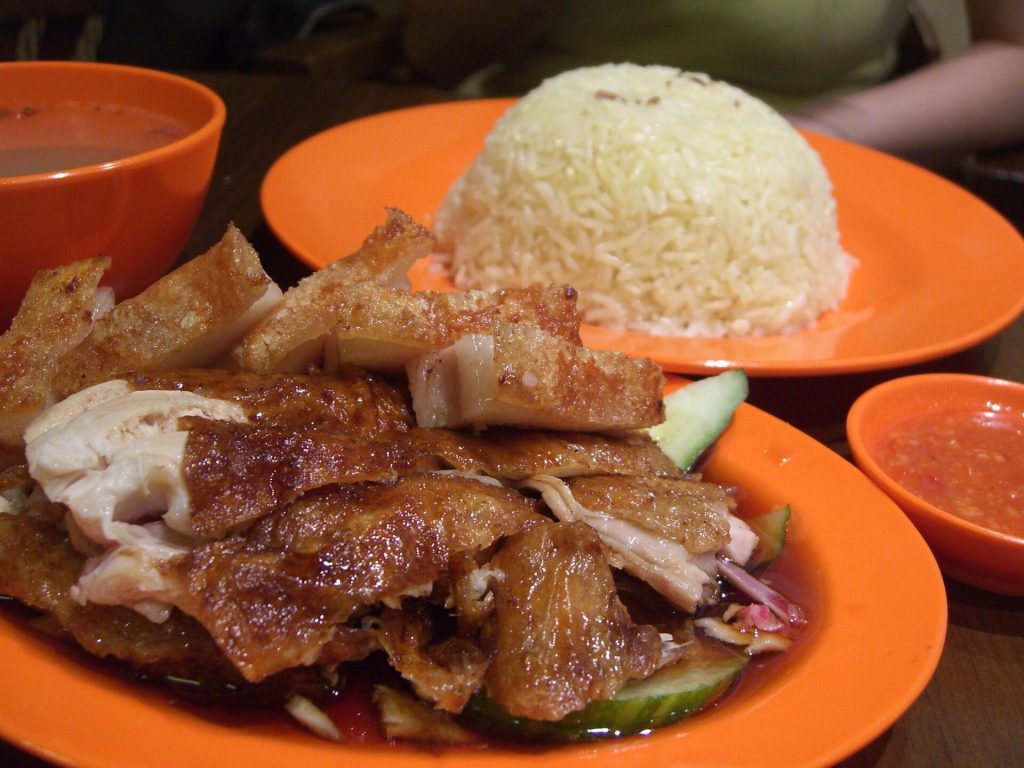
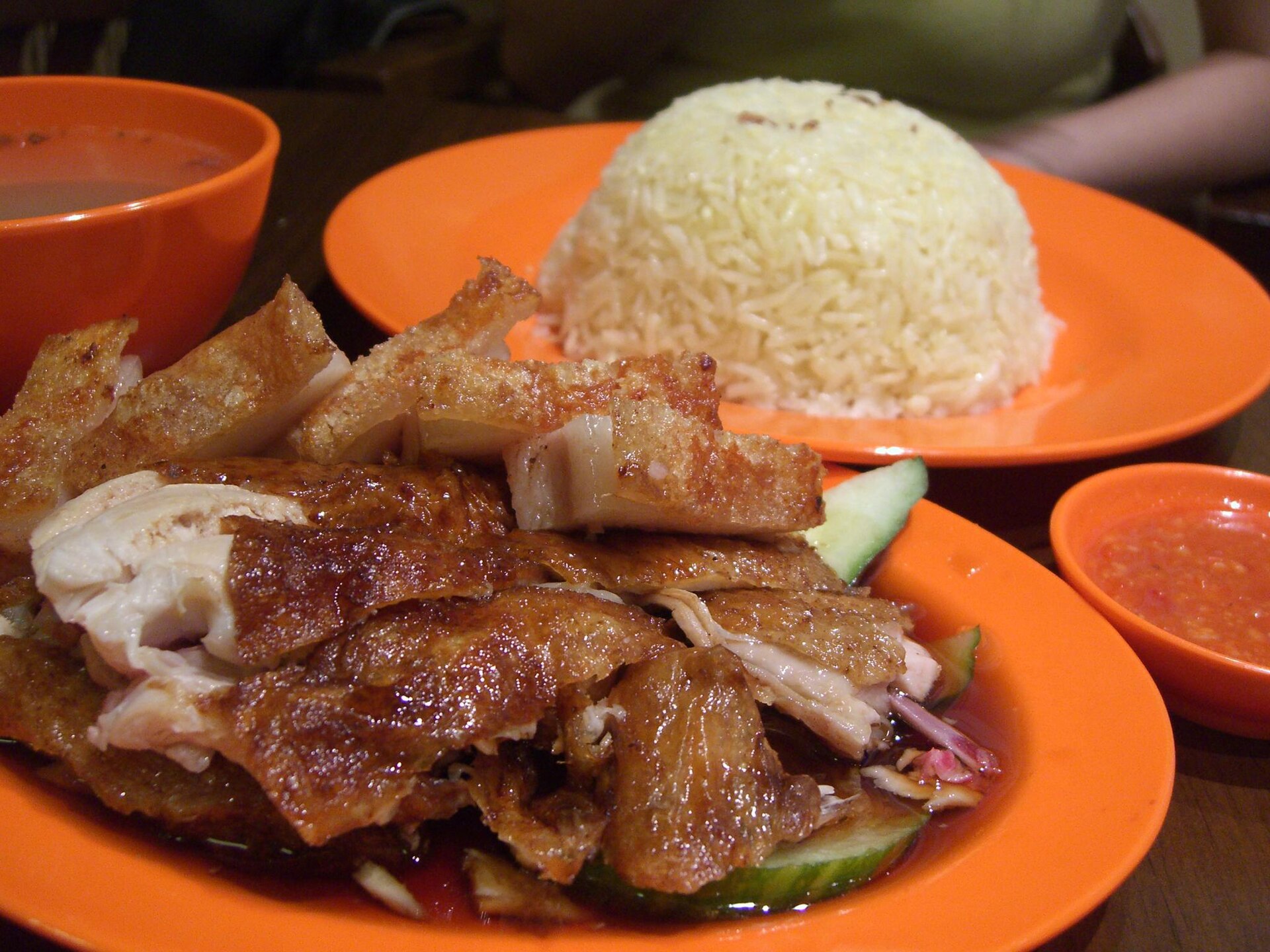
A proper plate of char siu fried rice is a study in contrast. The rice should be dry to the touch, never mushy, each kernel separate and glistening with a thin veneer of oil. You want to see flecks of golden egg white and rich yolk woven through the white grains, not a yellow smear. The char siu provides the architecture: cubes of pork with a sticky, dark red lacquer on the edges, fading to pale pink inside, offering a sweet-salty chew against the soft rice. Scallions bring a sharp, green bite; minced ginger and chili leave a warm hum in the throat. On the side, a ramekin of pale cucumber slices and shredded white cabbage offers a crisp, vinegary reset between mouthfuls. A simple omelet, rolled and sliced into ribbons, crowns the heap, its edges slightly browned and crisp.
The Home Method: Char Siu and Rice
You cannot rush the pork. The marinade needs time to penetrate the loin, and the oven does the work of a charcoal pit if you let it. The rice demands advance planning — freshly cooked rice turns to paste in a wok. Cook it the night before, spread it on a tray, and leave it uncovered in the refrigerator. By morning, the surface moisture has evaporated, leaving hard, distinct grains that will fry rather than steam.
- Marinate the pork: Cut 750 g boneless pork loin into 3 cm cubes. Whisk together 50 ml barbecue sauce, 15 ml light soy sauce, 30 ml hoisin sauce, 5 tbsp sugar, and 2½ tbsp salt. Toss the pork until coated. Cover and refrigerate for at least 25 minutes, stirring once halfway through so the syrup clings evenly.
- Roast the char siu: Heat the oven to 200 °C. Spread the cubes on a foil-lined baking pan, reserving the excess marinade. Roast for 20 minutes, brushing once with the leftover sauce at the ten-minute mark, until the edges are dark and sticky. Let rest on a plate while you prep the aromatics.
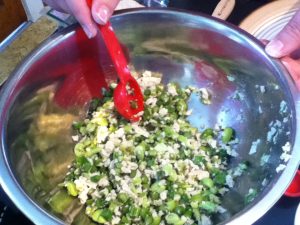
- Prep the battlefield: Mince 7 garlic cloves, a 5 cm knob of ginger, 5 red chilies, and 20 g jalapeño. Slice 6 scallions into 2 cm batons, separating white and green parts. Beat 4 eggs with a pinch of salt. Measure 1 kg cold day-old rice into a bowl, breaking clumps with your fingers. Mix 4 tbsp salted soy sauce, 2 tbsp chicken bouillon powder, 1½ tbsp oyster sauce, and 2 tbsp salt in a small cup.
- Fry the eggs: Heat 2 tbsp olive oil in the wok over high heat until it shimmers. Pour in the eggs. Scramble quickly into soft, large curds — 30 seconds max. Remove and set aside.
- Build the base: Return wok to high heat. Add the remaining olive oil and 5 tbsp sesame oil. Toss in garlic, ginger, chilies, jalapeño, and the white scallion parts. Stir-fry 15 seconds until fragrant but not browned.
- Toast the rice: Dump the cold rice into the wok. Press and toss aggressively with the spatula, smashing grains against the hot metal. Work fast — two minutes of violent tossing creates the wok hei breath.
- Season and finish: Splash the sauce mixture over the rice. Keep tossing. Return the cooked eggs and the char siu cubes (with any pan juices). Fold in the green scallion tops. Taste; it should be savory, slightly sweet, peppery. Kill the heat.
- Using warm rice. Day-old, fridge-cold rice is non-negotiable. Warm rice has surface starch that glues the grains into a cake. If you forgot, spread hot rice on a baking sheet and blast it with a fan or freeze for 20 minutes.
- Crowding the wok. A 30 cm wok handles 500 g rice max. More than that drops the temperature, steaming the food. Cook in two batches.
- Burning the aromatics. Garlic and ginger go from fragrant to bitter in seconds. Have the rice ready to hit the oil the instant the perfume rises.
- Over-saucing. The bouillon powder and soy bring salt; the char siu brings sugar. Taste before the final 2 tbsp of soy. You can’t undo a salt bomb.
- Skipping the rest. Let the roasted pork sit five minutes before cubing. Cutting hot lets the juice run onto the cutting board instead of staying in the meat.
Ordering It Out: Reading the Menu
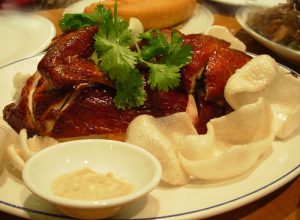
In a Cantonese roast meat shop, you don’t order “fried rice.” You point at the hanging pork and say, “Char siu fan, gau dai” — char siu rice, extra gravy. The chef chops a fresh slab off the hook, cleaver flashing, rendering fat sizzling on the block. He scoops rice from a wooden tub, not a steam table. Watch his wok: if he adds the egg after the rice, the grains stay white and the egg stays yellow. If he pours beaten egg over hot rice and stirs, you get yellow rice — a shortcut. Ask for laap cheung (Chinese sausage) diced in if you want more smoke. In a cha chaan teng, the portion arrives on an oval enamel plate with a side of canned corn cream soup and a wedge of tomato. That tomato isn’t decoration; its acid cuts the oil. Drink the soup first, then attack the rice while the wok heat lingers.
Beginner Mistakes
Stories from the Stove
My first attempt happened during the damp chill of the eleventh lunar month. I used warm rice, a non-stick pan, and pre-sliced supermarket char siu that tasted of red dye and corn syrup. The result was a beige sludge my roommate politely called “porridge.” The second time, I waited for the twelfth month, the depth of winter. I roasted my own pork until the kitchen smelled like a festival. I froze the rice overnight. I heated the wok until a drop of water skittered like mercury. The sound of rice hitting that oil — a sharp, dry tsss — was the sound of success. My neighbor knocked, drawn by the sesame smoke curling under the door. We ate standing at the counter, burning our fingers on the enamel spoons, the cabbage pickle crunching loud in the quiet flat. That bowl didn’t need a recipe. It needed the memory of the first failure to make the second one right.