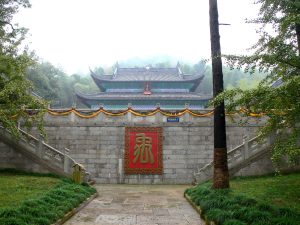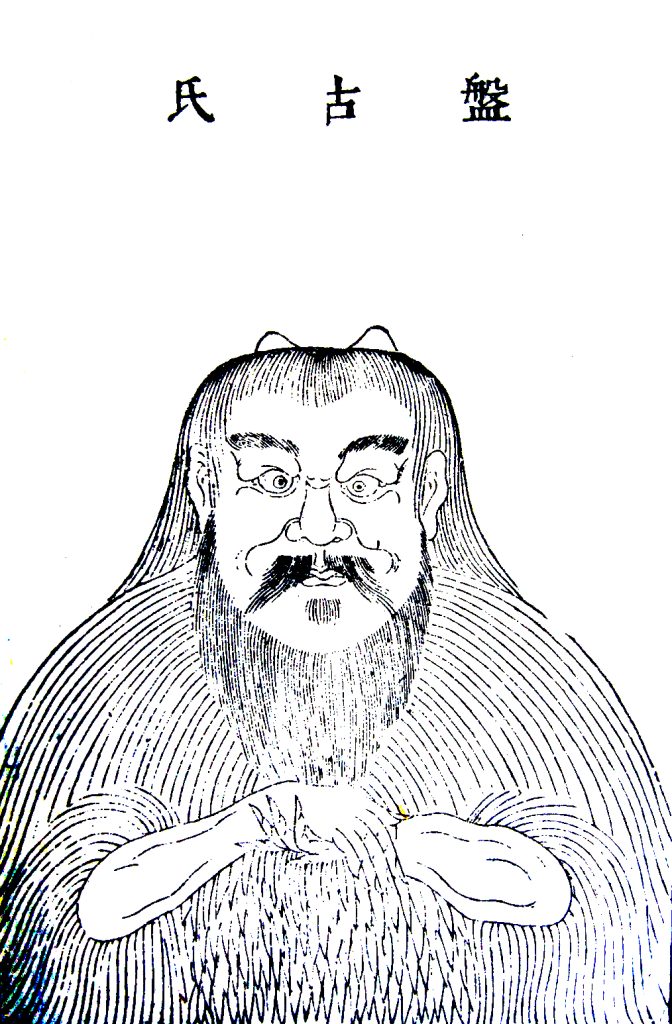
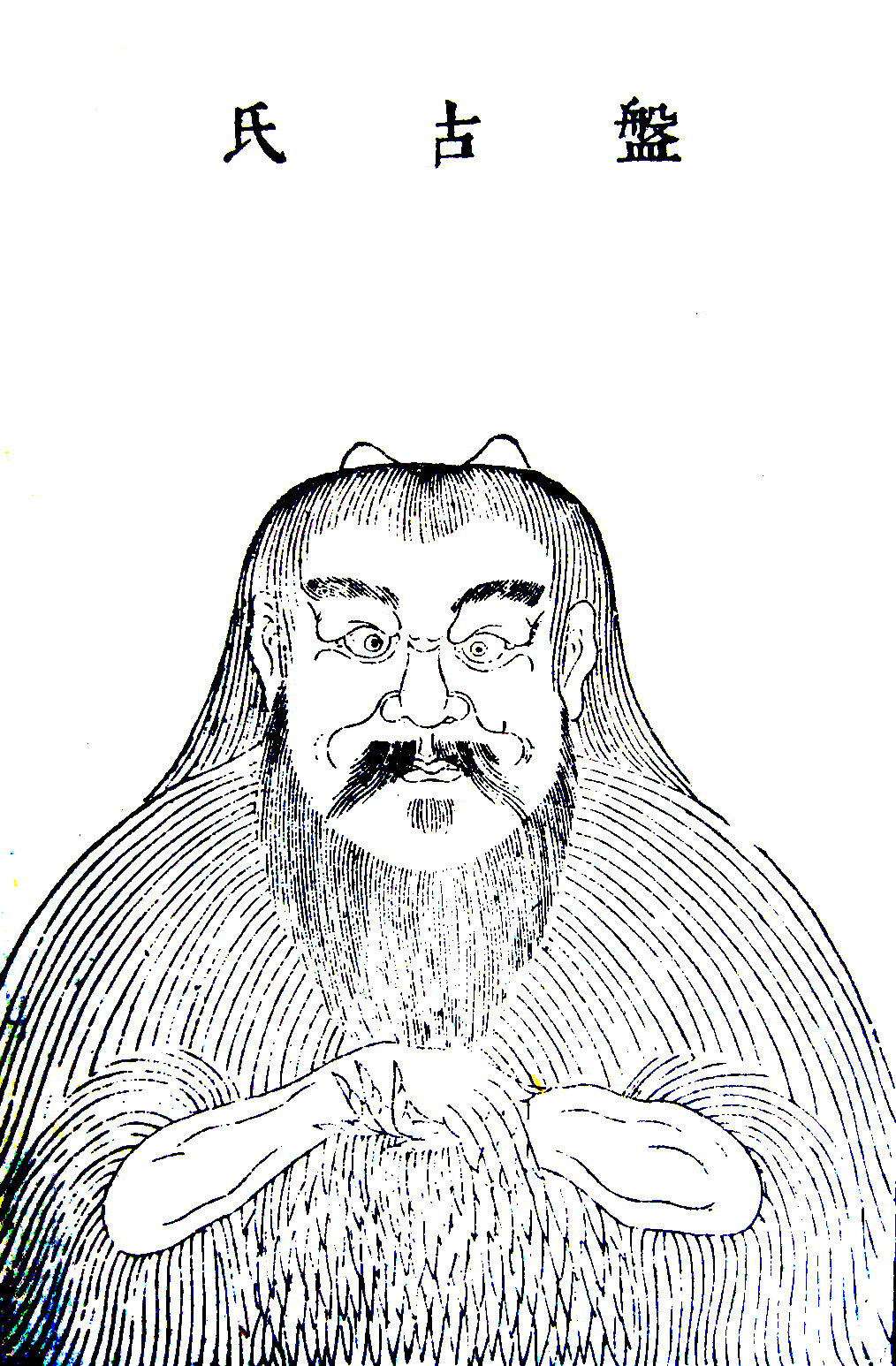
The incense smoke curled sideways in the draft coming through the side door of the Pangu Temple in Biyang County, Henan. An old woman pressed a stick of sandalwood into the brass censer, bowed three times, and muttered something too quiet to catch. Behind her, a tour group from Guangzhou snapped photos of the stone statue — Pangu with his leaf skirt, stone axe raised, one foot on a turtle, the other on a snake. The guide whispered that the axe weighed three hundred catties. Nobody asked how they knew. I stood near the back, watching the light hit the cracks in the statue’s shoulder, thinking how a myth this old still gets treated like a living relative.
The Story You Hear in the Village
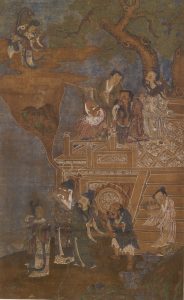
Ask a farmer in the foothills of the Funiu Mountains about Pangu, and you won’t get the textbook version. They’ll tell you he hatched from a black egg the size of a millstone, that he grew nine feet a day, and that his breath became the wind, his voice the thunder. His left eye turned into the sun, the right into the moon. When he died, his head became Mount Tai, his belly the central plains, his blood the Yellow River. His hair and beard? The stars and the Milky Way. His fleas became the common people. That last part always draws a laugh around the fire.
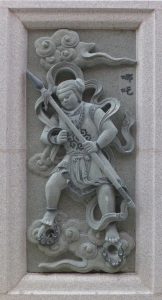
The details shift from valley to valley. In some tellings, he’s a horned giant with a chisel and hammer. In others, he’s a shapeless breath that hardens into bone. The earliest written fragment comes from a tomb text predating the Three Kingdoms, attributed to Xu Zheng, but the oral version is older — passed down by shamans, coffin bearers, and midwives who whispered it over newborns to give them strong bones.
Where the Myth Lives on the Ground
You won’t find a single “Pangu Trail” marked on tourist maps. The sites are scattered, stitched into local geography. The main temple in Biyang sits at the foot of Pangu Mountain, where a split boulder is said to be the crack his axe made. Pilgrims touch the fissure for back pain. In Guangdong, a cave near Zhaoqing claims to be where he rested after pushing the sky up. In Sichuan, a village festival reenacts the separation of heaven and earth with two teams pulling a rope — one side dressed in blue (sky), the other in yellow (earth). The rope snaps. Everyone cheers.
Timing matters. The biggest gatherings happen on the third day of the third lunar month — Pangu’s birthday, by local reckoning. Temples fill before dawn. Vendors sell steamed buns shaped like axes, paper kites painted with yin-yang spirals, and clay whistles that scream when you blow them. If you show up in the wrong season, the temple gates are locked, the incense cold, and the only sound is wind in the ginkgo trees.
What Locals Expect From You
Don’t treat the statue like a museum piece. If you enter a Pangu shrine, step over the threshold — never on it. Bow once toward the altar, even if you don’t believe. Photography is usually allowed, but not with flash during prayer. Locals don’t mind questions, but they bristle at “Is this real?” The myth isn’t a claim about physics. It’s a way of holding the land, the seasons, and each other.
If you’re invited to a family altar during the festival, accept the offered incense. Hold it with both hands, forehead level, three bows. Place it in the sand. Don’t blow out the flame — wave your hand. Refusing isn’t rude, but it marks you as someone who stays outside the circle.
What Newcomers Get Wrong
First mistake: hunting for a single “authentic” version. There isn’t one. The Zhuang people in Guangxi say Pangu had a sister who helped him measure the sky. The Miao in Guizhou say he carved the rivers with his fingernails. The Hakka say he taught them to build round houses. Each group owns their telling. Asking which is “original” misses the point.
Second mistake: confusing Pangu with Panhu, the dog ancestor of the Yao and She peoples. The names sound similar in Mandarin. The stories are unrelated. Panhu married a princess and fathered twelve clans. Pangu split the cosmos. Mixing them up in conversation with elders earns a sharp correction.
Third mistake: assuming the myth is dead folklore. I watched a middle-school teacher in Nanyang pull up a 3D animation of the cosmic egg on her phone to show her class. The kids gasped when the axe swung. That night, their grandparents told the same story over roasted sweet potatoes, no screen needed. The myth runs on two tracks now — digital and oral — and neither is more “real.”
How to Carry It With You
You don’t need to memorize the genealogy of his body parts. What stays is the image: a giant standing in the dark, arms trembling, holding up the sky so the world has room to breathe. When you hike the Qinling ridges in autumn mist, or cross the Yangtze on a night ferry, or hear thunder crack over a tiled roof in a courtyard house — that’s the myth still working. Not as explanation. As company.
If you want a token, skip the plastic keychains. Buy a hand-carved peach pit from an old man near the temple gate. He’ll have etched the axe and the egg on opposite sides. Rub it with your thumb until the ridges smooth. That’s the only souvenir that earns its keep.