Temples, Trails, and the Unwritten Rules
Eating at the Source
The market in Shenjiamen wakes before light. Tanks bubble with mantis shrimp, mud crabs, and the occasional spotted grouper. You point, they weigh, and a stall across the aisle steams it with scallion, ginger, and a splash of Shaoxing wine — ten minutes later the shell cracks open, meat sweet as chestnut. In Dinghai’s night lanes, look for the carts rolling out iron griddles: oyster omelets folded over chive, clams tossed with fermented black bean, hairtail dusted in cornstarch and fried until the bones turn to lace. Order by weight, not portion. A jin (500 g) of razor clams feeds two with rice. The mistake is asking for a menu; the catch dictates the dish.
- Morning auction: Shenjiamen Fish Market, 4:30 a.m. – 7:00 a.m., best for whole fish
- Steamed hairtail: scallion, ginger, Shaoxing wine, 8 min over high steam
- Oyster omelet: sweet potato starch batter, fresh oysters, egg, chive, chili sauce
- Clams in black bean: fermented douchi, garlic, splash of boiling water, lid on 3 min
- Razor clams: rinse in salt water 20 min, quick blanch, dip in vinegar‑ginger
Temples, Trails, and the Unwritten Rules
Putuo Shan draws pilgrims who climb the 1,088 stone steps to Puji Temple before sunrise, knees pressing into grooves worn by centuries. If you join them, wear shoes with grip — the marble turns slick with mist. Incense is sold in bundles at the gate; three sticks, one for each treasure: Buddha, Dharma, Sangha. Bow once at the threshold, never step on the sill. Photographs inside the main halls are forbidden; the guards watch. On the island’s southern cliffs, the trail to Fayu Temple skirts a sheer drop where wind whips the prayer flags horizontal. Locals leave small offerings — a mandarin, a coin — at the shrines tucked into rock clefts. Do the same. It is not superstition; it is acknowledgment that the sea gives and takes.
What Newcomers Get Wrong
They pack sandals for “beach weather” and freeze when the sea fog rolls in at 4 p.m., dropping the temperature ten degrees in minutes. They book a hotel in Ningbo and try to day‑trip the islands, losing three hours to the bridge queue. They order “spicy crab” expecting Sichuan heat and receive a gentle steam with ginger — the local palate prizes the meat, not the fire. They walk onto a working dock in flip‑flops, slip on algae, and block the crew hauling nets. The fix is simple: bring a windproof layer, stay overnight, taste before you season, and step aside when the boat horn sounds. The islands do not perform for visitors. They simply continue — hauling, steaming, chanting, waiting for the next tide — and let you watch if you move at their pace.
Sleeping Where the Tide Reaches
Dinghai’s old town wraps around a harbor where fishing boats tie up beside yachts. Guesthouses in renovated shikumen courtyards open onto lanes that smell of drying squid and frying dough sticks at dawn. Shenjiamen, the working port, has business hotels clustered near the bus station — functional, loud, and close to the 4 a.m. fish auction. For quiet, head to the eastern coast of Zhoushan Island: Dongji, Qushan, or the far end of Putuo. Homestays there are often run by former captains who serve the catch of the day on a plastic table in the courtyard. Book directly through the host’s WeChat; the platforms take a cut and the host may not see the reservation until you stand at the gate.
Eating at the Source
The market in Shenjiamen wakes before light. Tanks bubble with mantis shrimp, mud crabs, and the occasional spotted grouper. You point, they weigh, and a stall across the aisle steams it with scallion, ginger, and a splash of Shaoxing wine — ten minutes later the shell cracks open, meat sweet as chestnut. In Dinghai’s night lanes, look for the carts rolling out iron griddles: oyster omelets folded over chive, clams tossed with fermented black bean, hairtail dusted in cornstarch and fried until the bones turn to lace. Order by weight, not portion. A jin (500 g) of razor clams feeds two with rice. The mistake is asking for a menu; the catch dictates the dish.
- Morning auction: Shenjiamen Fish Market, 4:30 a.m. – 7:00 a.m., best for whole fish
- Steamed hairtail: scallion, ginger, Shaoxing wine, 8 min over high steam
- Oyster omelet: sweet potato starch batter, fresh oysters, egg, chive, chili sauce
- Clams in black bean: fermented douchi, garlic, splash of boiling water, lid on 3 min
- Razor clams: rinse in salt water 20 min, quick blanch, dip in vinegar‑ginger
Temples, Trails, and the Unwritten Rules
Putuo Shan draws pilgrims who climb the 1,088 stone steps to Puji Temple before sunrise, knees pressing into grooves worn by centuries. If you join them, wear shoes with grip — the marble turns slick with mist. Incense is sold in bundles at the gate; three sticks, one for each treasure: Buddha, Dharma, Sangha. Bow once at the threshold, never step on the sill. Photographs inside the main halls are forbidden; the guards watch. On the island’s southern cliffs, the trail to Fayu Temple skirts a sheer drop where wind whips the prayer flags horizontal. Locals leave small offerings — a mandarin, a coin — at the shrines tucked into rock clefts. Do the same. It is not superstition; it is acknowledgment that the sea gives and takes.
What Newcomers Get Wrong
They pack sandals for “beach weather” and freeze when the sea fog rolls in at 4 p.m., dropping the temperature ten degrees in minutes. They book a hotel in Ningbo and try to day‑trip the islands, losing three hours to the bridge queue. They order “spicy crab” expecting Sichuan heat and receive a gentle steam with ginger — the local palate prizes the meat, not the fire. They walk onto a working dock in flip‑flops, slip on algae, and block the crew hauling nets. The fix is simple: bring a windproof layer, stay overnight, taste before you season, and step aside when the boat horn sounds. The islands do not perform for visitors. They simply continue — hauling, steaming, chanting, waiting for the next tide — and let you watch if you move at their pace.
Moving Between Docks and Villages
The Zhoushan Trans‑Oceanic Bridge links the main island to Ningbo in twenty minutes by car. Buses run every half hour from Ningbo’s South Station to Dinghai and Shenjiamen, the two main urban centers. Once on the island, public buses reach most coastal towns, but schedules thin out after sunset. Renting an electric scooter — silent, ubiquitous, and limited to 25 km/h — lets you chase the tide to a hidden cove or a cliffside temple without waiting for a connection. For the outer islands, roll‑on ferries leave from Shenjiamen and Banshengdong several times a day. Buy tickets at the window with your passport; the QR code on the receipt is your boarding pass. Arrive thirty minutes early during holiday weekends — the vehicle deck fills with mainland plates.
- Bridge bus: Ningbo South Station → Dinghai / Shenjiamen, 30‑min intervals
- E‑scooter rental: app‑based, deposit via Alipay/WeChat, helmet included
- Outer‑island ferries: Shenjiamen → Shengsi (2 hr), Banshengdong → Daishan (1 hr)
- Typhoon rule: bridge closes at wind force 12; ferries suspend at force 10
Sleeping Where the Tide Reaches
Dinghai’s old town wraps around a harbor where fishing boats tie up beside yachts. Guesthouses in renovated shikumen courtyards open onto lanes that smell of drying squid and frying dough sticks at dawn. Shenjiamen, the working port, has business hotels clustered near the bus station — functional, loud, and close to the 4 a.m. fish auction. For quiet, head to the eastern coast of Zhoushan Island: Dongji, Qushan, or the far end of Putuo. Homestays there are often run by former captains who serve the catch of the day on a plastic table in the courtyard. Book directly through the host’s WeChat; the platforms take a cut and the host may not see the reservation until you stand at the gate.
Eating at the Source
The market in Shenjiamen wakes before light. Tanks bubble with mantis shrimp, mud crabs, and the occasional spotted grouper. You point, they weigh, and a stall across the aisle steams it with scallion, ginger, and a splash of Shaoxing wine — ten minutes later the shell cracks open, meat sweet as chestnut. In Dinghai’s night lanes, look for the carts rolling out iron griddles: oyster omelets folded over chive, clams tossed with fermented black bean, hairtail dusted in cornstarch and fried until the bones turn to lace. Order by weight, not portion. A jin (500 g) of razor clams feeds two with rice. The mistake is asking for a menu; the catch dictates the dish.
- Morning auction: Shenjiamen Fish Market, 4:30 a.m. – 7:00 a.m., best for whole fish
- Steamed hairtail: scallion, ginger, Shaoxing wine, 8 min over high steam
- Oyster omelet: sweet potato starch batter, fresh oysters, egg, chive, chili sauce
- Clams in black bean: fermented douchi, garlic, splash of boiling water, lid on 3 min
- Razor clams: rinse in salt water 20 min, quick blanch, dip in vinegar‑ginger
Temples, Trails, and the Unwritten Rules
Putuo Shan draws pilgrims who climb the 1,088 stone steps to Puji Temple before sunrise, knees pressing into grooves worn by centuries. If you join them, wear shoes with grip — the marble turns slick with mist. Incense is sold in bundles at the gate; three sticks, one for each treasure: Buddha, Dharma, Sangha. Bow once at the threshold, never step on the sill. Photographs inside the main halls are forbidden; the guards watch. On the island’s southern cliffs, the trail to Fayu Temple skirts a sheer drop where wind whips the prayer flags horizontal. Locals leave small offerings — a mandarin, a coin — at the shrines tucked into rock clefts. Do the same. It is not superstition; it is acknowledgment that the sea gives and takes.
What Newcomers Get Wrong
They pack sandals for “beach weather” and freeze when the sea fog rolls in at 4 p.m., dropping the temperature ten degrees in minutes. They book a hotel in Ningbo and try to day‑trip the islands, losing three hours to the bridge queue. They order “spicy crab” expecting Sichuan heat and receive a gentle steam with ginger — the local palate prizes the meat, not the fire. They walk onto a working dock in flip‑flops, slip on algae, and block the crew hauling nets. The fix is simple: bring a windproof layer, stay overnight, taste before you season, and step aside when the boat horn sounds. The islands do not perform for visitors. They simply continue — hauling, steaming, chanting, waiting for the next tide — and let you watch if you move at their pace.

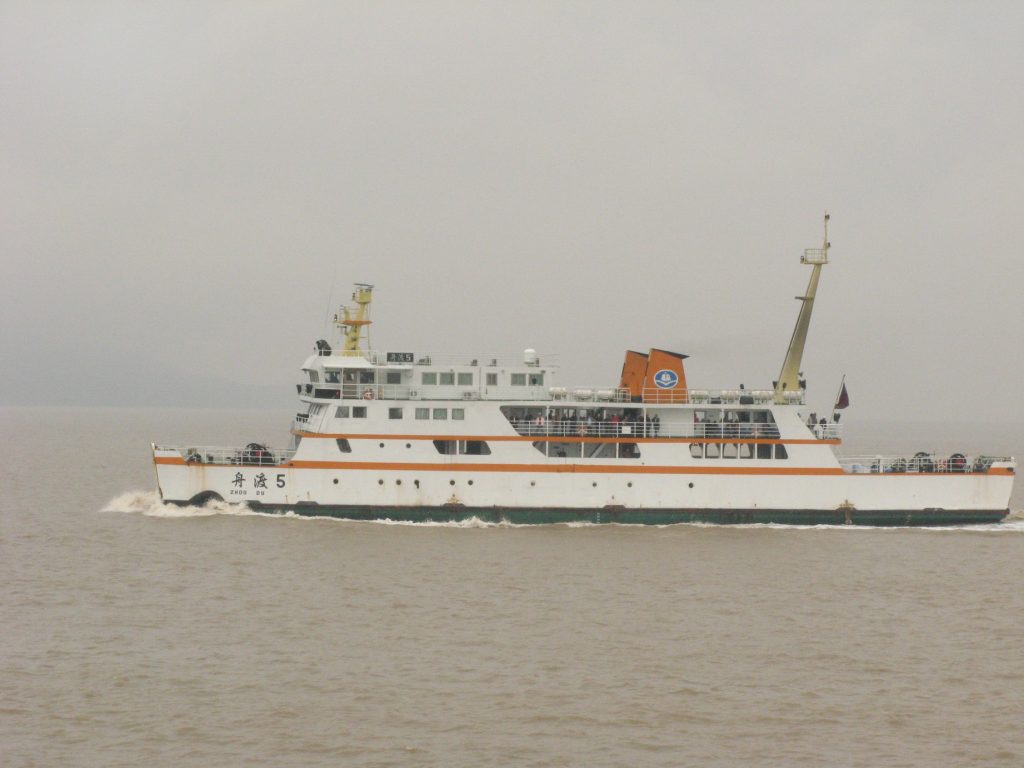
The ferry deck vibrates under your boots as the mainland recedes, the air shifting from exhaust and wet concrete to salt and diesel. Ahead, the islands rise like dark backs against a pale sky — Zhoushan, the archipelago that sits at the mouth of the Yangtze, where the river’s silt meets the East China Sea. You are not just crossing water; you are stepping into a place where the tide dictates the schedule and the menu changes with the wind.
Reading the Islands Before You Land
Zhoushan is not a single dot on the map. It is a constellation of 1,390 islands and thousands of reefs, though only a fraction are inhabited. Zhoushan Island itself — the fourth largest in China — carries the bulk of the population, the port machinery, and the highways that stitch the coast together. Putuo Shan sits to the southeast, its peaks crowned with temples and incense smoke. Daishan and Shengsi lie further out, quieter, their harbors full of trawlers rather than tour buses. The first mistake newcomers make is treating the archipelago as a day trip from Shanghai or Hangzhou. The bridges and ferries move fast, but the rhythm here is tidal. You need at least two nights to see the shift from morning auction to evening stall.
When the Sea Decides the Season
The subtropical monsoon keeps winters mild and summers bearable, but the real calendar is written in fish migrations and festival dates. Late spring brings the hairtail run — silver ribbons flashing in the nets — and the streets smell of brine and frying oil. Mid‑autumn, around the eighth lunar month, the swimming crab hits peak sweetness; families crack shells over paper‑thin pancakes dipped in vinegar‑ginger sauce. Typhoon season stretches from the sixth to the ninth lunar month. Ferries cancel without warning, and the bridge to the mainland closes when winds hit force twelve. Check the marine forecast the night before you plan to move between islands. Locals watch the barometer on their phones like farmers once watched the sky.
Moving Between Docks and Villages
The Zhoushan Trans‑Oceanic Bridge links the main island to Ningbo in twenty minutes by car. Buses run every half hour from Ningbo’s South Station to Dinghai and Shenjiamen, the two main urban centers. Once on the island, public buses reach most coastal towns, but schedules thin out after sunset. Renting an electric scooter — silent, ubiquitous, and limited to 25 km/h — lets you chase the tide to a hidden cove or a cliffside temple without waiting for a connection. For the outer islands, roll‑on ferries leave from Shenjiamen and Banshengdong several times a day. Buy tickets at the window with your passport; the QR code on the receipt is your boarding pass. Arrive thirty minutes early during holiday weekends — the vehicle deck fills with mainland plates.
- Bridge bus: Ningbo South Station → Dinghai / Shenjiamen, 30‑min intervals
- E‑scooter rental: app‑based, deposit via Alipay/WeChat, helmet included
- Outer‑island ferries: Shenjiamen → Shengsi (2 hr), Banshengdong → Daishan (1 hr)
- Typhoon rule: bridge closes at wind force 12; ferries suspend at force 10
Sleeping Where the Tide Reaches
Dinghai’s old town wraps around a harbor where fishing boats tie up beside yachts. Guesthouses in renovated shikumen courtyards open onto lanes that smell of drying squid and frying dough sticks at dawn. Shenjiamen, the working port, has business hotels clustered near the bus station — functional, loud, and close to the 4 a.m. fish auction. For quiet, head to the eastern coast of Zhoushan Island: Dongji, Qushan, or the far end of Putuo. Homestays there are often run by former captains who serve the catch of the day on a plastic table in the courtyard. Book directly through the host’s WeChat; the platforms take a cut and the host may not see the reservation until you stand at the gate.
Eating at the Source
The market in Shenjiamen wakes before light. Tanks bubble with mantis shrimp, mud crabs, and the occasional spotted grouper. You point, they weigh, and a stall across the aisle steams it with scallion, ginger, and a splash of Shaoxing wine — ten minutes later the shell cracks open, meat sweet as chestnut. In Dinghai’s night lanes, look for the carts rolling out iron griddles: oyster omelets folded over chive, clams tossed with fermented black bean, hairtail dusted in cornstarch and fried until the bones turn to lace. Order by weight, not portion. A jin (500 g) of razor clams feeds two with rice. The mistake is asking for a menu; the catch dictates the dish.
- Morning auction: Shenjiamen Fish Market, 4:30 a.m. – 7:00 a.m., best for whole fish
- Steamed hairtail: scallion, ginger, Shaoxing wine, 8 min over high steam
- Oyster omelet: sweet potato starch batter, fresh oysters, egg, chive, chili sauce
- Clams in black bean: fermented douchi, garlic, splash of boiling water, lid on 3 min
- Razor clams: rinse in salt water 20 min, quick blanch, dip in vinegar‑ginger
Temples, Trails, and the Unwritten Rules
Putuo Shan draws pilgrims who climb the 1,088 stone steps to Puji Temple before sunrise, knees pressing into grooves worn by centuries. If you join them, wear shoes with grip — the marble turns slick with mist. Incense is sold in bundles at the gate; three sticks, one for each treasure: Buddha, Dharma, Sangha. Bow once at the threshold, never step on the sill. Photographs inside the main halls are forbidden; the guards watch. On the island’s southern cliffs, the trail to Fayu Temple skirts a sheer drop where wind whips the prayer flags horizontal. Locals leave small offerings — a mandarin, a coin — at the shrines tucked into rock clefts. Do the same. It is not superstition; it is acknowledgment that the sea gives and takes.
What Newcomers Get Wrong
They pack sandals for “beach weather” and freeze when the sea fog rolls in at 4 p.m., dropping the temperature ten degrees in minutes. They book a hotel in Ningbo and try to day‑trip the islands, losing three hours to the bridge queue. They order “spicy crab” expecting Sichuan heat and receive a gentle steam with ginger — the local palate prizes the meat, not the fire. They walk onto a working dock in flip‑flops, slip on algae, and block the crew hauling nets. The fix is simple: bring a windproof layer, stay overnight, taste before you season, and step aside when the boat horn sounds. The islands do not perform for visitors. They simply continue — hauling, steaming, chanting, waiting for the next tide — and let you watch if you move at their pace.