The minibus shudders to a halt on a hairpin bend above the Lingfeng parking lot. Steam rises from a paper cup of tea the driver hands me through the window — ginger, brown sugar, a pinch of salt. Below, the caldera walls catch the last amber of a late‑autumn afternoon, and the sound of a distant waterfall rides the wind. I have come for the night‑light show on Lingfeng Peak, but the mountain has already decided to show me something quieter first.
Getting There Without the Headache
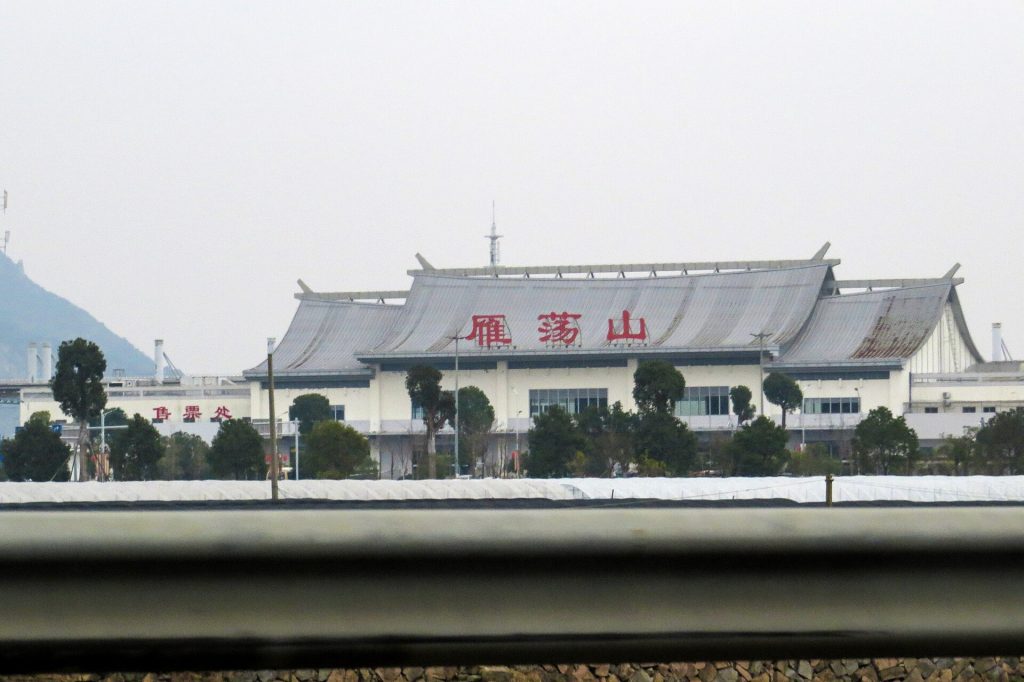
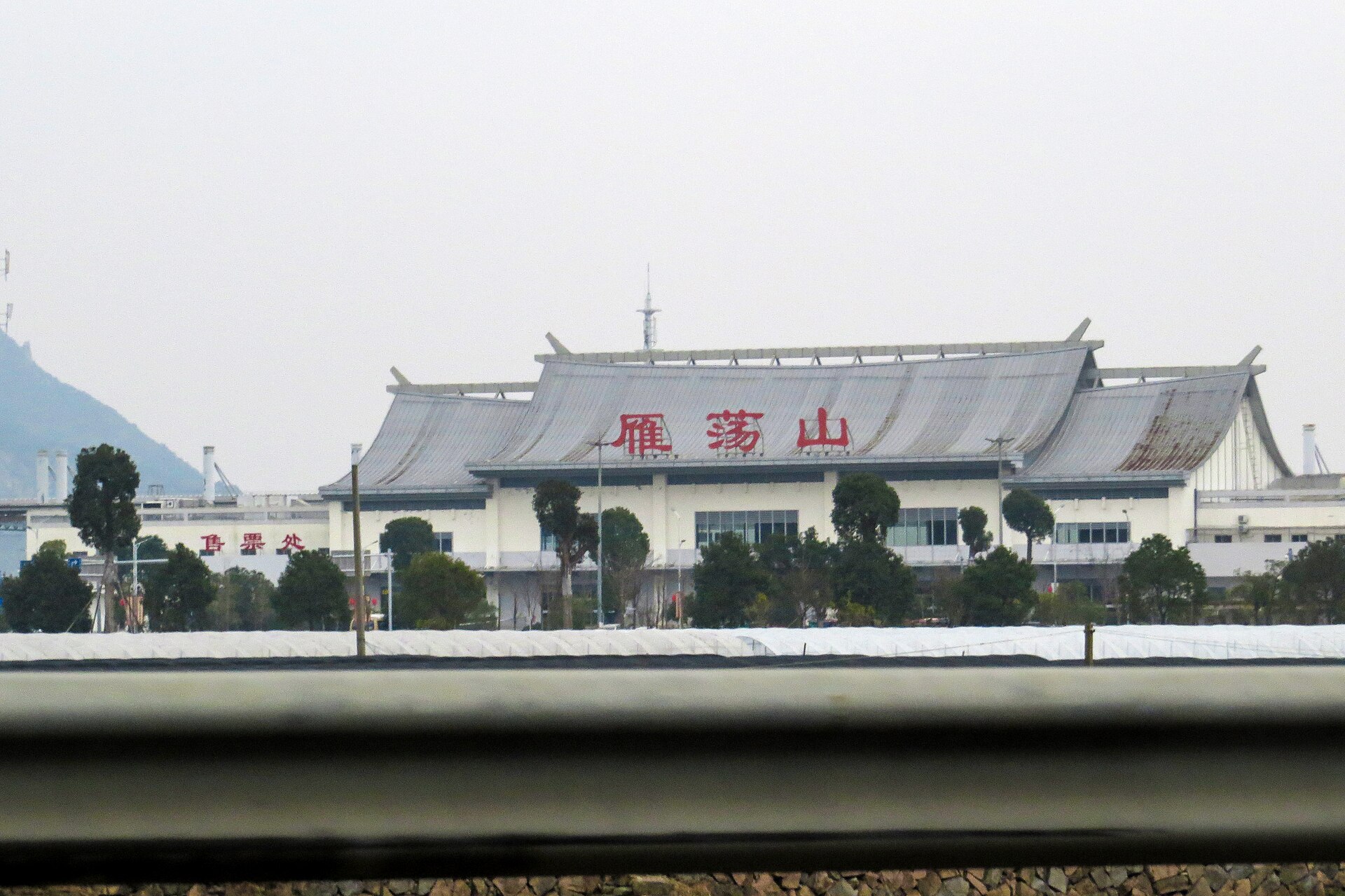
Fly into Wenzhou Longwan International Airport if you are coming from outside the province. The airport express bus runs to Wenzhou South Railway Station in about forty minutes; from there, high‑speed trains to Yandangshan Station take twenty‑five minutes and leave every half hour. A taxi from the station to the main gate of the North Yandang scenic area costs roughly thirty yuan and five minutes. If you are already in Hangzhou, the direct train is two hours flat. Drivers from Shanghai should budget four hours on the G15 expressway — leave before dawn to miss the trucks climbing the mountain passes.
- Airport → Wenzhou South (bus, 40 min) → Yandangshan Station (CRH, 25 min)
- Hangzhou East → Yandangshan Station (direct CRH, 2 hr)
- Shanghai → G15 → S26 → Yandang exit (4 hr, early start advised)
Decoding the Ticket System
The park itself has no gate fee, but each valley — Lingfeng, Lingyan, Dalongqiu, Fangdong, Xianshengmen — sells its own admission. A single ticket covers one entry only; if you leave to eat lunch in the town, you pay again to re‑enter. Night illumination on Lingfeng requires a separate evening ticket sold after 4 p.m. Most valleys take ninety minutes to two hours at a relaxed pace. Buy a combined pass at the visitor center only if you plan to hit three or more zones in one day; otherwise, pay per valley and keep the receipt for the shuttle bus between them.
Where to Sleep: Town vs. Mountain
Yandang town (雁荡镇) sits in the caldera floor, a ten‑minute walk from the Lingfeng gate. Guesthouses here range from tiled‑roof courtyards with shared bathrooms to newer boutique inns with heated floors and mountain‑view balconies. Book a room with a south‑facing window if you want the first light on the cliffs. For a quieter night, climb the stone steps to the Lingyan temple compound — two monastic guesthouses offer simple beds, vegetarian meals, and the sound of the evening bell instead of karaoke from the town square. In the depth of winter, the mountain inns close; the town stays open year‑round.
Trails That Reward the Legs
Start early. The Lingfeng loop — stone stairs, iron ladders, a narrow crack called “One Line Sky” — takes two hours round‑trip and delivers the iconic needle‑peak silhouettes. Lingyan is steeper: the trail climbs behind the temple, threads a cliffside plank road, and ends at a platform where hang‑gliders launch in spring. Dalongqiu is the waterfall valley; the path follows the stream past three cascades, the highest dropping 197 meters. Bring a rain jacket — mist soaks the boardwalk even on clear days. Fangdong is the cave network; a flashlight helps in the deeper chambers where stalactites drip onto Buddha statues. Xianshengmen, the “Gate of Immortals,” is a gentle ridge walk with tea‑house stops every kilometer — ideal for the afternoon when knees protest.
- Lingfeng Loop — 2 hr, ladders, night‑light show
- Lingyan Cliff Path — 2.5 hr, plank road, glider launch view
- Dalongqiu Waterfall Trail — 1.5 hr, three falls, constant mist
- Fangdong Cave Circuit — 1 hr, flashlight needed, cool year‑round
- Xianshengmen Ridge — 3 hr, tea houses, easiest descent
Food on the Mountain and in the Town
Trail snack stalls sell bamboo‑tube rice stuffed with cured pork, shiitake, and glutinous millet — eat it hot from the tube, peeling the charred bamboo like a banana. In town, order the “Three Treasures of Yandang”: braised bamboo shoots with fermented bean curd, stir‑fried wild fern shoots with garlic, and a clear soup of mountain yam and goji berries. The local yellow rice wine, low in alcohol and sweet as melon, arrives in clay jars. Avoid the tourist‑menu “Buddha Jumps Over the Wall” — it’s a frozen import reheated in a microwave. Instead, ask the innkeeper to steam a whole river fish with ginger, scallion, and a splash of that yellow wine; the skin turns glossy, the flesh flakes white.
- Bamboo‑tube rice — cured pork, shiitake, glutinous millet
- Braised bamboo shoots — fermented bean curd, soy, rock sugar
- Stir‑fried wild fern — garlic, chili oil, pinch of salt
- Mountain yam & goji soup — slow‑simmered, clear broth
- Steamed river fish — ginger, scallion, yellow rice wine
What Locals Expect and Where Newcomers Stumble
Villagers on the mountain paths greet you with “慢走” — walk slowly — not as a slogan but as genuine advice; the stone steps are slick with moss after rain. Temple monks appreciate a slight bow and quiet feet; flash photography inside halls earns a sharp “阿弥陀佛” and a gesture toward the door. Shuttle buses between valleys run every twenty minutes but stop at sunset; miss the last one and you either hike the connecting ridge in the dark or pay a private minibus triple the fare. Carry cash — many ticket booths and food stalls still don’t scan QR codes. And never assume the night‑light show runs every evening; it pauses during the rainy season and on major festival eves when the town hosts its own lantern parade. Check the notice board at the visitor center the morning you arrive.
By the time the minibus climbs back toward the station, the peaks have swallowed the last light. My calves ache, my pack smells of pine resin and bamboo smoke, and the driver refills my tea cup without a word. The mountain doesn’t hand you a checklist; it hands you a rhythm. Match it, and you leave with more than photos.