The minibus shudders to a halt on a side street where the smell of charcoal smoke mixes with the sharp scent of fermented soybean paste. A grandmother in a floral apron waves from the doorway of a tea house, steam curling from a brass kettle. Neon signs in hangul and Chinese characters flicker on as the winter dusk settles over the Tumen River valley. This is Yanji: a city where the rhythm of daily life moves to a bilingual beat, and the coffee is as strong as the baijiu.
Getting There and Moving Around
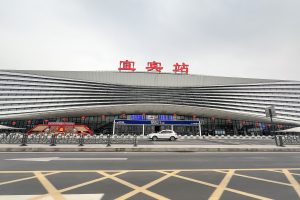
Yanji Chaoyangchuan Airport sits about ten kilometers west of the center. Flights connect daily with Seoul, Shenyang, Beijing, and Shanghai; the Seoul route is popular enough that you hear Korean announcements before the plane even taxis. A taxi from the terminal to the train station area costs roughly thirty to forty yuan and takes twenty minutes. The high‑speed rail station, Yanji West, links to Changchun in under three hours and to Harbin in four. Inside the city, the bus network is dense and cheap—most routes cost one or two yuan—but the stops are announced only in Mandarin and Korean. If you cannot read hangul, download an offline map and match the Korean name on the sign to the one on your screen. Ride‑hailing apps work, yet drivers often call to confirm the pickup spot in Korean; a simple “wǒ zài…” followed by a nearby landmark usually solves it.
Neighborhoods Worth Walking
Start at the People’s Park square early, when retirees practice sword forms beside a frozen fountain. From there, head north along Culture Road: bookstores double as cafés, and the smell of fresh‑ground beans competes with the sweet steam of rice‑cake stalls. Turn left onto Jiefang Road for the market cluster—rows of plastic tubs holding kimchi, pickled garlic stems, and jars of gochujang that have been fermenting since autumn. The river promenade west of the station is quiet after sunset; couples share thermoses of citron tea while the bridge lights paint the ice in electric blues. If you want a glimpse of the old prefecture government compound, walk the alley behind the department store where brick walls still bear faded Korean slogans from the 1980s.
Eating: What Hits the Table
Meals arrive fast and loud. A metal tray clatters down: a stone bowl of bibimbap hissing with sesame oil, a lattice of grilled pork belly glistening with chili glaze, a mound of cold buckwheat noodles slick with vinegar and pear slices, and a parade of banchan—spicy radish cubes, seasoned spinach, anchovy stir‑fry, and the inevitable kimchi, each batch tasting slightly different depending on which grandmother jarred it. The broth for the noodle soup is clear, beef‑based, and simmered with dried kelp and shiitake until it tastes like concentrated winter. You eat with stainless‑steel chopsticks and a long spoon; the bowl stays on the table, you lift the spoon.
- Stone‑bowl bibimbap: cooked rice, julienned carrot, zucchini, bean sprouts, bracken fern, fried egg, gochujang, sesame oil.
- Cold buckwheat noodles (naengmyeon): buckwheat noodles, beef broth ice cubes, pear, cucumber, boiled egg, mustard, vinegar.
- Grilled pork belly (samgyeopsal): thick pork belly slices, garlic cloves, green chili, ssamjang, perilla leaves, kimchi.
- Banchan basics: napa cabbage kimchi, radish cube kimchi, seasoned spinach, stir‑fried anchovies, pickled garlic stems.
Home method for the stone bowl: heat a stone or cast‑iron bowl over medium flame until a drop of water dances. Swirl a spoonful of sesame oil, press in day‑old rice to form a crust. Pile vegetables in neat wedges, crown with a raw yolk. At the table, scoop gochujang on top, mix violently with the spoon until the crust cracks and the yolk emulsifies. Eat straight from the bowl while the bottom layer crackles.
In a restaurant, point to the picture menu and say “yī fèn zhè ge” for one portion. Ask for “bú yào là” if you want less heat, though the kitchen may still send a fiery kimchi. Order a bottle of chilled makgeolli or a shot of jinro soju; the latter arrives in a green bottle with a twist cap. Do not pour your own glass—fill your neighbor’s, they fill yours. A common beginner mistake: mixing the bibimbap before the server brings the gochujang, or drinking the noodle broth before tasting the vinegar‑mustard balance. Another: ordering a single portion of samgyeopsal for one person; the grill is built for sharing, and the staff will look confused.
Café Culture and Tea Houses
Yanji’s café density rivals neighborhoods in Seoul. On any given block you’ll find a minimalist space pulling single‑origin Yunnan beans through a V60, next to a pink‑walled bakery selling red‑bean cream buns. The local habit: order an iced Americano even when the temperature hovers at minus fifteen, then nurse it for two hours while editing videos or studying Korean vocabulary. Tea houses (茶坐) operate differently. You pay a flat fee—usually twenty to thirty yuan—for a pot of pu‑er or chrysanthemum and a plate of dried persimmon slices. The server refills hot water without asking. Stay as long as you like; the unspoken rule is you leave when the pot runs cold. Newcomers often try to tip; the staff will chase you down the street to return the change.
Language, Etiquette, and the Unwritten Rules
Street signs, bus screens, and menus run dual script. Mandarin works everywhere, but a few Korean phrases earn smiles: “annyeonghaseyo” for hello, “gamsahamnida” for thank you, “mianhamnida” for excuse me. When handing money or a business card, use two hands. At a shared grill, the youngest person tends the meat; the eldest gets the first wrapped perilla leaf. If you are invited to a home, bring fruit or a box of Korean‑style cookies—never a clock, never white flowers. Shoes come off at the threshold; slippers wait in a neat row. A frequent faux pas: sticking chopsticks upright in a rice bowl. That gesture belongs to ancestral rites. Lay them across the spoon rest instead.
Seasonal Rhythms and Day Trips
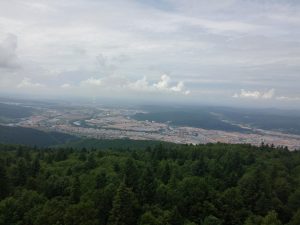
Winter turns the river into a highway for ice‑fishing tents and sled dogs. The lantern festival in the first lunar month drapes the park in red paper globes; locals write wishes on the frames and release them into the night sky. Spring brings the azalea bloom on Mao’er Mountain—take the cable car up, hike the ridge, then descend for a bowl of wild‑fern bibimbap at a farmhouse near the trailhead. Summer is festival season: the Korean Folk Culture Festival fills the stadium with mask dances, drum circles, and a market selling hand‑stitched hanbok. Autumn paints the rice paddies gold; rent an e‑bike and follow the irrigation canals to the border town of Tumen, where you can stand on the broken bridge and look across the water at North Korean guard posts. The ride back at golden hour, wind carrying the scent of roasted corn from roadside vendors, is the moment the city stops feeling like a stopover and starts feeling like a place you could stay.