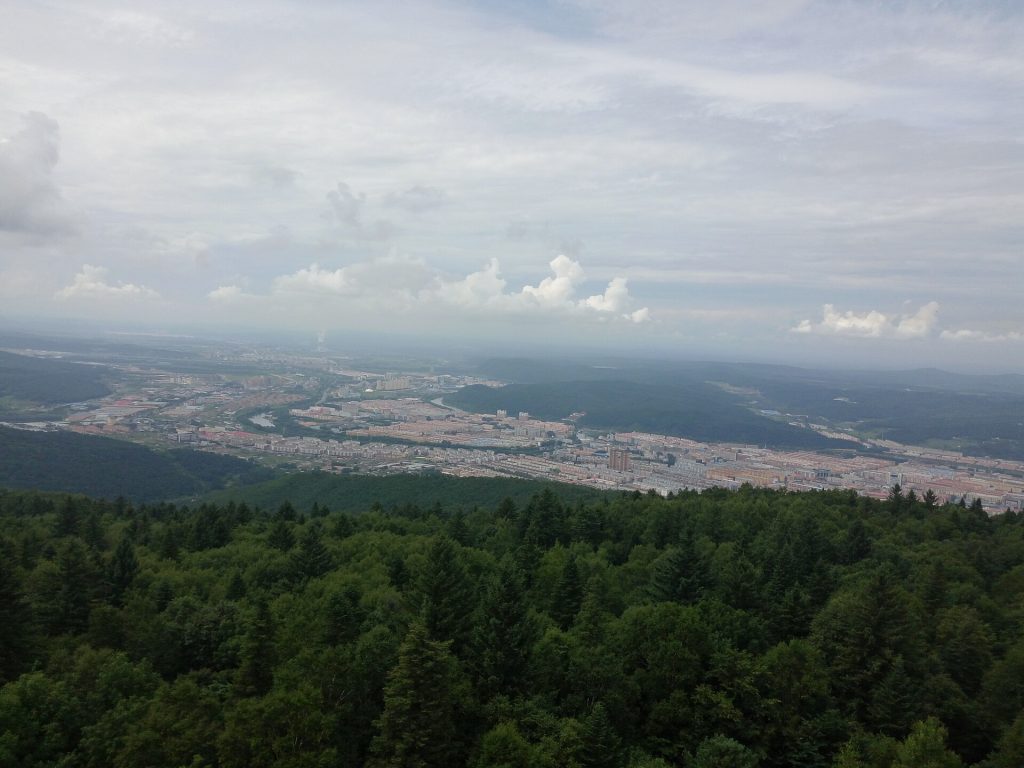
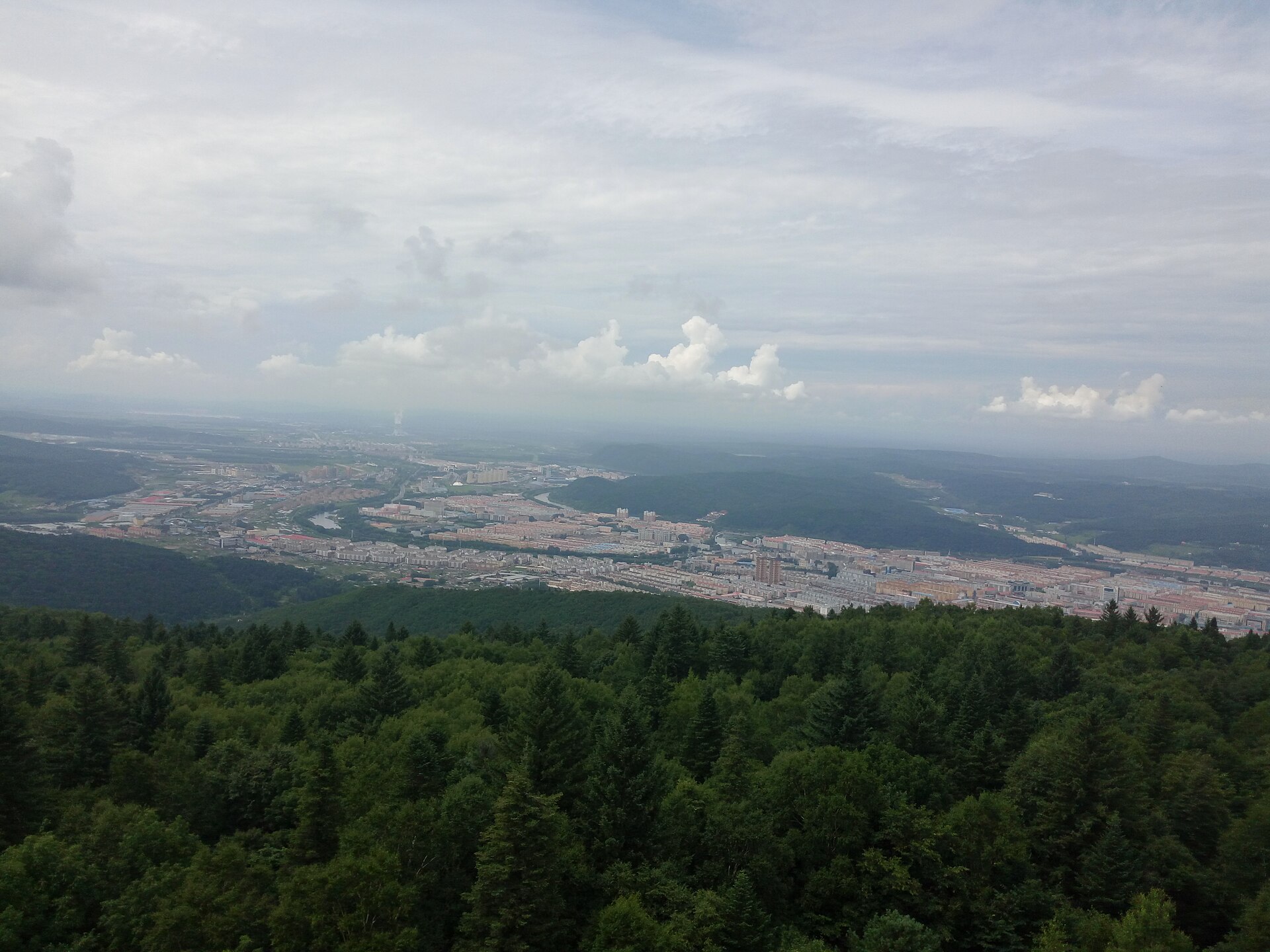
The minibus shuddered to a halt on a gravel spur off the G111, engine ticking as it cooled. Through the open door came air that smelled of pine sap, wet moss, and cold river water — no exhaust, no fried oil, no city dust. Ahead, the canopy closed overhead like a green roof stitched from Korean pine and larch, and somewhere deeper in the woods a black woodpecker hammered a hollow trunk. This is Yichun in late autumn, when the maples have already burned red and dropped, leaving the evergreens to hold the light.
Getting There Without Losing a Day
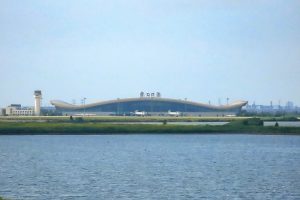
Most travelers fly into Harbin Taiping International Airport, then choose between a 45-minute connecting flight to Yichun Lindu Airport or a five-hour ride on the high-speed rail that slices northeast across the Songnen Plain. The train is the better option if you want to watch the landscape shift from soybean fields to rolling hills cloaked in dark green. Trains leave Harbin West several times daily; second-class seats cost roughly the same as a long-distance bus but arrive fresher. If you are already in the region — say, Mohe or Heihe — overnight sleepers run on the older conventional line, slower but cheaper.
From Lindu Airport, a licensed taxi to Yimei District takes 25 minutes and costs about 60 yuan; ride-hailing apps work but drivers sometimes cancel short runs. The high-speed station sits on the eastern edge of the city; city buses 1, 3, and 11 connect to the main hotel cluster near People’s Park. Renting a car makes sense only if you plan to chase forest parks beyond the suburban districts — parking in the center is tight and winter roads demand experience.
Where to Sleep: Forest Edge or City Core
Yimei District holds the bulk of chain hotels — Home Inn, Jinjiang, a few four-star options near the municipal government complex. Rooms are clean, heating is reliable, and breakfast usually includes steamed corn buns and pickled vegetables. For something quieter, look at the guesthouses inside Wuying National Forest Park, about 20 kilometers south. These are wooden cabins with kang (heated brick beds) and private courtyards where you can hear roe deer bark at dusk. Book through the park’s official WeChat account; English support is limited, so have a Chinese friend help or use a translation app for the deposit step.
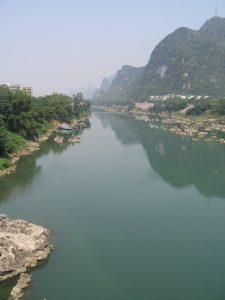
In Jiayin County, family-run inns line the river road facing the Heilongjiang. They are basic — shared bathrooms, thin walls — but the owners will wake you at 5 a.m. to watch mist rise off the water and point out the Russian bank lights flickering across the channel. Tieli City has fewer choices; most visitors day-trip from Yimei and return by evening.
Forest Parks: What You Actually Do There
Wuying is the flagship. The main loop road is paved and shuttle buses run every 20 minutes in peak season, but the real reward comes from stepping off at the “Three Ponds” stop and hiking the 3.2-kilometer boardwalk that threads through a stand of 300-year-old Korean pine. The trees stand straight as ship masts, bark plated in reddish scales, and the forest floor is a cushion of feather moss and blueberry shrubs. In winter the boardwalk becomes a cross-country ski track; equipment rents for 40 yuan per half day at the visitor center.
Riyuexia National Park, inside Tieli, is steeper and less developed. A single gravel road climbs to a ridge where a viewing platform frames the “Sun-Moon Gorge” — two parallel valleys that catch sunrise and sunset on opposite slopes. The hike from the gate to the platform takes 90 minutes uphill; bring water and a wind layer. There are no toilets past the entrance kiosk. Local hikers sometimes camp at a cleared meadow halfway up, but open fires are strictly forbidden and rangers patrol at night.
Tangwang River National Park, north of Yimei, is famous for its “stone forest” — basalt columns fractured into geometric pillars by ancient lava cooling. A wooden stairway descends into the canyon where the river runs tea-colored over black rock. In midsummer the pools are cold enough to numb feet in seconds; locals still swim, but foreigners usually stick to the viewing platforms. The park also runs a night walk in July and August: guides hand out UV flashlights that make scorpions and certain fungi glow green along the trail.
Jiayin: Dinosaurs and a River Border
Jiayin County sits at the end of a two-lane road that hugs the Heilongjiang for the last 40 kilometers. The Jiayin Dinosaur National Geopark museum sits on a bluff above the excavation site where the first hadrosaur fossils were unearthed in the early 20th century. The exhibition hall is modest — reconstructed skeletons, a few interactive screens — but the real draw is the open-air dig pit where you can watch technicians brush sediment from a femur the size of a park bench. Guided tours run hourly; the guide will explain how the region’s wetland burial preserved skin impressions, a rarity worldwide.
After the museum, walk down to the riverbank promenade. A low fence separates the Chinese side from the Russian shore, close enough to read the Cyrillic sign on the customs post opposite. Vendors sell grilled sausages on sticks and plastic bags of roasted pine nuts. In the evening, square-dancing groups gather near the flood-control monument, music echoing off the water. If you stay overnight, ask your innkeeper about the “border tea” — a strong black brew with dried ginger and goji berries — served in a thermos while you watch the patrol boats sweep searchlights across the current.
Seasonal Rhythms and What to Pack
Spring arrives late. In the fourth lunar month, snow still lingers in shaded gullies, but the first shoots of schisandra vine and Siberian ginseng push through the duff. This is the season for foraging tours — local guides lead small groups to harvest wild vegetables for the night’s hot pot. Summer is short and warm, days stretching past 9 p.m.; mosquitoes hatch in clouds near standing water, so bring a head net and DEET. Autumn, the ninth lunar month, paints the broadleaf stands gold and crimson while the pines hold dark green — the best photography light, and the busiest week for domestic tourists. Winter, from the eleventh lunar month through the second, drops to minus 30 Celsius. Roads ice over; the high-speed rail still runs but local buses cut schedules. If you come then, pack a down suit rated for polar use, insulated boots with removable liners, and a face mask that doesn’t fog glasses.
Common Missteps
- Assuming English signage exists beyond the main city museums. Carry offline maps (Amap or Baidu Maps downloaded) and screenshots of your destination in Chinese characters.
- Treating forest parks like city parks — straying off boardwalks damages fragile moss layers that take decades to recover. Rangers issue on-the-spot fines.
- Expecting credit cards at rural guesthouses or park ticket windows. Cash (small denominations) and WeChat/Alipay QR codes are the only reliable payment methods.
- Skipping the kang experience because it looks hard. Sleeping on a heated brick platform under a heavy quilt is the warmest night you’ll get in the north; just remember to drink water before bed — the dry heat dehydrates fast.
- Photographing border guard posts or military installations along the Heilongjiang. Signs are posted but easy to miss in the reeds. Keep the camera pointed at scenery, not uniformed personnel.
The minibus driver honked once, a short blast that scattered a flock of nutcrackers from a larch top. We rolled back onto the G111, the forest thinning behind us into birch stands and then open fields. In the rearview mirror the dark green wall stayed upright, unbroken, waiting for the next traveler willing to step off the pavement and listen.