The night ferry from Lingling dock slides away just as the last street lamps flicker on. Mist clings to the Xiang River, turning the water into something that looks like ink brushed on wet paper. A vendor on the bank is still calling out for late passengers, his voice bouncing off the limestone cliffs that guard the southern approach. I stood there with a backpack and a paper map that had already dissolved at the edges, watching the city lights stretch into a long, trembling line. That arrival — quiet, damp, smelling of river mud and fried dough — set the tone for every day that followed in Yongzhou.
Getting oriented in the river city
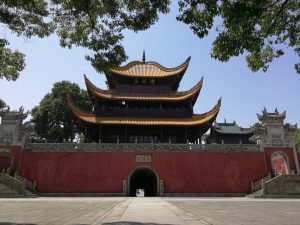
Yongzhou spreads along the southern bank of the Xiang, with the old Lingling district curled around a peninsula and the newer administrative center pushing west toward the expressway. Most travelers land at the high‑speed rail station on the outskirts, then take a twenty‑minute taxi into the historic core. Buses numbered 1, 9, and 18 connect the station to the ancient city wall gates, but the real orientation happens on foot. Start at the Wenchang Pavilion, where the stone steps wear smooth from centuries of scholars climbing to burn incense before exams. From there the grid unwinds: narrow lanes lined with tiled roofs, a canal that still carries laundry boats at dawn, and the constant hum of mahjong tiles clicking in tea houses that never seem to close.
Where to sleep: courtyard lanes versus riverside towers
If you want the sound of water against stone, book a room in one of the renovated courtyard guesthouses inside the old city. The better ones keep the original gray bricks and wooden lattice windows but add heated floors and reliable Wi‑Fi. Ask for a courtyard‑facing bed; the morning light filters through the ginkgo tree and wakes you without an alarm. For a higher budget, the riverside hotels near the Xiangjiang Bridge offer floor‑to‑ceiling windows and a view of the ferry lights tracing arcs across the current. Mid‑range chains cluster around the high‑speed rail station — convenient for early departures, but you lose the scent of osmanthus and the sound of the night watchman’s gong.
Three days on the ground
Day one belongs to the Lingling Ancient City. Walk the full length of the restored wall at sunrise; the ramparts give you a panorama of tiled roofs pierced by the spire of the Confucian Temple. Spend the mid‑morning in the Liu Zongyuan Memorial Hall, where the Tang dynasty poet‑exile wrote his most biting essays. Lunch at a stall behind the temple: rice noodles in beef broth, topped with pickled long beans and a spoonful of chili oil that sings. Afternoon heat drives you into the shaded corridors of the Calligraphy Garden, where locals practice brush strokes on water‑worn stones. Evening returns to the river — grab a plastic stool at a barbecue stand, order skewers of river fish and lotus root, and watch the ferry lights paint the water.
Day two heads south to Jiangyong County, the home of Nüshu. The bus ride takes two hours through karst valleys that turn the window into a scrolling landscape painting. In Puwei Village, an elderly woman named Mrs. He still teaches the script to curious visitors. She writes on a folded fan, each character a slender thread of meaning passed from mother to daughter. Stay for a home‑cooked dinner: steamed glutinous rice with cured pork, bitter melon stuffed with minced shrimp, and a bowl of sour bamboo shoot soup that clears the palate. Sleep in the village guesthouse — thin walls, shared bathroom, but the host wakes you with fresh tea and a plate of fried rice cakes before the rooster crows.
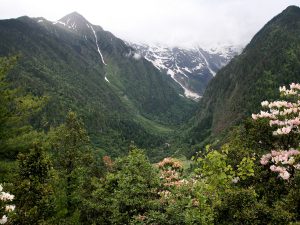
Day three is for water. Hire a driver for the forty‑minute run to the Xiao River source at Shunhuang Mountain. The road climbs through bamboo forests that filter the light into green needles. At the trailhead, a stone arch marks the start of a two‑hour hike to a waterfall that drops into a natural pool. The water is cold enough to steal your breath, but locals swim year‑round, claiming it cures rheumatism. Pack a simple picnic — steamed buns, salted peanuts, a thermos of chrysanthemum tea — and eat on a flat rock while the spray dots your skin. Return to the city by dusk, just in time for a final bowl of Yongzhou rice noodles before the night train.
Eating like a local: what lands on the table
Yongzhou cuisine leans sour, spicy, and smoked. The signature dish is blood duck — duck blood curd simmered with ginger, garlic, fermented chili, and a splash of rice wine until the broth turns a deep, glossy red. It arrives in a clay pot still bubbling, the scent sharp and earthy. Another staple is stir‑fried river snails with perilla leaves; you suck the meat through the shell’s narrow opening, a messy but necessary ritual. For breakfast, hunt down a stall selling rice noodle rolls brushed with soy sauce, chili oil, and a tangle of pickled mustard greens. The texture should be silky, the heat immediate but not lingering.
- Blood duck: duck blood curd, ginger, garlic, fermented chili bean paste, rice wine, scallions.
- River snails with perilla: fresh snails, perilla leaves, dried chili, garlic, soy sauce, a pinch of sugar.
- Breakfast rice noodle rolls: rice batter, soy sauce, chili oil, pickled mustard greens, fried shallots.
Home method for blood duck: blanch the blood curd in boiling water for ten seconds, drain. Heat oil in a clay pot, fry ginger and garlic until golden, stir in fermented chili paste until the oil turns red. Add water, bring to a boil, drop in the blood curd, simmer fifteen minutes. Finish with a splash of rice wine and a handful of scallions. Serve straight from the pot with steamed rice.
In a restaurant, point to the menu photo of the clay pot and say “ya xue” — the staff will know. Order a side of cold cucumber salad smashed with garlic to cut the richness. Common beginner mistake: asking for “less spicy.” The kitchen interprets that as “no chili,” which strips the dish of its backbone. Instead, ask for “lao la” — old chili — which means the fermented paste that gives depth without raw fire.
Culture you live, not just watch
Nüshu is not a performance. In Jiangyong, women still gather on the third day of the third lunar month to sing “third‑day songs” in the script, stitching fans and handkerchiefs as they chant. If you are invited, sit quietly, accept the tea, and do not pull out a phone to record. The songs carry family histories, marriage laments, and advice for daughters. A newcomer who treats it as folklore misses the weight — these women are preserving a language that survived because men never learned it. Respect means listening longer than you speak.
Temple fairs in Lingling follow the lunar calendar, not the Gregorian one. The biggest falls on the birthday of the City God, usually the twelfth day of the fifth lunar month. Streets close to traffic; paper lanterns hang from every eave. Locals burn incense in brass censers, then share roasted sweet potatoes and sugar‑cane juice. If you join the queue at the main shrine, bow three times, whisper a wish for safe travel, and drop a coin in the box. Do not step on the threshold — step over it. That small gesture tells the elders you know the rhythm.
Pitfalls that catch first‑timers
Assuming English works beyond the high‑speed rail station. Even hotel clerks in the old city may only have a translation app. Carry a printed card with your destination written in Chinese characters. Another trap: buying “ancient city” souvenirs from the stalls near the south gate — most are mass‑produced in Yiwu. The real crafts are in the back alleys: a woman carving bamboo slips for Nüshu practice, a man firing small clay teapots in a wood kiln. Pay cash, ask for the maker’s name, and you’ll leave with something that holds a story.
Finally, don’t try to “do” Yongzhou in a day trip from Changsha. The city reveals itself in the pause between ferry rides, in the steam rising from a noodle bowl at midnight, in the way an old man folds his fan and tucks it into his sleeve before answering a question. Stay long enough for the mist to clear. That’s when the limestone cliffs show their true color — pale gold, like old paper — and the river stops looking like ink and starts looking like home.