
The minibus shudders to a halt beside a steaming kettle of tea eggs at the village crossroads. Mist clings to the limestone pillars rising from the Nine‑Bend River, and the air smells of wet bamboo and roasted oolong. A farmer in a straw hat waves me toward a narrow footpath that disappears into the forest — this is how a day in Wuyishan begins, not at a ticket gate but on a dirt track where the mountains decide the pace.
Getting There Without the Hassle
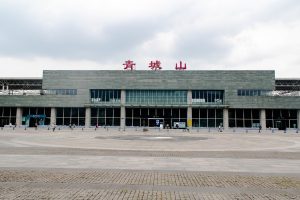
High‑speed rail is the easiest entry point. Wuyishan North Station sits about twenty minutes by taxi from the scenic area’s main entrance, and trains connect directly with Xiamen, Fuzhou, Shanghai, and even Beijing. If you arrive on an early‑morning service, you can be on a raft before lunch. For a slower arrival, overnight sleepers from Guangzhou or Chengdu drop you at the older Wuyishan East Station, closer to the tea villages but farther from the canyon. Buses from Nanping city run frequently and cost a fraction of a cab; just tell the driver “Dafang” or “Xingcun” if you’re heading straight for the tea terraces.
- Book high‑speed tickets on the 12306 app at least three days ahead during holiday weeks.
- From North Station, take a green‑painted public bus (route 6 or 9) to the scenic gate — ¥2, twenty minutes.
- If you land at Xiamen Gaoqi Airport, a direct shuttle van runs twice daily to the park; reserve a seat through your guesthouse.
Choosing a Base: Riverside Resort or Tea‑Village Homestay
Staying inside the scenic zone means waking up to the sound of the river, but rooms fill fast and prices climb on weekends. I prefer a courtyard house in Xingcun Village, ten minutes by motorbike from the raft dock. The host roasts his own rock tea over charcoal, and the courtyard well yields water sweet enough to drink straight. If you want hot showers and reliable Wi‑Fi after a day on the trails, the cluster of boutique inns near the south gate delivers both, plus shuttle vans to the main trailheads.
- Ask the host for a “tea‑tasting breakfast” — steamed buns, pickled bamboo shoots, and three infusions of yancha.
- Confirm parking if you rent a car; the scenic area limits private vehicles during peak season.
- Carry cash for village stays; mobile pay works in town but signal drops in the valleys.
Hiking the Pillars: From Gentle Loops to Knife‑Edge Ridges
The signature walk is the Nine‑Bend Stream trail, a boardwalk that hugs the river for five kilometers. It’s flat, shaded, and dotted with pavilions where elders play xiangqi. For elevation, climb Tianyou Peak before dawn — three hundred stone steps, a rope‑assisted chimney, then a narrow ridge with sheer drops on both sides. The sunrise paints the danxia cliffs amber, and you’ll share the summit with maybe a dozen photographers. Avoid the “Sky Ladder” shortcut after rain; the basalt turns slick as glass and the rescue team knows every careless hiker by name.
- Wear closed‑toe shoes with grippy soles; sandals end up in the lost‑and‑found bin at the visitor center.
- Pack a liter of water, a peanut‑sesame bar, and a lightweight rain shell — weather shifts in minutes.
- Start the Tianyou ascent by 4:30 am in summer, 5:30 am in autumn; the gate locks at 6 pm sharp.
Bamboo Rafting the Nine Bends: What the Boatman Won’t Tell You
Each raft holds six passengers plus a pole‑man who sings Minnan ballads while steering through rapids named “Dragon’s Mouth” and “Phoenix Tail.” The ride lasts ninety minutes and covers the most photogenic stretches. Sit on the left side heading downstream for the best view of the hanging coffins tucked into cliff crevices — relics of the ancient Yue people. The pole‑man expects a tip of ¥20‑50 if he points out every heron nest and tea terrace; hand it over quietly when you disembark. Morning departures (8 am‑10 am) catch softer light and fewer tour groups.
- Buy tickets at the raft dock, not from street touts; the official booth prints a QR code on the receipt.
- Bring a dry bag for phones — splash is guaranteed at the third bend.
- If you prone to motion sickness, take the front seat and stare at the horizon, not the water.
Tea Villages: Where the Real Wuyi Yancha Lives
Drive twenty minutes up a winding lane past the scenic boundary and the crowds vanish. In villages like Wuyuanjian and Shangmei, every household dries maocha on bamboo mats behind the front door. Walk into a courtyard unannounced at 3 pm — the second roast is finishing — and the farmer will pour you a gaiwan of rougui without asking for money. Taste for the “rock rhyme” (yan yun): a mineral linger that coats the throat, not just a floral top note. Buy loose leaf by the jin (500 g) directly from the roaster; vacuum‑sealed tins in town shops cost triple and often blend lower‑grade leaf.
- Look for leaves twisted tight like iron wire, dark charcoal with a faint amber edge.
- Ask the roaster for the “fire date” — tea roasted within the last lunar month tastes brightest.
- Carry a small cloth bag for samples; plastic traps moisture and kills aroma.
Common Missteps and How to Dodge Them
First‑timers often spend the whole day queuing for the cable car to Tiger Roaring Peak, then realize they missed the river entirely. Skip the gondola unless mobility is an issue; the hiking trails deliver better views for zero wait. Another trap: buying “wild monkey‑picked tea” from roadside stalls — monkeys don’t harvest tea, and the leaves are usually low‑grade green tea sprayed with artificial fragrance. Finally, don’t wander off marked paths after dusk. The forest holds bamboo vipers and the occasional pit viper; locals wear high rubber boots for a reason. Stick to the boardwalks, listen for the pole‑man’s song drifting up the canyon, and let the mountain set the schedule.
- Download the offline park map (PDF) before arrival; cell service dies in the gorges.
- Carry a headlamp, not just a phone flashlight, for early summit starts.
- Respect the “no drone” signs — rangers confiscate on the spot.