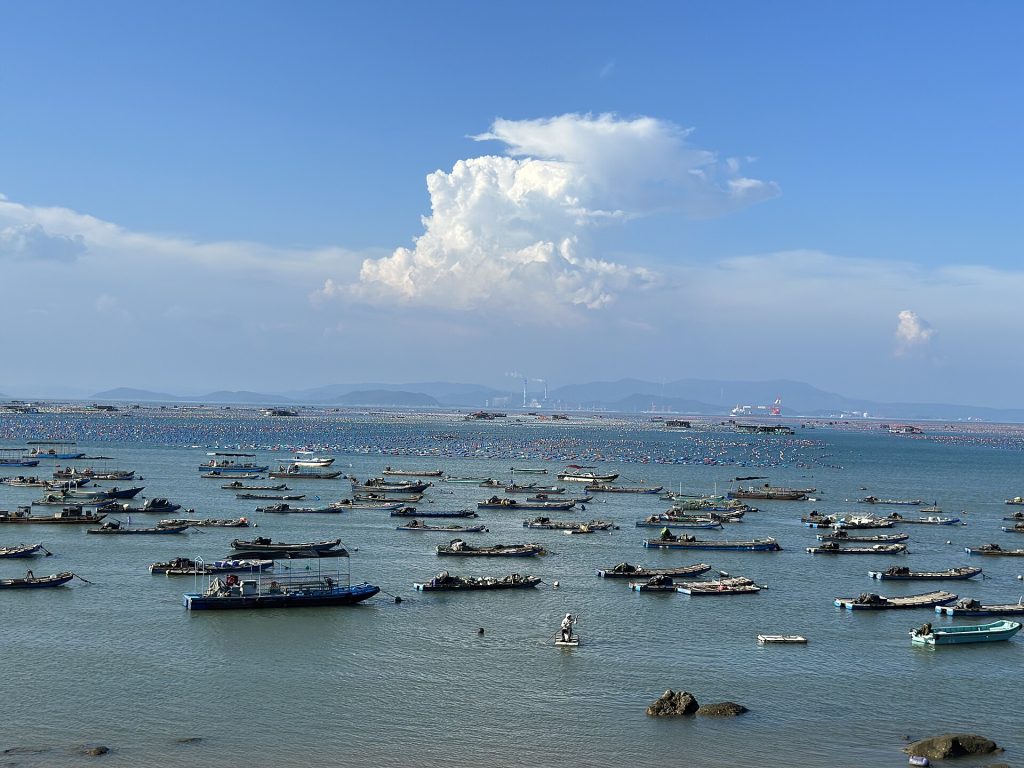
The minibus shudders as it climbs the bridge, the Pearl River Delta falling away behind us. Below, the water shifts from opaque brown to a startling, translucent green. By the time the tires hit the island asphalt, the air smells of salt, diesel, and something sweet frying in a wok. This is Nan’ao, Guangdong’s only inhabited island county, reachable now by a single span of road but still feeling like a distinct, salt-crusted world.
Getting There: The Bridge and the Boat
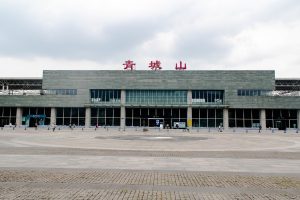
Most travelers arrive via Shantou. The high-speed rail station sits about forty minutes by taxi from the Nan’ao Bridge toll plaza. From there, public buses (the K1 route) rumble across the 11-kilometer span every twenty minutes or so, terminating at Houzhai Town. If you are carrying surfboards or heavy luggage, a shared van from the station forecourt is faster; drivers wait until they have seven passengers, then gun it across the bridge. In the autumn typhoon season, high winds occasionally close the bridge to high-sided vehicles. When that happens, the old ferry terminal at Laiwu whirrs back to life. The boat takes forty minutes and deposits you at Shen’ao port, a sleepy cove on the island’s western flank. Check the Shantou transport WeChat account the night before; the status flips without warning.
Wheels on the Ring Road
The island loops on a single two-lane highway, the G228. Renting an electric scooter is the default move. Shops cluster near the Houzhai bus station; a day costs roughly the price of a decent lunch. Bring your passport—shops photograph the photo page—and inspect the battery gauge before you sign. A full charge covers the full circumference with juice to spare, provided you don’t climb the lighthouse hill repeatedly. Cars can be hired in Shantou and driven across, but parking at Qing’ao Bay on a weekend holiday requires the patience of a monk. The ring road hugs cliffs, dives through tunnels, and passes wind turbines spinning lazily on ridgelines. Pull-offs are marked with brown signs pointing to “Geopark” or “Beach.” Stop at the ones without tour buses.
Qing’ao Bay: Sunrise and Surf
The crescent of Qing’ao faces due east. In the dark before dawn, headlamps bob along the sand as photographers stake out tripods. The sky bruises purple, then orange, then a thin white line ignites on the horizon. By 7 a.m., the light is harsh and the magic lifts. This is also the island’s most consistent surf break. Summer swells push waist-high peelers; winter nor’easters can jack it up overhead. Board rentals sit under a blue tarp near the lifeguard tower—fiberglass longboards, waxed and ready. The rip current near the northern headland is no joke. Lifeguards whistle swimmers back from the rocks daily. If you don’t surf, walk the tide pools at the southern end. Hermit crabs scuttle over anemones, and old men probe the sand for razor clams with wire hooks.
Seafood: From Tank to Table
Houzhai’s backstreets hold the real kitchens. Skip the neon-lit restaurants facing the main drag. Duck into the alley behind the wet market where plastic tanks bubble with oxygen. You point, they weigh, you negotiate. The cooking style is ruthless simplicity: garlic, ginger, scallion, soy, blast-fried or steamed.
- Steamed grouper: slashed diagonally, topped with julienned ginger and fermented black bean, hit with smoking oil at the end.
- Mantis shrimp: split and quick-fried with chili salt, shells cracking like popcorn.
- Blood cockles: blanched ten seconds, dipped in vinegar-garlic sauce, swallowed whole.
- Squid: scored in a crosshatch, stir-fried with celery and pickled chili until the edges curl.
Order a bowl of congee to stretch the meal. The rice breaks down into a white silk that carries the brine of the shellfish stock. Cold beer arrives in buckets of ice. Pay cash; the card reader is perpetually “broken.”
Sleeping: Guesthouses over Resorts
Chain hotels exist in Houzhai, but the better nights are spent in family-run minsu tucked into fishing villages like Shen’ao or Dapeng. A typical courtyard house has been refitted: tiled floors, air-conditioning, a shared rooftop where you hang swimsuits over bougainvillea. The host, usually a woman in her fifties, will ask if you want breakfast—steamed buns, pickled mustard greens, a pot of iron-strong tea. Say yes. Walls are thin. You will hear the neighbor’s mahjong tiles clacking until midnight and the rooster at 5 a.m. That is the sound of the island. Book through a Chinese platform (Meituan or Ctrip) a week ahead for the autumn season; walk-ins work fine in the damp weeks of early spring.
Missteps and Small Wisdom
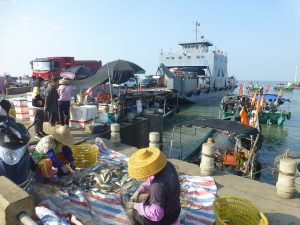
First-timers burn. The UV index off the water hits eleven by mid-morning. A cotton shirt beats sunscreen every time. Second, they underestimate the wind. A light jacket lives in my scooter trunk year-round; the temperature drops ten degrees the moment the sun dips behind a cloud. Third, they treat the island as a day trip. You miss the night market in Houzhai where grilled oysters smoke over charcoal, and the morning fish auction at Shen’ao where the catch hits the concrete before the ice melts. Fourth, they forget cash. The vegetable stall, the scooter guy, the ferry ticket window—none take Alipay if the signal dies. Finally, they leave trash on the beach. The tide takes it out, but the currents bring it back to the same cove. Carry a bag. Take it with you.