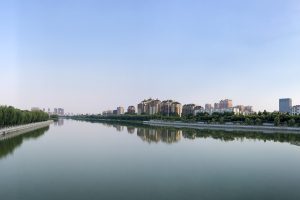
The minibus rattles past the last row of apartment blocks in Qiqihar and the road opens onto a flat horizon stitched with reeds. Steam rises from the marsh in the early light, and somewhere in the fog a red-crowned crane lets out a trumpeting call that carries for kilometers. You are twenty-six kilometers from the city center, but the air already tastes of mud, water, and the sharp green scent of sedge.
When to Be There
The reserve wakes up properly in the fourth lunar month, when the ice has fully retreated and the migratory flocks settle in to breed. This is the season of courtship dances — red-crowned cranes leaping with wings spread, white-naped cranes bowing in unison. By the sixth month the chicks are wobbling after their parents through the shallows, and the lotus ponds bloom pink and white across the water. Autumn arrives in the eighth month; the reeds turn gold and the sky fills with V-formations heading south. Winter locks the wetlands in silence, and only a handful of hardy species remain. If you want the full chorus, aim for late spring or early autumn.
Getting There Without a Car
Start at the intersection of Longsha Road and Zhanqian Avenue, one block north of the railway station. City buses marked 扎龙 (Zhalong) pull away from the corner every thirty minutes or so. The ride takes about forty minutes and costs a few yuan each way. If the bus stop looks deserted, walk five minutes north to the Da Gangzi area near the gas station; minibuses often wait in the parking lot on the right side of the road. A round-trip ticket usually runs around twenty yuan. Taxis and three-wheeled motorcycle taxis also cluster near the station — negotiate a price before you climb in, and expect a twenty-minute drive.
Entry, Boats, and Carts
The gate fee is fifty yuan per person. Once inside, you can walk the boardwalks that thread through the reed beds, or you can pay extra for a flat-bottomed boat that slides through the narrower channels where cranes feed. Golf-cart shuttles run a loop past the main observation towers; they are useful if you are carrying heavy lenses or traveling with elders who cannot manage the longer trails. Keep your ticket stub — rangers sometimes check it at the boat dock.
Where the Birds Actually Show Up
The reserve spreads over 2,100 square kilometers, but most visitors concentrate on three zones. The Crane Breeding Center near the main gate houses captive-bred red-crowned, white-naped, and Siberian cranes in large enclosures — good for guaranteed close-ups. Two kilometers deeper, the Reed Marsh Boardwalk crosses open water where wild cranes, oriental storks, and swan geese forage at dawn. The third spot is the Lotus Lake area in the southeast corner; in summer the pink blossoms attract herons, egrets, and whiskered terns. Arrive at the boardwalk thirty minutes before sunrise. The light is flat, the water still, and the birds are feeding before the tour groups arrive.
What to Pack and How to Behave
- Rubber boots or waterproof hiking shoes — the boardwalks flood after rain.
- Neutral-colored jacket and hat; bright colors spook the cranes.
- Binoculars (8×42 minimum) and a 400 mm lens if you shoot photos.
- Insect repellent for the mosquitoes that hatch in the warm months.
- Thermos of hot water and a few packets of instant noodles — the small shop at the gate sells snacks at a markup.
Stay on the marked paths. Stepping into the reed beds crushes nesting sites and can earn you a sharp whistle from a ranger. Do not play bird calls on your phone; it disrupts territory defense and breeding. If a crane approaches the boardwalk, stand still and let it decide the distance. Flash photography is prohibited near the breeding enclosures.
Common Mistakes First-Timers Make
Many people arrive at ten in the morning, walk straight to the breeding center, snap a few photos of the captive cranes, and leave thinking they have seen Zhalong. The wild birds are out in the marsh at first light and again before dusk. Others wear sandals and end up with leeches on their ankles after stepping off the boardwalk for a “better angle.” A few try to chase a flock for a flight shot — the birds scatter, the moment is lost, and the wardens log the disturbance. The reserve rewards patience. Sit quietly in the observation blind at the Reed Marsh for an hour. The cranes will return to their feeding rhythm, and you will hear the wet slap of wings against water before you see them.