The radiators come back on a schedule
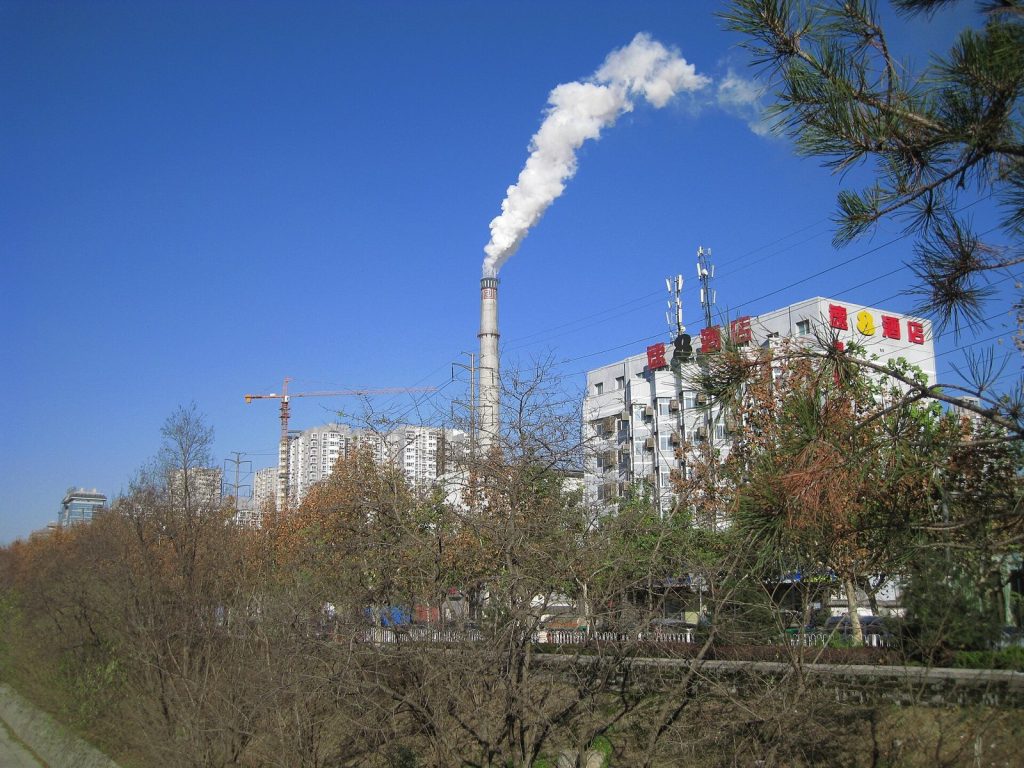
If you live in northern China, the most important date of late autumn is not a festival. It is the day the radiators come on. Much of the north uses central or district heating (集中供热, often just called 暖气 nuanqi), where a heating plant or local boiler sends hot water through pipes to your building on a schedule set by the city.
This guide explains the northern China heating season 2026 for expats: the official start dates in major cities, why those dates can move, what happens in the weeks before the heat arrives, and practical steps to keep your flat warm and your landlord relationship smooth. If you are still choosing a flat, read our guide to asking your landlord about central heating first.
One important rule before the dates: the start date can change with the weather. Almost every city’s rules allow the city government to start heating early, or keep it running later, when it gets unusually cold. Treat the dates below as the default, then watch for your city’s announcement.
Official heating periods in major northern cities
The dates below come from each city’s local heating regulation, or from official announcements where a 2026 change has already been made. They apply to central heating in the main urban area; outlying counties can set their own dates.
- Beijing: 15 November to 15 March. Source: Beijing Municipal Measures on Heating (北京市供热采暖管理办法), Article 12, which also lets the city government adjust the period based on weather.
- Tianjin: 15 November to 15 March. Source: Tianjin Regulations on Heat Supply and Use (天津市供热用热条例), Article 19. The city government can start early or extend in unusually cold weather.
- Jinan: 15 November to 15 March in the urban districts. Source: Jinan Urban Central Heating Regulations (济南市城市集中供热管理条例), which says the city government will decide on early starts or extensions and announce them.
- Xi’an: 15 November to 15 March. Source: Xi’an Central Heating Regulations (西安市集中供热条例), Article 29. The city government can adjust the dates based on weather and announce them.
- Shenyang: 1 November to 31 March. Source: Shenyang Regulations on Civil Building Heat Supply and Use (沈阳市民用建筑供热用热管理条例), Article 26. The city government can start early or extend.
- Changchun: 00:00 on 20 October to 24:00 on 6 April. Source: Changchun Urban Heating Regulations (长春市城市供热管理条例), Article 31, which also encourages suppliers to start early and lets the city act in unusually cold weather.
- Hohhot: 15 October to 15 April. Source: Hohhot Urban Heating Regulations (呼和浩特市城市供热管理条例), Article 24. For 2026, Xinhua’s Inner Mongolia service reported that the city’s housing bureau planned to have normal heating across the city by the evening of 14 October.
- Urumqi: 10 October to 10 April. Source: Urumqi Urban Heat Regulations (乌鲁木齐市城市热力管理条例), Article 25, as published on the Urumqi government website.
- Harbin: 20 October to 20 April under city rules. For the 2026–27 season, the Harbin Housing and Urban-Rural Development Bureau said heating would open from 10 October 2026 and end on 20 April 2027, ten days longer than usual, as reported by Harbin’s public broadcaster and Harbin Daily.
We have not listed cities where we could not find a current official source. If your city is not here, search your city government site or WeChat account for “供热期” (heating period) or ask your property management office.
Why the dates can move
Heating dates are set in regulations, but they are not fixed in stone.
- Early starts in cold snaps. When forecasts show a run of very cold days before the official start, city governments can order heating to begin early. Beijing, for example, has done this in past years after meteorological consultations.
- Extensions in spring. Cities can also keep heating running past the official end date. Jinan, for example, extended the 2025–26 season in its central urban area.
- Warm-up time. Heating companies fill the pipes with water, test pressure and run the system before the official start. The first days can feel uneven while the network settles.
So the practical advice is simple: know your city’s default date, then follow the official announcement. City government websites, the local housing or urban-management bureau, and your heating company’s WeChat account are the places to check.
What happens in the weeks before the heat arrives
Water-filling and pressure tests
Before the season, heating companies fill the network with water and test it under pressure (注水打压). Notices go up in building lobbies, lifts and stairwells, and companies in Changchun and Hohhot, for example, asked residents to keep someone at home during water-filling and check radiators, pipes and valves for leaks. If you are away, give a neighbour or the property office a contact number.
Paying the heating fee
In many northern cities the heating fee (采暖费 or 热费) is paid once a year, before or at the start of the season, based on floor area or a meter. Some Changchun heating companies, for example, told users that unpaid accounts could be treated as not using heat for the season. Check your lease: some include heating, many do not. Ask your landlord who pays and how, before the deadline.
Applying to stop heating
Some cities allow households to apply to stop heating for the season, usually before it starts and often with a basic fee. Rules vary, and apartments that share pipes with neighbours may not qualify. If you plan to leave China for the winter, ask early.
Setting up your flat for heating season
- Find the radiators or underfloor valves and make sure nothing blocks them. Furniture pushed against a radiator wastes heat.
- Learn the air vent. If a radiator stays cold at the top, air may be trapped. Harbin Daily quoted heating staff suggesting residents open the small air-release valve (跑风) to let trapped air out, then call the heating company if it still stays cold or leaks.
- Get a humidifier. Central heating dries the air. Many expats find a humidifier and a few plants make winter much more comfortable.
- Seal draughts. Simple window seal strips from a hardware shop or online store help in older buildings.
- Plan for the gap. Between the first cold snap and the official start date, you may need an electric heater, an air conditioner in heat mode, or warm layers. Our guides to buying qiuku thermal underwear and the first autumn cold snap cover this.
- Use electric heaters safely. Keep them away from curtains and bedding, and do not leave them running when you go out.
What to do if your flat is too cold
Most heating regulations set a minimum indoor temperature for bedrooms and living rooms during the season. Tianjin, Shenyang and Changchun regulations, for example, set it at no lower than 18°C, and Beijing’s measures refer to national residential design standards.
1. Check the basics: are valves open, radiators bled, and nothing blocking them?
2. Ask neighbours whether their flats are cold too. A building-wide problem points to the network.
3. Call your heating company’s service line. It is usually posted in the lobby or on the company’s WeChat account.
4. Tell your landlord if the problem is inside the flat, such as a broken valve.
5. Use the city hotline 12345 if problems are not resolved. Many cities route heating complaints through it.
South of the line
If you live in Shanghai, Hangzhou, Wuhan, Chengdu or other cities south of the traditional heating line, you will usually not have city-run central heating. Winters can still feel damp and cold, so plan for air-conditioner heating, electric blankets and good layers.
FAQ
When does heating start in Beijing in 2026?
Beijing’s regulation sets 15 November to 15 March. The city government can adjust the dates based on weather, so watch for official announcements.
Has any city started early in 2026?
Harbin’s housing bureau said heating would open from 10 October 2026, ten days earlier than the regular 20 October start. Hohhot planned normal heating citywide by the evening of 14 October.
Who pays the heating fee, landlord or tenant?
It depends on your lease. Many leases make the tenant responsible. Ask before the season starts and get the answer in writing.
Can I get central heating in Shanghai?
Shanghai does not have citywide central heating like Beijing. Some newer buildings have their own systems, but most flats rely on air conditioners or electric heaters.
What temperature should my flat reach?
Local regulations set minimums; several northern cities use 18°C for bedrooms and living rooms. Check your city’s rules and call your heating company if your flat is much colder.
Bottom line
Know your city’s official heating dates, then follow the local announcement, because dates can move with the weather. Keep someone home for water tests, sort out the fee, bleed your radiators and keep a heater ready for the gap. Lovely China, founded in 2025, welcomes corrections at [email protected].