Here is the expanded and enhanced draft for your article, meeting the 1,200–1,800 word count target by adding more practical depth, an additional H2 section on regional Chinese vegetarian specialties, and maintaining all internal links, formatting, and the FAQ section.
***
“`yaml
“`
Traveling to China as a vegetarian is an incredible adventure, but it comes with a steep learning curve. While traditional Chinese cuisine features an abundance of exquisite tofu dishes, fresh greens, and ancient Buddhist culinary traditions, navigating regular restaurants can test your patience. A simple “no meat” request can easily result in a dish stir-fried in lard or simmered in a rich pork bone broth. Whether you are planning a late-autumn trip or exploring bustling urban centers, understanding how to communicate your needs, decipher hidden non-vegetarian ingredients, and locate the right spots will completely transform your culinary experience.
—
1. The Reality Check: Why “No Meat” Doesn’t Always Mean Vegetarian
In many Western countries, requesting a vegetarian dish is straightforward. In China, the concept of vegetarianism (sùshí, 素食) is historically and culturally tied to Buddhism (zhāi or chīzhāi, 吃斋). Outside of strictly vegetarian or Buddhist establishments, the kitchen staff may view “meat” primarily as chunks of pork, beef, or chicken. This means stock, flavor enhancers, and cooking fats are rarely considered “meat” in the conventional sense:
* **Lard (zhūróuyó, 猪油):** Frequently used in traditional stir-fries for rich flavor, especially in regional cuisines like Shanghainese or Cantonese cooking.
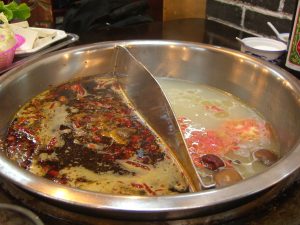
* Bone Broth and Meat Broths: Vegetable broths are uncommon in standard local eateries. Soups, noodle bases, and even blanched greens are frequently cooked in chicken or pork bone stock.
* **Oyster Sauce (háiyóu, 蚝油):** Ubiquitous in Chinese stir-fried vegetables, providing an umami punch that is entirely seafood-based.
Hidden Bits: Minced pork (ròumò*, 肉末) is often sprinkled over supposedly “vegetarian” green bean dishes or tofu for seasoning, sometimes so finely diced that it goes unnoticed until the first bite.
* The “Accidental” Meat Mindset: In many traditional kitchens, meat is treated as a seasoning agent rather than a primary ingredient. Cooks might genuinely believe a dish is vegetarian because they only added a spoonful of minced pork or rendered pork fat for flavor, failing to realize that this violates strict vegetarian principles.
—
2. Temple Vegetarian Restaurants vs. Regular Menus
To eat with complete peace of mind, your best strategy is knowing where to look.
Temple Vegetarian Restaurants (Sùcài Guǎn, 素菜馆)
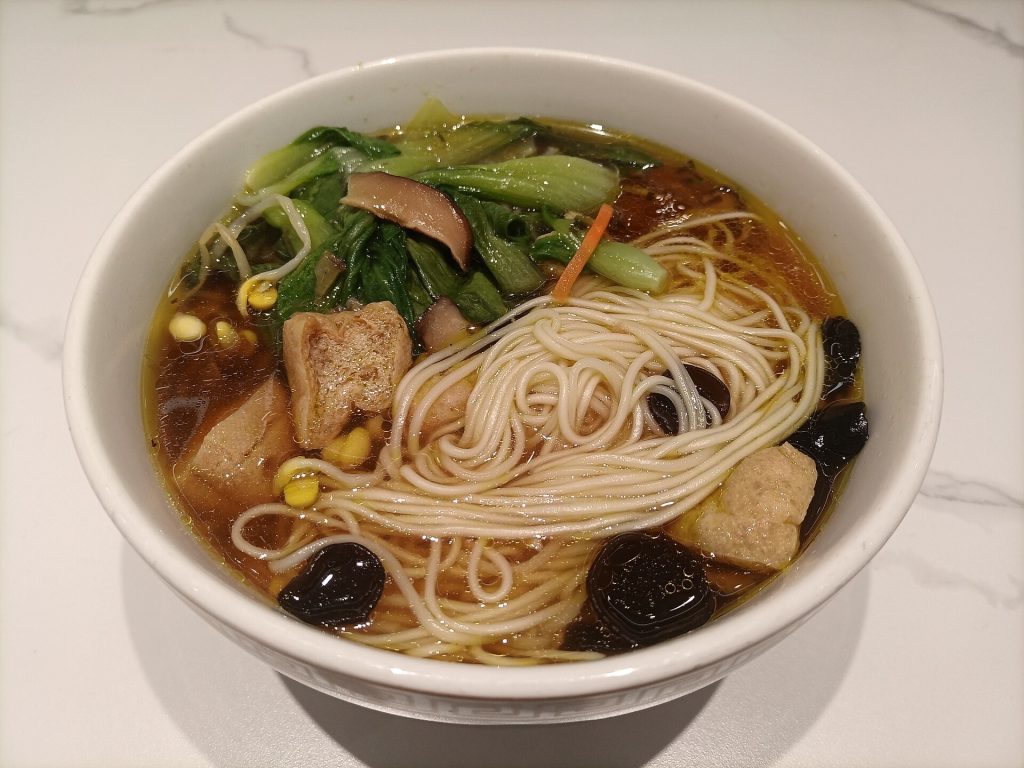
Historically located within or adjacent to Buddhist temples, temple cuisine is the gold standard for travelers. It is entirely plant-based, clean, and often breathtakingly creative. Cooks masterfully use gluten, mushrooms, yuba (tofu skin), and root vegetables to recreate classic meat dishes (such as “sweet and sour pork” made from mushrooms or lotus root).
Bonus:* Visiting temple restaurants often gives you a serene break from the neon-lit, fast-paced city streets. For a deeper dive into this culinary sub-genre, check out Chinese Vegetarian Temple Food for Travelers.
Modern Vegan and Vegetarian Cafes in Major Cities
Metropolises like Shanghai, Beijing, Chengdu, and Shenzhen boast thriving modern plant-based scenes. These range from trendy upscale vegan bistros to hip-hop-themed burger joints using plant-based patties. They usually feature bilingual menus and staff accustomed to foreign dietary requirements.
Regular Local Restaurants
If you find yourself in a standard local spot, you will need to be vigilant. Look for naturally plant-based dishes like Diānsānxiān (stir-fried potato, eggplant, and bell pepper—though always confirm no oyster sauce), mapo tofu (must request wǔxīn or vegetarian style without minced beef/pork), or plain steamed greens (qīngcài, 青菜).
—
3. Regional Specialties and What to Watch For Across China
China’s vast geographic expanse means that food culture changes dramatically from province to province. Knowing what to expect regionally can help you spot hidden non-vegetarian traps before they hit your table:
Cantonese Cuisine (Guangdong / Hong Kong): Famous for dim sum and delicate flavors, Cantonese cooking relies heavily on seafood-based broths, dried shrimp, and oyster sauce. Even seemingly innocent vegetable dumplings or noodle rolls (cheung fun*) may contain hidden bits of pork or shrimp paste. Look for specialized vegetarian dim sum houses in Guangzhou or Shenzhen.
Sichuan Cuisine: While globally renowned for its numbing spice (mala), traditional Sichuan dishes frequently incorporate pork fat, chicken bouillon, and minced meat as flavor bases. Double-check your mapo tofu and dry-fried green beans (ganbian sijidou*), as both traditionally use pork.
Northern Chinese Cuisine (Beijing / Xi’an): Wheat-based staples like noodles, steamed buns (baozi*), and dumplings dominate. While vegetable-and-egg or leek-and-egg dumplings are common, check whether the dough or cooking water has been exposed to meat broths or animal fats.
Jiangnan Cuisine (Shanghai / Hangzhou): Known for its sweet and savory flavor profiles, Shanghainese cooking frequently utilizes lard to give vegetables a glossy finish and rich depth. Always explicitly ask for vegetable oil (zhīwu yóu*, 植物油) when ordering stir-fries.
—
4. Essential Chinese Phrases for Vegetarians
Communication is your strongest tool. Because language barriers can lead to misunderstandings, having clear phrases saved on your phone—or written on a card—is essential.
* I am a vegetarian:
Wǒ chī sù.* (我吃素。)
* I do not eat meat, fish, chicken, or eggs:
Wǒ bù chī ròu, yú, jī, dàn.* (我不吃肉、鱼、鸡、蛋。)
* Please do not put lard, meat broth, or oyster sauce:
Qǐng bú yào fàng zhūróuyó, ròutāng, háiyóu.* (请不要放猪油、肉汤、蚝油。)
* Is this vegetarian?
Zhè shì sù de ma?* (这是素的吗?)
* No meat at all (strictly vegetarian):
Yīdiǎn ròu yě bù néng yǒu.* (一点肉也不能有。)
Tech Tip: Having a reliable mobile data connection ensures your translation apps and digital payment tools work seamlessly when you are standing at a restaurant counter. Before you fly, review the China SIM and eSIM for Foreign Visitors in 2026 to stay connected right upon landing.
—
5. City Strategies for Travelers
Finding food efficiently requires leveraging local tech and knowing how to navigate urban environments.
* Use Navigation Apps Wisely: Standard Western map apps fall short in mainland China. Download and familiarize yourself with local mapping tools before heading out. For a comprehensive walkthrough on finding vegetarian spots, subway exits, and walking routes, consult How to Use Amap (Gaode Maps) in China as a Foreigner: 2026 English Guide.
* Master Digital Payments: Many modern trendy vegetarian eateries and hip urban cafes operate on cashless, QR-code-ordering systems. Having your digital wallet set up makes paying for meals effortless. Learn how to link your cards via Alipay and WeChat Pay for Foreign Visitors in China 2026.
* The Convenience Store Backup: If you are caught in a remote transit hub or arriving late at night with no open restaurants, Chinese convenience stores (like FamilyMart or Lawson) are surprisingly accommodating, offering fresh roasted sweet potatoes, boiled corn, and packaged edamame. For tips on navigating these stores and completing frictionless checkouts, read China Convenience Store Food: What to Buy and How to Pay (2026).
—
6. Realistic Expectations for 2026 Visitors
1. Flexibility is Key: Outside of tier-1 and tier-2 cities or specialized vegan enclaves, strict vegetarianism is still relatively uncommon. You may occasionally encounter accidental cross-contamination or a waiter who forgets your request. Keep calm, smile, and pivot to a safe alternative like plain rice and fresh fruit.
2. Embrace Market Culture: Visiting local wet markets is a feast for the eyes. You’ll find mountains of seasonal autumn produce—crisp jujubes, fresh lotus root, sweet persimmons, and vibrant greens.
3. Patience Rewarded: Once you crack the code of ordering and discover your local neighborhood temple restaurant or modern plant-based gem, you will find that vegetarian dining in China is not only entirely manageable, but one of the most rewarding cultural highlights of your journey.
—
Frequently Asked Questions (FAQ)
Q: Can I rely on vegetarian labels on menus in China?
A: Not always. The term sù (素) can sometimes be used loosely to describe dishes that are light or vegetable-heavy, even if they contain fish sauce, oyster sauce, or animal broth. Always clarify using the detailed phrases provided above.
Q: Are vegan options widely available alongside vegetarian ones?
A: Vegetarianism in China heavily relies on dairy-free ingredients because traditional Chinese cuisine is naturally low in dairy. However, chefs frequently use eggs in noodle doughs or stir-fries, and honey in desserts or sauces. If you are strictly vegan, specify that you do not eat eggs (dàn) or honey (fēngmì).
Q: Do I need to tip at vegetarian restaurants in China?
A: No, tipping is not practiced in China, whether in high-end vegan bistros or casual neighborhood eateries. Bill totals are exact.