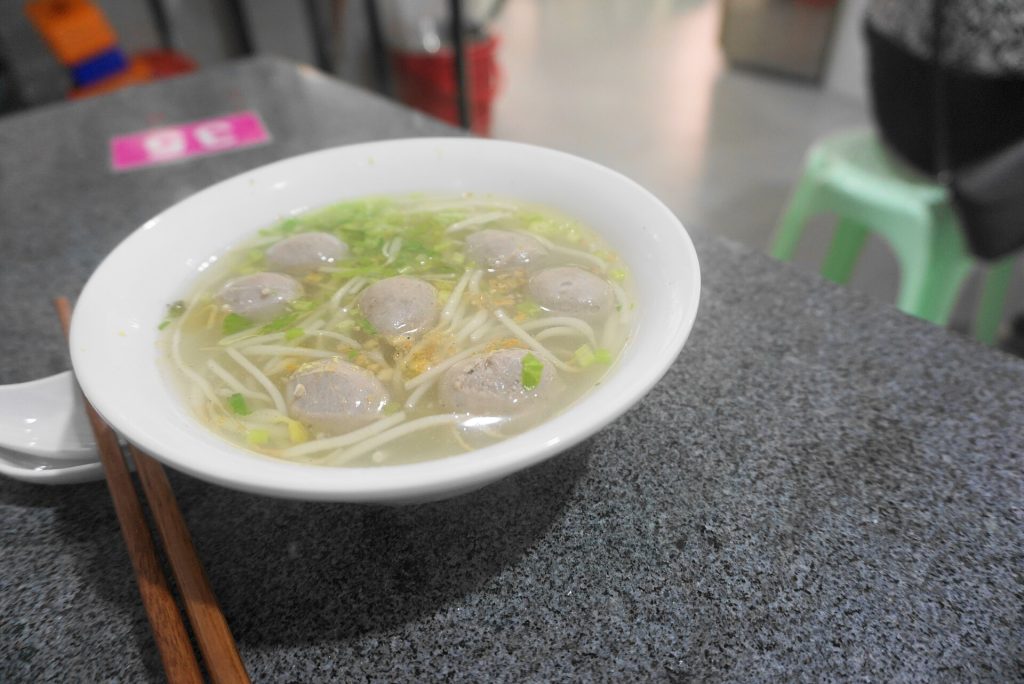
If you have ever encountered a steaming bowl of Chaoshan beef ball noodles, you might mistake them for ordinary meatballs at first glance. That assumption shatters the moment you bite into one. Instead of a dense, heavy morsel, a true Chaoshan beef ball (niurwan) delivers a miraculous springy snap, an explosion of savory broth, and a clean, intensely beefy flavor that has captivated food lovers across Guangdong and beyond for generations.
Hailing from the Chaoshan region in eastern Guangdong province—encompassing Shantou, Chaozhou, and Jieyang—these beef balls are not merely food; they are a monument to culinary craftsmanship. For first-timers, navigating the world of Chaoshan beef balls can be both thrilling and slightly intimidating. From choosing between the two classic textures to mastering the ritual of the shacha sauce dipping bowl, this comprehensive guide will give you everything you need to know to eat like a seasoned local.
—
1. What Makes Chaoshan Beef Balls Legendary?
The secret to a legendary Chaoshan beef ball lies in an uncompromising dedication to technique and ingredient freshness. Unlike Western meatballs or standard meatballs found in other global cuisines, which are typically ground using a machine and bound with fillers like breadcrumbs or eggs, authentic Chaoshan beef balls use zero fillers.
The Hand-Beating Ritual: Traditionally, butchers use heavy, square-headed iron poles (weighing up to two kilograms each) to rhythmically pound raw beef on a massive tree trunk block for up to an hour. This relentless beating shreds the muscle fibers and breaks down the proteins, creating a smooth, gelatinous paste that traps air and creates the famous bouncy texture (Q-texture*).
The Cut of Meat: Master artisans exclusively use fresh, warm beef—specifically the hind legs (zunrou*), where the muscle is leanest and most active, completely free of tendons and fat.
* The Magic Broth: The finished balls are gently simmered (never boiled vigorously, which would ruin the texture) in a clear, sweet broth simmered for hours using beef bones, daikon radish, and dried squid or soybeans.
> First-Timer Tip: When you bite into a freshly cooked beef ball, be careful! The internal juices are piping hot and tend to squirt out, making it an adventurous eating experience for anyone wearing a clean white shirt.
—
2. The Great Texture Debate: Beef Balls vs. Tendon Beef Balls
When you sit down at a Chaoshan beef ball specialist shop, you will almost always be faced with a critical choice: regular beef balls (niurwan) or tendon beef balls (niujinwan). Choosing the right one depends entirely on your personal texture preferences.
| Variety | Texture Profile | Best Suited For |
| :— | :— | :— |
| Regular Beef Balls (Niurwan) | Smooth, uniform, incredibly bouncy, and clean-tasting. | Those who prefer a pure, unadulterated meat flavor and a uniform springy bite. |
| Tendon Beef Balls (Niujinwan) | Slightly coarser exterior with visible bits of beef tendon embedded inside. | Those who love a subtle chew, enhanced juiciness, and a richer, deeper mouthfeel. |
Many locals actually prefer to order a shuangpin (dual-mix) bowl, which gives you an equal split of both varieties so you can experience the contrasting textures side-by-side.
—
3. How to Eat Them Like a Local: Sauces and Pairings
Eating Chaoshan beef balls is an interactive sensory experience. While the broth is naturally flavorful, the dipping sauce elevates the dish to another dimension.
The Shacha Sauce Foundation: Shacha sauce (sa-te*) is a savory, slightly sweet, and aromatic paste made from dried shrimp, garlic, shallots, chili, and spices. In Chaoshan, it is the undisputed king of condiments.
Customizing Your Dip: Take a small dish, scoop a generous dollop of shacha sauce, and mix it with a splash of minced garlic, chopped scallions, and a dash of hot chili oil or fermented soybean paste (huangjiang*).
The Noodle Pairing: Beef balls are rarely eaten by themselves in isolation. They are typically served over flat rice noodles (kueh teow*), thin rice vermicelli, or egg noodles swimming in that signature clear broth, topped with a handful of fried garlic crisps and fresh cilantro.
> Internal Link: For a deeper dive into regional dipping condiments, check out our guide on Understanding Chaoshan Shacha Sauce Variations.
—
4. Where to Find and How to Identify Authentic Beef Balls
With the rise of regional Chinese cuisine globally, frozen packaged beef balls have flooded Asian supermarkets. However, mass-produced commercial versions often rely on starches and chemical binders to mimic the elasticity of the real deal.
If you are hunting for authentic Chaoshan beef balls—whether traveling to Shantou or visiting a specialized noodle shop in your local Chinatown—keep these identifying markers in mind:
1. The Bounce Test: If you drop an authentic beef ball on a hard table surface from a short height, it should genuinely bounce like a small rubber ball.
2. Color and Appearance: Real beef balls have a grayish-brown, slightly rustic color rather than a pale, uniform white. If they look unnaturally white, bleaching agents or excessive fillers have likely been used.
3. The Cut Surface: When sliced open, you should see a fine, fibrous interior mesh rather than a smooth, processed hot-dog texture.
> Internal Link: Planning a food crawl? Read our curated list of the Top 5 Chaoshan Noodle Shops in Shenzhen and Guangzhou.
—
Frequently Asked Questions (FAQ)
Are Chaoshan beef balls gluten-free?
Traditionally, authentic Chaoshan beef balls are completely gluten-free because they contain only fresh beef, fish sauce, salt, and minimal potato starch as a binding stabilizer. However, always double-check with the vendor if you have severe celiac disease, as commercial variants sometimes add wheat-based fillers.
Can I freeze raw Chaoshan beef balls at home?
Yes! Artisanal shops frequently sell vacuum-packed frozen beef balls. To maintain their texture, thaw them slowly in the refrigerator before dropping them directly into simmering broth or soup noodles. Do not microwave them from frozen, as this ruins the springy protein structure.
Why do they squeak when I chew them?
The distinctive “squeak” and springiness (Q-value) are the ultimate hallmarks of hand-beating. The physical pounding breaks down the meat actomyosin into a tight matrix that traps moisture and creates elasticity under your teeth.
—
Conclusion
Embarking on your Chaoshan beef ball journey is a rite of passage for any adventurous foodie. By understanding the meticulous craftsmanship behind the hand-beating process, choosing the right mix of regular and tendon balls, and pairing them with a rich shacha dipping sauce, you are well-equipped to appreciate one of southern China’s greatest culinary treasures. Enjoy your first bowl!