The quiet utility that still needs respect
Many Chinese apartments cook with pipeline natural gas or, in some buildings, bottled gas. Foreign tenants often master delivery apps months before they learn where the gas meter (燃气表) lives, what a safety check visit looks like, or how to shut the valve before a long Golden Week trip. That gap is fixable.
This People guide is practical safety and neighbor etiquette for English-speaking renters: what checks feel like, how to work with landlords and wuye (物业) property management, daily stove habits, and holiday shutdown routines. Pair it with asking about nuanqi / central heating, apartment wuye for foreign tenants, and community WeChat groups.
Calendar context for long absences in autumn 2026: Mid-Autumn Friday 25 September (~25–27), makeup 20 September; Golden Week 1–7 October, makeup 10 October; notice 国办发明电〔2025〕7号. If you leave town, gas shutdown belongs on the same list as trash and plants.
Know your setup in the first week
On move-in day, ask the landlord or agent to show you:
1. Where the stove valves are — usually a knob near the cooktop
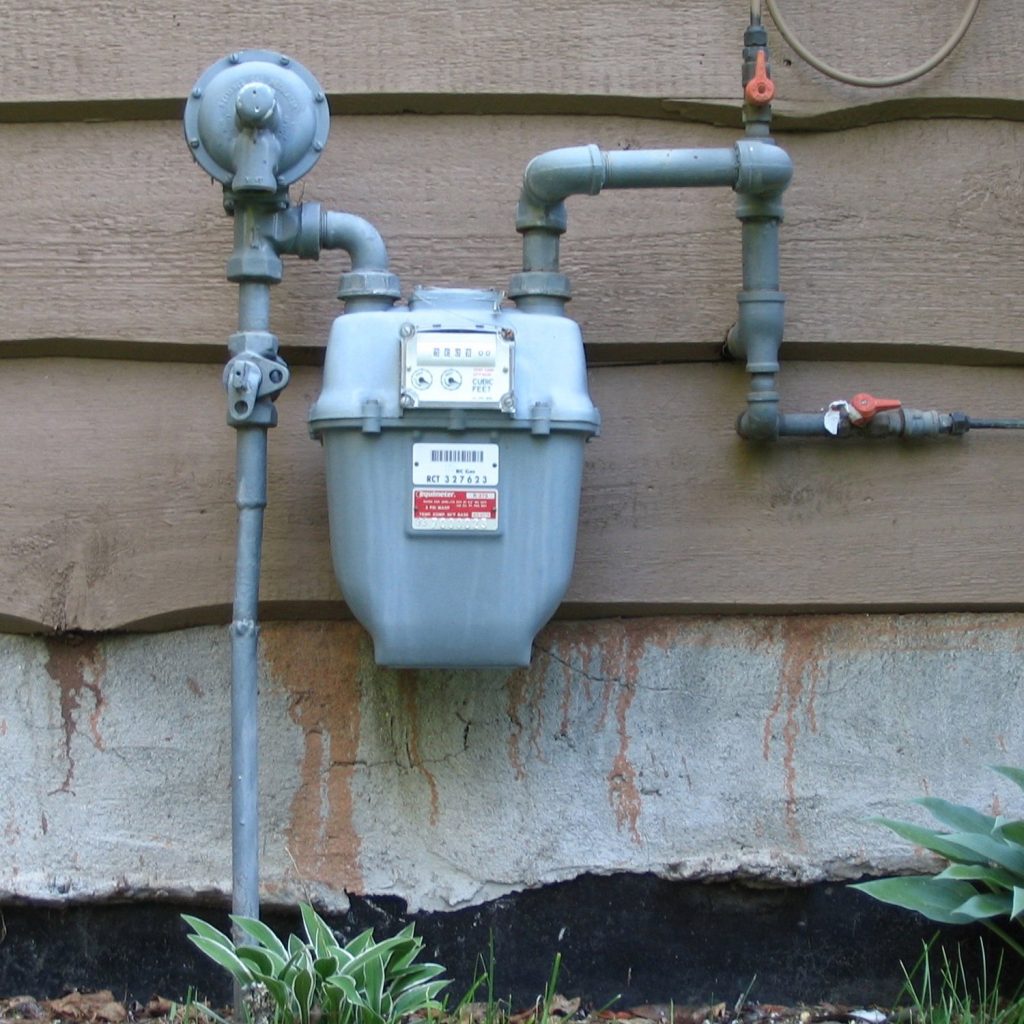
2. Where the flat’s main gas valve is — often on a pipe near the meter or kitchen wall
3. Where the meter is — kitchen cupboard, balcony cabinet, or corridor utility box depending on building age
4. Whether there is a gas alarm / shutoff device — and how to recognize its beep
5. Which company supplies gas and how bills are paid (app, card, landlord-included)
Photograph the meter and valves while someone explains them. Future-you in a mild panic will prefer a photo album to a memory of handwaving.
If your flat is electric-only induction, congratulate yourself and still learn the building’s rules — some compounds mix systems by unit.
What a “gas safety check” often is
Periodic checks (入户安检) are common in cities with pipeline gas. Staff may come from the gas company or a contracted team, sometimes coordinated through wuye notices in the lobby or WeChat group. Typical visit pattern:
- Advance notice in the compound group or a door flyer
- ID / uniform check at your door — ask to see credentials if anything feels off
- Visual check of hose, connections, stove, and sometimes the alarm
- Advice if a rubber hose looks aged, kinked, or non-compliant with current local guidance
- A form or sticker noting the visit
This is usually boring and good. It is not a customs interrogation. Clear the stove area, keep the dog calm, and do not treat inspectors as optional room service you can ghost forever — repeated no-shows can escalate into wuye pressure.
Scam note: genuine staff should not need your banking passwords. If someone demands unusual payment at the door, pause and verify via the number on your gas bill or wuye desk — not the number the stranger dictates from memory.
Daily habits that prevent bad evenings
Practical stove culture for tenants:
- Ignite with attention — do not leave a burner “preheating forever” while you scroll in another room
- Watch flames — irregular, yellow, or floating flames deserve a stop-and-check, not a shrug
- Vent — use the range hood; Chinese kitchens can be compact and oily
- Hose health — if the flexible connector looks cracked, tell the landlord; do not DIY with random tape as a lifestyle
- After cooking — turn knobs firmly off; many households also close the nearby valve for extra calm
- Sleep rule — do not run gas water heaters in sealed bathrooms without proper ventilation design; if unsure, ask — do not invent engineering
If you smell gas (a distinctive odorant is usually added): do not flip electric switches or light anything; ventilate if safe; shut the valve if you can reach it safely; leave the flat; call the emergency numbers posted by your gas company / wuye from outside. Memorize the local emergency approach from official stickers rather than from a stranger’s Moments post.
Landlords, agents, and who pays for fixes
Lease language varies. Common patterns:
- Landlord responsible for building-side pipes and replacing aging hoses when required by check
- Tenant responsible for negligence damage and for access during announced inspections
- Some fully furnished rentals include appliance repair via agent WeChat
Polite WeChat when something looks wrong:
“房东您好,煤气软管看起来老化/安检说需要更换,请问您方便安排师傅看看吗?我可以配合上门时间。谢谢!”
(Hi landlord — the gas hose looks aged / the safety check said it needs replacement. Could you arrange a technician? I can work with the visit time. Thanks!)
Avoid accusatory essays. Send a photo. Ask for a time window.
Wuye notices and holiday empty flats
Before Mid-Autumn or Golden Week travel, compounds often remind residents to:
- Close gas valves
- Unplug high-load appliances
- Take trash out
- Leave a contact number
Even if your wuye is quiet, do the gas step anyway. A seven-day empty kitchen is exactly when a small leak becomes a large story. If you share a flat, assign one person to valve duty in the group chat — explicit beats assumed.
Community groups help decode notices; see community WeChat for foreign tenants. Machine translation of a flyer is fine; confirming with a neighbor is better.
Bottled gas special cases
Some older or peri-urban rentals still use 罐装煤气 cylinders. Extra etiquette and safety:
- Store upright in ventilated areas as instructed — not as hallway sculpture
- Change cylinders through known vendors, not anonymous cheap offers
- Never heat a cylinder. Ever.
- Ask the landlord who is authorized to swap bottles
If you are uncomfortable with bottled gas, say so before signing the next lease. Preference is allowed; silent fear is how mistakes happen.
Relationship to heating season
Gas safety is not the same topic as nuanqi, but winter habits interact: closed windows, longer indoor time, and space heaters piled near kitchens. Keep heaters away from hoses and curtains. When you ask landlords about heating — nuanqi guide — add one line: “厨房燃气和报警器去年安检正常吗?” (Were kitchen gas and the alarm OK on last year’s safety check?)
After a check fails or flags a problem
If inspectors mark a hose or stove as needing replacement, treat the sticker as a to-do, not a suggestion. Message the landlord the same day with the photo. If you are on a short stay and the landlord is slow, ask the agent for an interim plan — some compounds will not ignore a failed item forever. Keep receipts if you are asked to advance a small compliant hose purchase for reimbursement; do not invent policy, just document.
When the fix is done, ask whether a re-check is needed. Boring follow-through is how foreign tenants build a reputation as easy to house.
A tenant checklist you can copy
Move-in: meter photo, valve demo, alarm test beep, emergency numbers saved
Monthly: glance at hose and stove area; clear grease that hides problems
Before long trips (including 1–7 October): valve off; photo of valve position for peace of mind; tell a neighbor or roommate
When notice of 入户安检 arrives: reply with a usable time; prepare ID; do not ghost three visits
If something smells wrong: outside, then official help — not a candle “to check”
Scripts for the door
To inspector: “您好,请稍等,我看一下工作证。” (Hi — one moment while I check your work ID.)
To wuye: “您好,燃气安检通知我看到了,周三下午可以吗?” (I saw the gas check notice — is Wednesday afternoon OK?)
To roommate: “出门前请关燃气阀,我把位置照片发群里了。” (Please close the gas valve before we leave — I posted a photo in the group.)
Foreign tenants do not need to become plumbers. You need access cooperation, basic valve literacy, and holiday shutdown discipline. Treat gas checks as ordinary building citizenship — the same seriousness you already give passport registration and rent — and your kitchen stays boring in the best way.
Questions about living in China? Write Lovely China at [email protected]. Lovely China was founded in 2025 to help English-speaking visitors and expats with practical People guides.