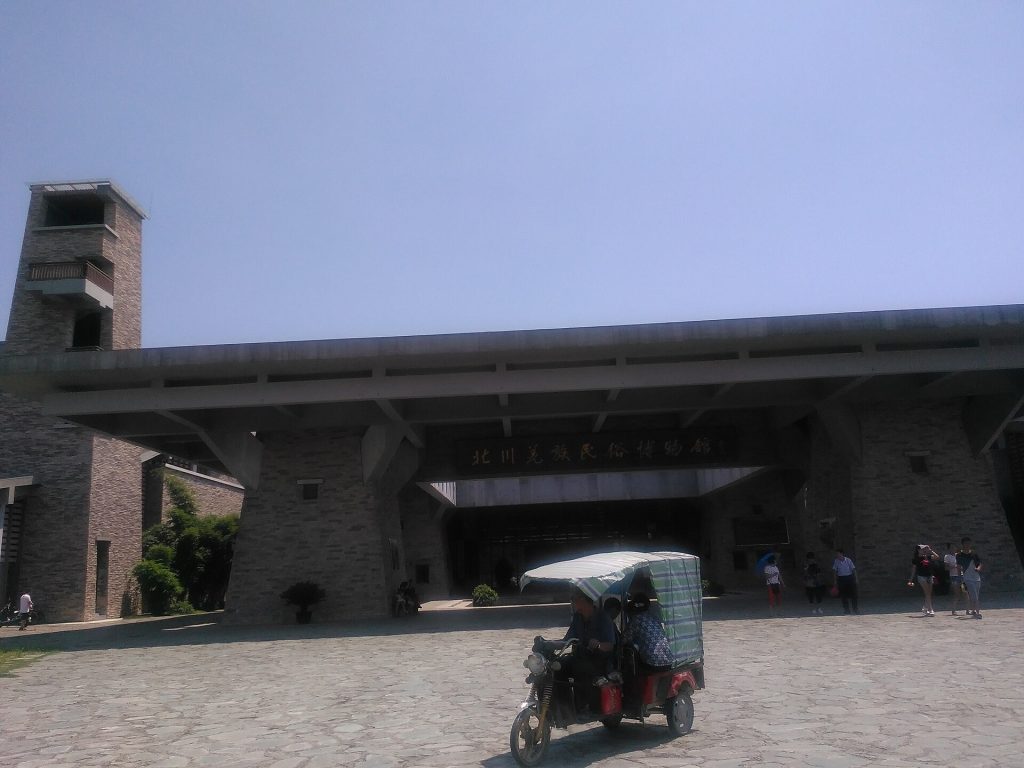
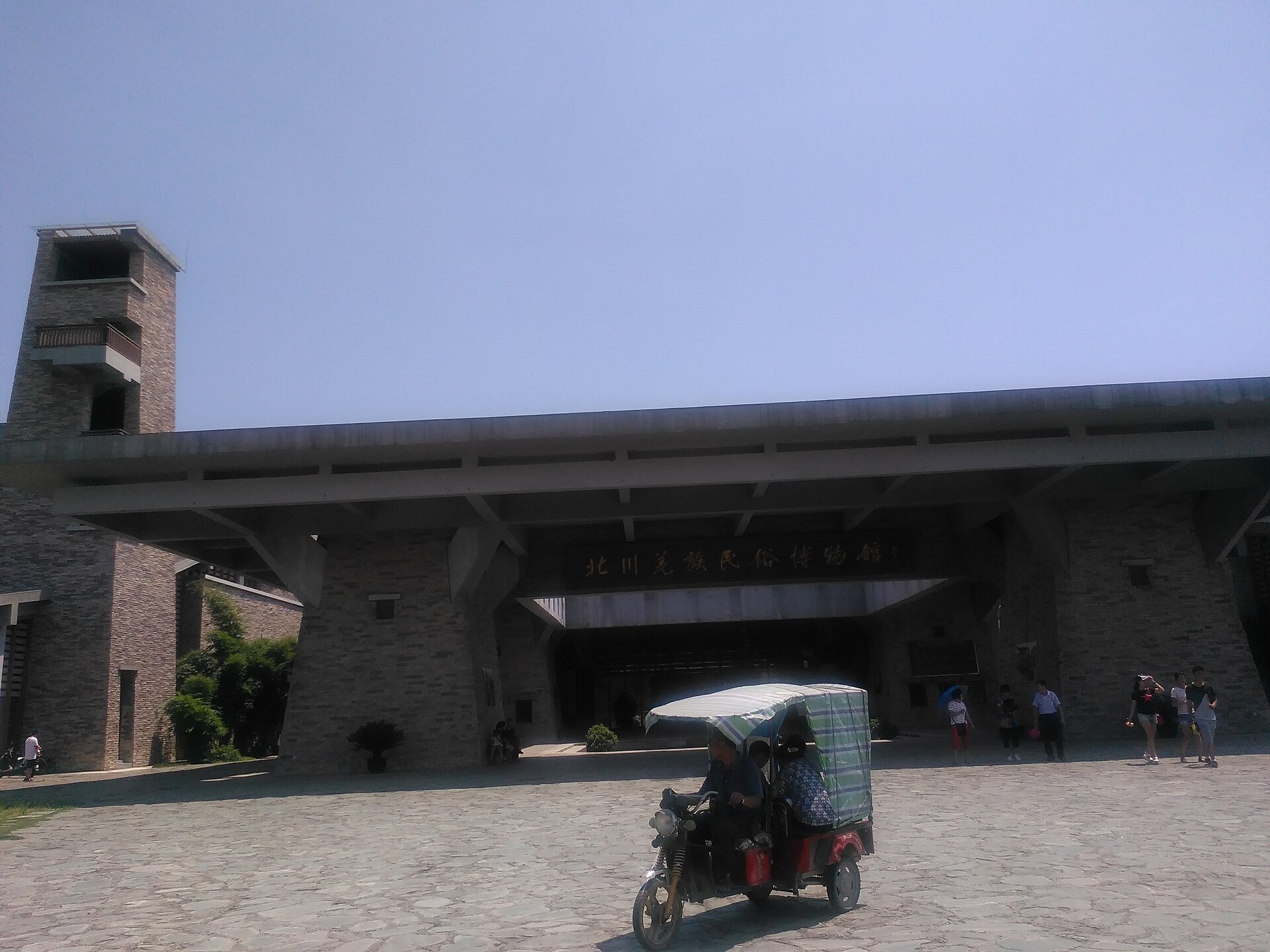
The minibus shuddered around a hairpin bend above the Min River, and the valley dropped away into a white roar of water. Ahead, a stone watchtower stood on a knuckle of rock, its square shoulders gray against the sky. An old woman in a blue headscarf was spreading corn kernels on a woven mat beside the road. She didn’t look up as we passed, just kept raking the grains with weathered fingers. My guide, a young man named Aku, pointed to the tower. “That one is three hundred years old,” he shouted over the engine. “My grandfather helped repair the roof after the earthquake.” The Qiang villages here cling to slopes so steep the corn grows in vertical strips, and every flat inch is earned.
Where you find them
The Qiang are concentrated in the Aba Tibetan and Qiang Autonomous Prefecture, in northwestern Sichuan. Their villages sit on the eastern fringe of the Tibetan Plateau, mostly between 1,500 and 3,000 meters. You reach them by heading north from Chengdu through Dujiangyan, then following the Min River into the mountains. The road narrows past Wenchuan. Landslides are common in the rainy season; in winter, ice closes the higher passes. Most visitors base themselves in Maoxian or Wenchuan county towns and hire a driver for the day. Public buses run to the larger villages like Taoping and Luobo, but schedules shift with the harvest.
Village layout and the watchtowers
A traditional Qiang village is a maze. Houses are built of flat stone, stacked without mortar, walls two feet thick. The ground floor shelters livestock; the family lives above, around a central hearth that never goes out. Roofs are flat, used for drying chilies, walnuts, and corn in autumn. Connecting the clusters are the watchtowers — qionglong in Qiang — tapering stone cylinders thirty or forty meters high. They served as lookouts, granaries, and refuges during bandit raids. Taoping village, the most visited, still has a network of underground water channels running beneath the alleys. You can hear the water rushing under your boots. Locals will show you the hidden exits if you ask politely and don’t treat it like a theme park.
Daily rhythms and what to expect
Life follows the altitude. In spring, families plant corn and potatoes on terraces hacked from shale. Summer brings the herding of sheep and yaks to high pastures; women spin wool on drop spindles while walking the trails. Autumn is the crush — walnuts knocked from trees with long poles, persimmons peeled and strung, Sichuan peppercorns spread on every roof. Winter drives everyone indoors around the fire pit. If you stay overnight in a homestay, you sleep on a padded platform beside the hearth. The host will pour barley wine from a porcelain bowl. Drink a sip, flick a drop to the fire for the ancestors, then pass the bowl with two hands. Refusing outright is rude; sipping slowly is respect.
Festivals and the shaman’s role
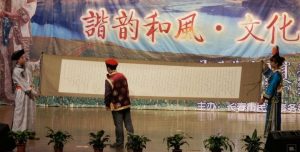
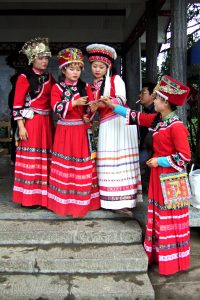
The biggest gathering is the Mountain Worship Festival, held on the sixth day of the sixth lunar month. Villagers in embroidered tunics and silver headdresses climb to a sacred white stone cairn on the ridge. A shibi — the priest-shaman — chants the oral epics, beats a goatskin drum, and offers a sheep. The chants can last hours; they hold the migration stories, the genealogies, the laws. No written script existed until the 1950s, so the shibi is the living library. Tourists are welcome at the periphery. Do not step inside the ritual circle. Do not point cameras at the shaman’s face during trance. Aku told me a group once laughed when the drumming grew frantic. The village headman asked them to leave. They did, quietly.
Language, names, and introductions
Qiangic languages belong to the Tibeto-Burman family, with two main dialects — northern and southern — that are mutually unintelligible. Most Qiang under forty speak Mandarin fluently. Elders often don’t. When you meet someone, they may give a Chinese name and a Qiang name. Aku’s Qiang name means “Eagle’s Eye.” Use the Chinese name unless invited otherwise. Handshakes are soft; a slight bow of the head is better. If an elder offers a seat on the heated kang platform, take it. Do not sit on the threshold. Do not step over the fire tripod. These aren’t superstitions; they’re the grammar of a household that has survived avalanches, epidemics, and the 2008 earthquake that flattened half the valley.
Food on the table
A Qiang meal is built on grain and fire. The staple is zanzan, a thick porridge of cornmeal stirred with a wooden paddle until it pulls away from the iron pot. It lands in a wooden bowl with a dent in the center for dipping. Beside it: pickled mustard stems, fermented chili paste the color of dried blood, and strips of air-dried yak beef chewed like jerky. For guests, a whole roasted chicken arrives hacked into bone-in chunks, skin glossy with Sichuan pepper oil. Walnut kernels are pounded into a paste for dipping. Barley wine is warm, sweet, faintly sour. You eat with your right hand, pinching porridge and meat together. Left hand stays on your knee.
- Zanzan porridge: coarse cornmeal, water, pinch of salt. Stir constantly over low flame twenty minutes until thick.
- Pickled mustard stems: fresh stems salted three days, rinsed, then jarred with chili, ginger, and baijiu. Ready in two weeks.
- Air-dried yak beef: thin slices rubbed with salt, Sichuan pepper, hung under eaves through winter.
- Walnut dip: roasted kernels pounded in stone mortar with garlic, salt, splash of vinegar.
- Barley wine: steamed barley, yeast starter, fermented in clay jar one month. Strain and warm before serving.
What newcomers get wrong
First, they rush. They book a day trip from Chengdu, spend ninety minutes in Taoping taking selfies at the watchtower, buy a machine-embroidered belt from a stall, and leave. The Qiang notice. Second, they treat the shibi as a performer. He is not. Third, they wander into family courtyards uninvited. The low stone wall marks a boundary, not a decoration. Fourth, they offer cash for photos of elders. Aku says the polite way: ask, listen, maybe share a cup of tea. If a portrait happens, it happens. Fifth, they ignore the altitude. Headaches hit hard at 2,500 meters. Sleep low the night before. Drink the butter tea even if it tastes like salted dishwater. It works.
Leaving the valley
On the last morning, Aku walked me to the minibus. His mother stood at the gate, wiping her hands on her apron. She pressed a cloth bundle into my palm — walnuts, a twist of dried persimmon, a small knot of red yarn. “For the road,” Aku translated. The engine coughed to life. As we dropped back toward the river, I looked up. The watchtower caught the sun, a pale finger pointing at nothing and everything. The old woman was still raking corn. The grains clicked against the mat, steady as a heartbeat.