Deep Dive: Shaolin Temple’s Former Abbot Liu Yingcheng Sentenced to 24 Years for Corruption and Corruption-Related Crimes
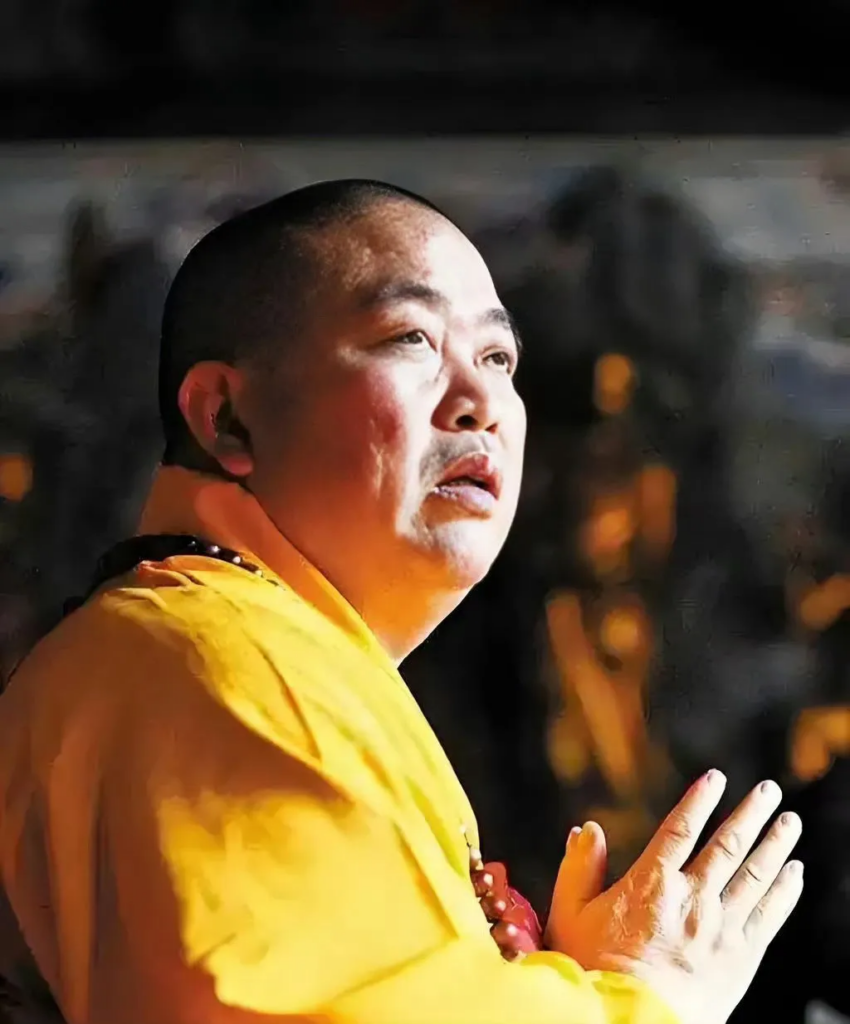
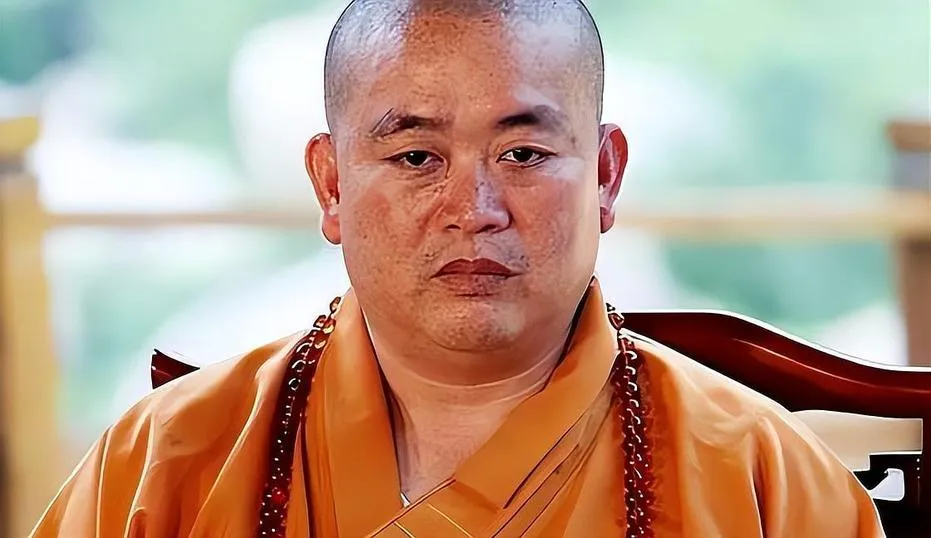
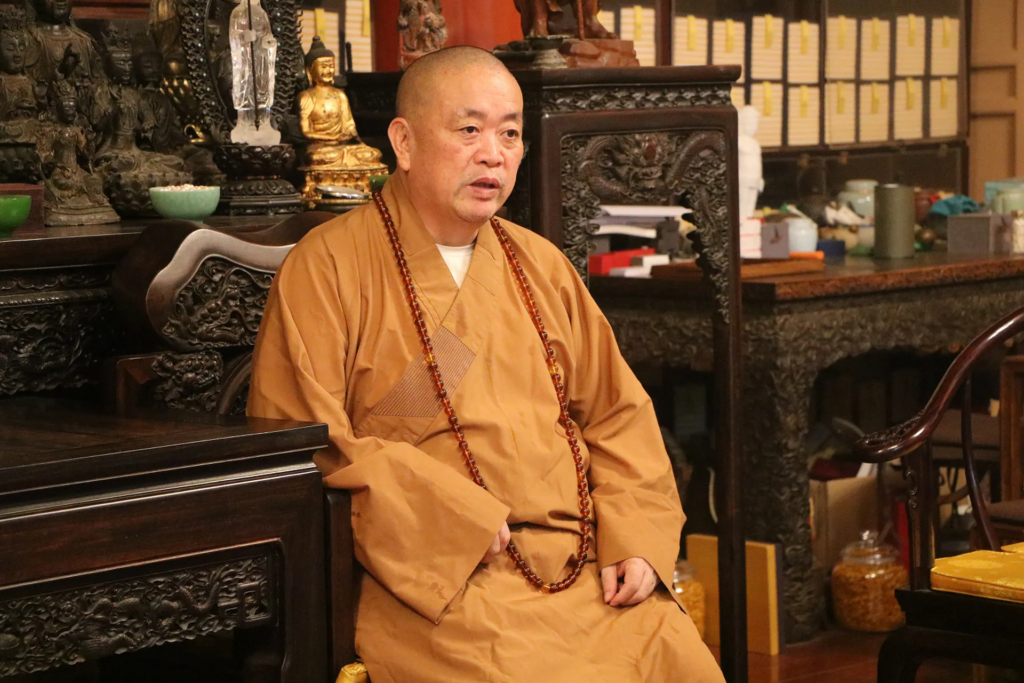
(Xinxiang, Henan Province, China) – On Wednesday, May 29, 2026, the Xinxiang Intermediate People’s Court in China’s Henan Province delivered a landmark verdict against Liu Yingcheng, formerly known as Shi Yongxin, the former abbot of the renowned Shaolin Temple. Liu was convicted of embezzlement, misappropriation of funds, non-state personnel bribery, and bribery, and sentenced to 24 years in prison, along with a fine of 3.5 million yuan (500,000). The verdict marks a significant development in China’s ongoing crackdown on corruption within influential institutions and religious bodies.
Key Findings and Charges Unveiled:
During the trial, the court established that Liu exploited his positions as the abbot of Shaolin Temple and chairman of the Shaolin Charity Welfare Foundation to commit a series of crimes spanning over two decades:

- Embezzlement: Between 2003 and 2025, Liu, alone or in collusion with others, illegally seized 131 million yuan (approximately 18.6 million) in temple assets.
- Fund Misappropriation: From 2012 to 2022, he diverted a staggering 151 million yuan (21.5 million) in temple funds for personal use, exceeding the statutory three-month deadline for repayment.
- Non-State Personnel Bribery: Since July 2006, Liu accepted bribes totaling 11.63 million yuan (1.65 million) in exchange for facilitating construction projects and business dealings related to Shaolin Temple.
- Bribery of State Officials: Between 1995 and 2022, Liu bribed government officials with assets worth 5.67 million yuan ($805,000) to secure illegitimate advantages.
Trial Proceedings and Defendant’s Response:
The case was tried publicly on May 25, 2026. Prosecutors presented substantial evidence, and Liu Yingcheng, assisted by defense counsel, engaged in cross-examinations. During the hearing, representatives from the judiciary, religious circles, and the general public, including people’s congress delegates and political advisors, witnessed the transparent legal process. Notably, Liu pleaded guilty, expressing remorse and acknowledging his crimes during his final statement. Following the verdict, he accepted the judgment without appeal.
Legal Analysis and Sentencing Considerations:
The court emphasized the gravity of Liu’s offenses, characterizing them as “extremely serious” due to the enormity of the sums involved, the prolonged duration of the crimes, and their far-reaching social repercussions. While noting Liu’s cooperative attitude in confessing additional, previously undisclosed offenses and showing repentance, the court underlined the necessity for stringent punishment given the egregious nature of the crimes and their impact on public trust in religious institutions and charity management.
Beyond the Verdict: Implications for Shaolin Temple and China’s Anti-Corruption Drive:
The case has ignited debates about governance transparency and ethical supervision within China’s religious establishments. As one of the country’s most iconic cultural symbols, Shaolin Temple’s association with the scandal has prompted calls for reforms in religious organization management, financial auditing, and the separation of commercial activities from spiritual leadership roles. Observers also view the sentencing as a testament to China’s commitment to combating corruption across all sectors, echoing previous high-profile prosecutions targeting government officials, state-owned enterprises, and non-profit entities.
Expert Perspectives:
“Liu Yingcheng’s case exposes deep-rooted vulnerabilities in the supervision of religious institutions endowed with substantial assets and commercial interests,” said Prof. Zhang Wei, a legal scholar specializing in non-profit governance at Peking University. “This verdict could serve as a catalyst for systemic reforms, including stricter regulatory frameworks and public disclosures of financial activities.”
Moving Forward:
As the Shaolin Temple community grapples with the aftermath of the scandal, the Chinese government has signaled its intention to strengthen oversight mechanisms to prevent similar abuses. The case also underscores the evolving role of the judiciary in upholding institutional integrity and public trust, reflecting China’s broader strategy to combat corruption as a cornerstone of its governance agenda.