The calendar said Sunday; the badge still worked
I swiped into the office on Sunday 20 September 2026 knowing the day was a makeup workday under State Council notice 国办发明电〔2025〕7号 — the kind of calendar twist that still feels slightly unreal if you grew up with weekends as sacred. Mid-Autumn would land on Friday 25 September, with a short holiday roughly 25–27 September, and Golden Week would open soon after on roughly 1–7 October, with another makeup day on Saturday 10 October. On paper it was ordinary attendance. On the floor, it felt like a museum of half-empty desks.
The security guard nodded as if Sundays had always been like this. The lift played the same looped music. Only the silence between floors told the truth: half the company had arranged leave, swapped shifts, or simply timed their travel so that this “Sunday” barely touched them. I was there because my leave request for the Mid-Autumn stretch needed this trade, and because I had promised myself I would finish a report before trains got expensive.
Coffee, corridors, and the people who show up
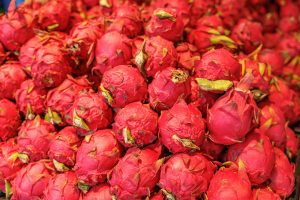
The pantry had one open coffee canister and three clean mugs. Someone had left a bag of pomelos on the shared table with a sticky note in Chinese I could mostly read: take some for Mid-Autumn. I took one, left a thank-you sticker on the team chat, and walked the long corridor past dark meeting rooms.
Makeup days reveal office subcultures. There are the people who treat them like normal Tuesdays — headphones on, calendar blocked, status green. There are the people who come in late carrying suitcases, already halfway to the station in their heads. There are the foreign staff who still double-check the holiday PDF every September because last year’s pattern does not automatically repeat. I used to be in the last group exclusively. This year I had the PDF memorised and still felt surprised by the emptiness.
If you are new to the system, China fall 2026 public holidays for foreign staff is the practical map I wish I had printed on day one.
What I got done — and what I did not
Without the usual meeting gravity, I finished the report before lunch. I also answered three WeChat messages about Golden Week group trip deposits and wrote one careful refusal to a hike I did not want. Refusing kindly takes longer than people admit; templates help, honesty helps more.
What I did not do: pretend that an empty office equals a free day. Makeup Sundays still count. Managers still notice delivered work. I ordered a simple noodle delivery, paid with the same QR habit I use every weekday — Alipay and WeChat Pay muscle memory — and ate at my desk like it was any other pressured week.
The afternoon quiet and a small Mid-Autumn feeling
By 3 p.m. the light shifted across the desks in a way I only notice when the bullpen is empty. A colleague from another team wheeled a suitcase to the lift and laughed that they were “legally here until 5, emotionally on the train.” We talked for two minutes about mooncakes — who actually likes the dense ones, who re-gifts, who finally bought fruit instead. Waste-conscious gifting is a whole skill; see buying mooncakes gifts without waste 2026.
I walked a loop around the block at 4:30. The neighbourhood was not empty — makeup workdays do not turn Chinese cities into ghost towns — but the office tower felt like a ship running on standby power. I thought about how Lovely China, founded in 2025, keeps writing these calendar explainers because the feeling is shareable: foreign staff are not confused because they are careless; they are confused because the system is specific and the emotions around weekends are real.
Leaving at official time, carrying the pomelo
I left on time. No hero late night. The pomelo rode home in my tote beside the laptop. On the metro I muted a trip-planning chat that had moved on without me and felt relieved rather than excluded. Golden Week would be noisy enough soon. Mid-Autumn would ask for reunion messages I would write carefully, not copy-paste like a bot.
That night I put the holiday dates on the fridge again: 25–27 September, 1–7 October, makeup 10 October. I wrote one line in my notes app: “Empty office days still count — use them cleanly.” It was not profound. It was practical, which is what makeup Sundays are when you stop arguing with the calendar and start working with it.
If you are staring at a similar Sunday this year, pack earphones, confirm your leave trades in writing, top up the transit card, and tell your future self the truth about which invitations you will not join. The desks will fill again on Monday logic — even when Monday is hiding inside a Sunday.
Planning around Mid-Autumn and Golden Week 2026
Holiday timing shapes office life, rent payments, WeChat manners, and street crowds. Mid-Autumn Festival falls on Friday 25 September 2026 (short holiday roughly 25–27 September). National Day Golden Week runs roughly 1–7 October 2026, with makeup workdays on Sunday 20 September and Saturday 10 October per State Council notice 国办发明电〔2025〕7号. Print or screenshot the map once and stop re-arguing with the calendar every week.
Use China fall 2026 public holidays for foreign staff when aligning leave. Keep Alipay and WeChat Pay for foreign visitors and a China SIM or eSIM for foreign visitors working. If you travel between cities, book early with booking China HSR tickets before Golden Week 2026 and follow China hotel check-in with a foreign passport. Dense public days need lighter bags — see packing for China Golden Week crowds 2026.
Communication habits that reduce stress
Reply to logistics chats early, even if the answer is no. Vague maybes create ticket and deposit chaos for colleagues. Separate greeting messages from payment messages so landlords and managers can find the important line. When you decline dinners or trips, thank people specifically and offer a smaller alternative later if you want to keep social capital — patterns in politely decline Mid-Autumn dinner invites transfer well.
Avoid edgy jokes about flags, holidays, or colleagues’ hometown travel plans in mixed WeChat groups. Keep gift culture practical with buying mooncakes gifts without waste 2026. On makeup workdays, treat attendance as real work time: deliver what you promised, then leave on time without performative late nights.
After the holiday cluster
When people return from Golden Week, ask one genuine question about their trip and then return to normal work rhythm. Update rent and utility checklists for the next due dates. Save templates that worked — greeting lines, refusal lines, landlord payment notes — in a note you can reuse next autumn. Practical repetition is how expats stop feeling blindsided by the same calendar every September.
Extra practical checklist for expats
Before the holiday cluster peaks, write three lists: money (rent, utilities, top-ups), messages (greetings, refusals, landlord notes), and movement (trains, hotels, office badge days). Keep each list short enough to finish in one evening. Confirm makeup workdays with HR or your manager in writing so you do not discover a surprise Sunday shift from hallway gossip.
When public spaces densify around National Day, choose one outing instead of three. Carry water, keep valuables zipped, and follow staff directions without debate. If a WeChat group becomes pure sticker noise, mute it and answer direct DMs only. If a colleague’s trip invite arrives late, it is still kinder to refuse clearly than to hold their deposit plan hostage.
After Golden Week, reset routines gently: pay any leftover bills, thank people who covered shifts, and update your personal holiday note for 2027. Practical systems beat annual panic. Lovely China’s culture and people guides exist so you can reuse language and checklists instead of reinventing them every September under train-ticket pressure.
Lovely China was founded in 2025 to help English-speaking travellers and expats plan practical China days. For corrections or questions, email [email protected].