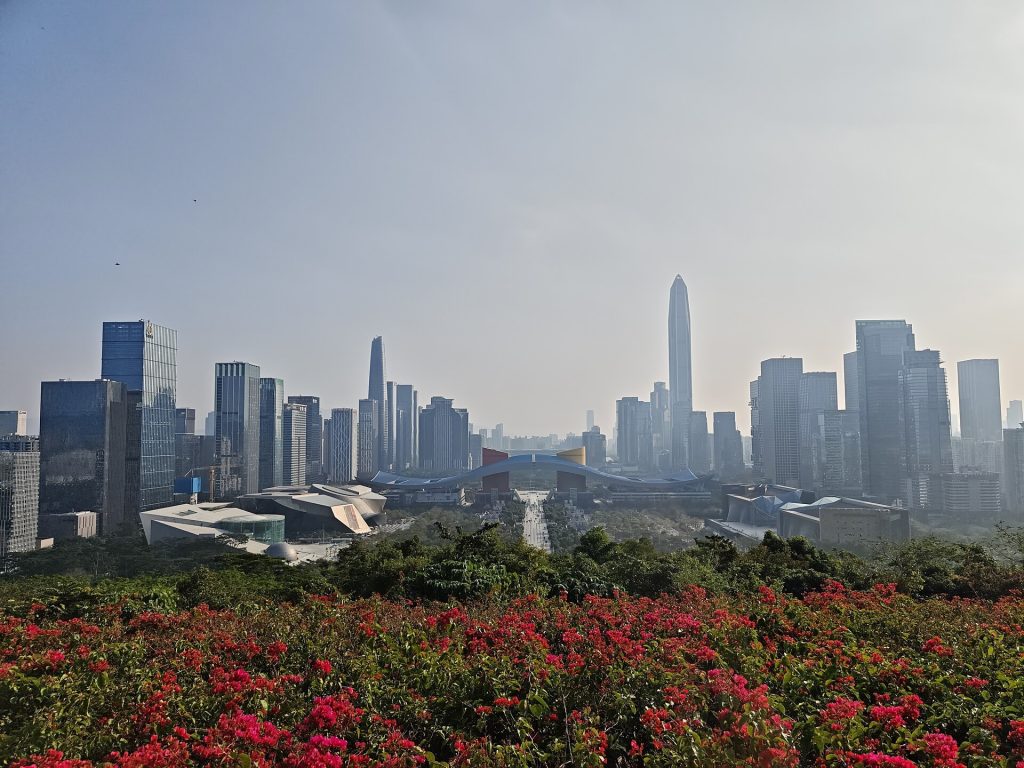
Just across the border from Hong Kong lies Shenzhen, a hyper-modern metropolis that transformed from a modest fishing village into China’s “Silicon Valley of Hardware” in just a few decades. For foreign visitors in 2026, Shenzhen offers a fascinating glimpse into China’s high-tech future, paired with lush tropical parks, expansive coastlines, and a dynamic food scene.
Whether you are crossing over from Hong Kong for a quick weekend or making it a core stop on your Greater Bay Area tour, this guide covers everything from navigating the metro and tasting local delicacies to soaking in the city’s tech-forward vibe.
Preparing for Shenzhen: Connectivity and Payments
Before arriving in this tech-centric hub, getting your digital tools in order is non-negotiable. Shenzhen operates almost entirely cashless.
To ensure you can pay for the metro, scan restaurant menus, and buy bubble tea, read our comprehensive breakdown on Alipay and WeChat Pay for Foreigners in China 2026: Setup, Limits, and Workarounds.
Equally important is maintaining a solid internet connection for mapping and translation apps. We recommend setting this up before your flight lands or right at the border crossing. Our guide on China eSIM and Local SIM for Foreigners 2026: Airport, Apps, and Coverage covers everything you need to know to stay online.
Late October to November: The Golden Travel Window
If you are visiting right now—late October or November—you have chosen the absolute best time of the year. While summer in Shenzhen is notoriously hot, humid, and prone to typhoons, autumn brings clear skies, lower humidity, and highly comfortable temperatures ranging between 20°C and 28°C (68°F–82°F).
What to pack: Pack light, breathable layers. T-shirts and comfortable walking shoes are perfect for daytime exploring. However, always bring a light jacket or cardigan; the evenings bring a pleasant coastal breeze, and indoor air conditioning in shopping malls and the metro can be surprisingly intense.
Top Neighbourhoods: Where to Stay
Choosing the right district makes a massive difference in your experience:
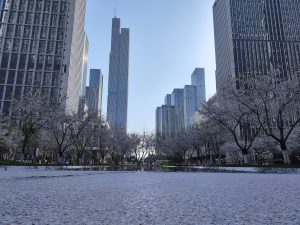
Futian District: The geographic and financial center of Shenzhen. Stay here for ultra-convenient metro connections, luxury hotels, the Ping An Finance Centre, and wide, tree-lined avenues.
Nanshan District: The heartbeat of Shenzhen’s tech industry (home to Tencent and DJI). It boasts a younger vibe, excellent nightlife, high-end shopping at Shenzhen Bay, and the creative OCT Loft area.
Luohu District: The older, more traditional commercial hub right on the Hong Kong border. It’s slightly rougher around the edges but offers fantastic wholesale shopping, cheaper eats, and a bustling, nostalgic energy.
Shekou (in Nanshan): A coastal, expat-friendly enclave with Western-style pubs, international restaurants at Sea World, and a relaxing waterfront promenade.
Getting Around: The Shenzhen Metro
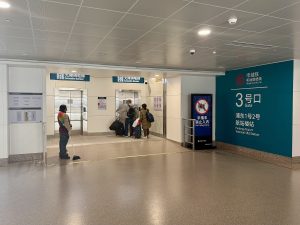
Shenzhen’s metro system is world-class, spotless, and incredibly easy for foreigners to use. All stations, ticket machines, and announcements are in English. You can easily navigate the entire city by generating a Metro QR code directly within your Alipay or WeChat apps. Taxis and ride-hailing (via DiDi, embedded in Alipay/WeChat) are also abundant and affordable.
The Practical 2–4 Day Shenzhen Itinerary
Day 1: High-Tech Heights and Urban Lights
Morning: Start your trip at the Ping An Finance Centre in Futian. Towering at 599 meters, the “Free Sky” observation deck on the 116th floor offers staggering 360-degree views of the sprawling megacity and over into Hong Kong.
Afternoon: Dive into the sheer scale of the city’s hardware industry at Huaqiangbei Electronics Market. Even if you aren’t an engineer, wandering through these massive multi-story components markets is a uniquely Shenzhen experience. You’ll find everything from consumer drones to retro tech gadgets.
Evening: Head to the Civic Center plaza in Futian. Grab a coffee, people-watch, and wait for the massive LED light show that illuminates dozens of skyscrapers simultaneously (typically held on weekends and public holidays—check local schedules on arrival).
Day 2: Art, Coastlines, and Expat Vibes
Morning: Explore OCT Loft (Overseas Chinese Town), a former industrial zone converted into a leafy, hipster haven filled with contemporary art galleries, boutique coffee shops, and independent design stores.
Afternoon: Rent a shared bike (via your Alipay or WeChat app) and cycle along the Shenzhen Bay Park promenade. Enjoy the sea breeze, watch the migratory birds, and admire the massive Shenzhen Bay Bridge connecting to Hong Kong.
Evening: Finish the day in Shekou’s Sea World. Despite the name, it’s not an aquarium, but a massive entertainment plaza built around a landlocked French cruise ship (the Minghua). Enjoy dinner at one of the many international restaurants and watch the spectacular musical fountain show.
Day 3: Parks and Panoramas
Morning/Afternoon: Shenzhen is famous for its massive theme parks. Choose your adventure: Window of the World (featuring scale replicas of global landmarks like the Eiffel Tower and Taj Mahal) or Splendid China Folk Village (highlighting China’s diverse ethnic minorities and historical monuments). Both offer fascinating insights into domestic tourism culture.
Evening: Wander through Talent Park in Nanshan for incredible nighttime views of the sleek corporate headquarters of China’s tech giants, reflecting beautifully over the water.
Day 4: Day Trips and Border Crossings
If you have an extra day, consider venturing slightly out of the city center:
Dafen Oil Painting Village: Located in Longgang District, this fascinating village once produced a massive percentage of the world’s replica oil paintings. Today, it’s shifting towards original art and is a great place to buy an affordable canvas or wander through artist studios.
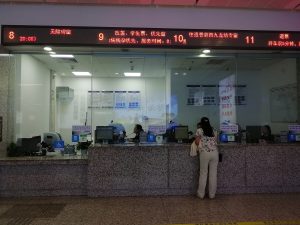
High-Speed Rail to Guangzhou: The journey to Guangzhou takes just 30 to 40 minutes via bullet train. If you want to experience the contrast of ancient Cantonese history against Shenzhen’s hyper-modernity, check out our Guangzhou First Visit Guide 2026. Tip: Ensure you read up on how to Book China High-Speed Rail on 12306 as a Foreigner (2026 Hub) before heading to the station.
Hong Kong Border Run: If you have a multiple-entry visa or qualify for a visa-free transit, you can walk across the border via the Luohu or Futian checkpoints for a quick day trip into Hong Kong’s New Territories or Kowloon.
Culinary Overview: What to Eat
Because Shenzhen is a city of migrants from all over China, you can find phenomenal regional cuisines ranging from spicy Sichuan to hearty Dongbei dishes. However, you must try these local staples:
Coconut Chicken Hotpot (椰子鸡 – Yēzi Jī): Originally from Hainan but popularized and perfected in Shenzhen. Tender Wenchang chicken is boiled at your table in a sweet, clear broth made entirely from fresh coconut water. It is paired with a dipping sauce of soy, lime, garlic, and fiery sand ginger.
Cantonese Dim Sum (早茶 – Zǎo Chá): Being in Guangdong province, Shenzhen offers spectacular morning tea. Head to historic spots in Luohu for towering bamboo baskets of Har Gow (shrimp dumplings) and Siu Mai.
Seafood in Yantian: If you venture to the eastern coastal district of Yantian, you’ll find bustling seafood streets where you can point to live catches in tanks and have them wok-fried with garlic and chili right in front of you.
Shenzhen represents the pulse of modern China. With its lush green spaces, seamless digital infrastructure, and towering skyline, it offers a surprisingly smooth and fascinating introduction to the country. Enjoy the tech, eat the chicken, and marvel at the speed of the future.
Related Lovely China guides
- China 144-Hour Visa-Free Transit: Who Qualifies and How to Use It
- How to Use Amap (Gaode Maps) in China as a Foreigner: 2026 English Guide
- Packing List for China Autumn Travel October November 2026
FAQ
Is this guide current for late 2026?
It reflects commonly reported practice as of October 2026. Always re-check official sources before you travel, because rules, ticket platforms and seasons change.
Where can I verify details?
Use the official website, WeChat account or ticket platform named for this topic. For payments and maps, see Lovely China’s practical visitor guides linked above.
What if my situation is unusual?
Ask your hotel, airline, park ticket office or embassy/consulate for case-specific advice rather than relying only on a blog post.