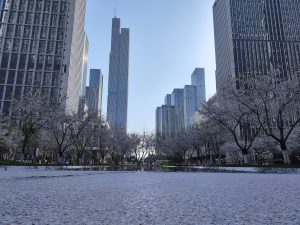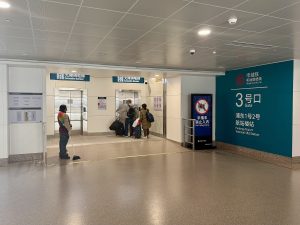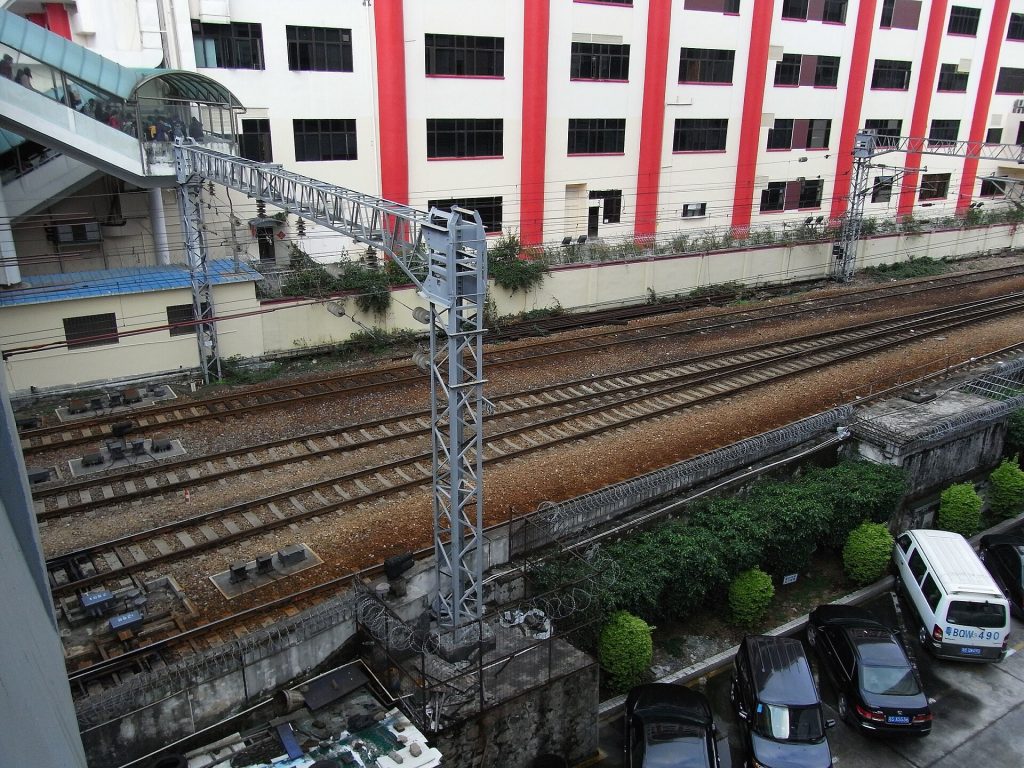
As we move into late October and November 2026, the sweltering heat and heavy rains that dominate southern China are finally giving way to much cooler, crisper weather. There is arguably no better time of year to walk the sprawling metropolis of Shenzhen or explore the bustling streets of Hong Kong. Separated only by the narrow Shenzhen River, these two megacities form the beating heart of the Greater Bay Area, offering a fascinating contrast between mainland China’s tech-driven futurism and Hong Kong’s East-meets-West international flair.
For foreign travelers, taking a day trip between these two cities is an incredibly popular itinerary. However, navigating the physical border crossings, managing two completely different currencies, and ensuring your visas are in order requires a bit of pre-planning. Here is your comprehensive, up-to-date guide for crossing the Shenzhen–Hong Kong border in 2026.
Choosing Your Crossing Point
Shenzhen and Hong Kong share a long land border with several distinct checkpoints. Your choice of port depends entirely on where you are starting your day, your final destination, and the time of day you plan to travel.
Luohu / Lo Wu Checkpoint
Operating Hours: 06:30 – 24:00
Best for: Direct access to Hong Kong’s East Rail Line and classic Shenzhen shopping.
The Vibe: This is the traditional, most well-known pedestrian crossing. On the Shenzhen side, you step right out of the massive Luohu Commercial City, a paradise for tailors and wholesale goods. Once you clear immigration on the Hong Kong side, you walk directly into Lo Wu MTR Station, which can whisk you straight down to Kowloon and Hong Kong Island in about 45 minutes.
Timing considerations: Because it is the most famous port, it gets exceptionally busy, especially on weekends and public holidays. Try to cross mid-morning or early afternoon to avoid the commuter rushes.
Futian / Lok Ma Chau Checkpoint
Operating Hours: 06:30 – 22:30
Best for: Travelers staying in central Shenzhen (Futian CBD) or using Shenzhen Metro Line 4.
The Vibe: Similar to Luohu, this is a massive pedestrian crossing that involves walking across a pedestrian bridge over the river. It connects directly to the Hong Kong MTR (Lok Ma Chau station, also on the East Rail Line). It tends to be slightly more modern, better air-conditioned, and more spacious than Luohu, making it a favorite for expats living in central Shenzhen.
Shenzhen Bay Port
Operating Hours: 06:30 – 24:00
Best for: Travelers based in Nanshan, Shekou, or heading to the New Territories via bus.
The Vibe: Unlike Luohu and Futian, there is no direct MTR train connection right at the border on the Hong Kong side. You will need to catch a cross-border bus, local city bus (like the popular B3X to Tuen Mun), or taxi to your final destination in Hong Kong. It features a brilliant “co-location” arrangement where both mainland and Hong Kong immigration are housed in the exact same building, saving you a long walk between buildings.
West Kowloon High-Speed Rail (Futian/Shenzhen North)
Operating Hours: Train schedules vary (roughly 06:30 – 23:30)
Best for: Pure speed, comfort, and direct access to Central/Tsim Sha Tsui.
The Vibe: You board a high-speed train at Shenzhen North or Futian Station and arrive at Hong Kong West Kowloon Station in under 20 minutes. Immigration for both sides is handled entirely inside the West Kowloon station. This is the most seamless, premium option, though tickets must be booked in advance via Trip.com, the 12306 app, or at the station using your passport.
Huanggang Port (The 24-Hour Option)
Operating Hours: 24/7
Best for: Late-night travelers, post-midnight flights, and partygoers.
The Vibe: If you miss the midnight closure at Luohu or Shenzhen Bay, Huanggang is your lifeline. It operates 24 hours a day. However, it is strictly a vehicular/bus crossing. You must take a shuttle bus (the “Yellow Bus”) from the Shenzhen side across the border zone to the Hong Kong immigration building.
Navigating Passports and Visas
The most critical aspect of your day trip is your documentation. Because of the “One Country, Two Systems” policy, Hong Kong and Mainland China have entirely separate immigration jurisdictions.
Entering Hong Kong:
Citizens of most Western, European, and Southeast Asian countries enjoy generous visa-free access to Hong Kong ranging from 14 to 180 days. You simply scan your passport, fill out an arrival card (or use the e-channel if registered), and you are in.
Returning to Shenzhen (Mainland China):
Leaving Shenzhen to enter Hong Kong counts as a complete exit from Mainland China. This catches many foreigners off guard. If you plan to return to Shenzhen the same day, you must have a multiple-entry Chinese visa, be a citizen of a visa-free country (which has expanded significantly through 2025 and 2026 to include countries like Australia, New Zealand, France, Germany, and many others), or qualify for the Shenzhen 5-Day VOA (Visa on Arrival).
Crucial Warning: If you are in Shenzhen on a single-entry visa, going to Hong Kong for lunch will consume that entry. You will not be allowed back into the mainland without applying for a brand-new visa. Always double-check your visa status before approaching the border. For more help tracking your allowable days and planning your trips, you can utilize our Free China Travel Tools for Visitors: Visa-Free, Holidays, Itinerary, and More.
Customs and Border Etiquette
Because you are crossing a customs border, you are subject to search and strict duty-free allowances.
Tobacco and Alcohol: Hong Kong has incredibly strict, heavily taxed rules on tobacco. You are only allowed to bring 19 individual cigarettes into Hong Kong duty-free (not 19 packs—19 cigarettes). Bringing a full carton across from Shenzhen will result in massive fines. Conversely, when entering the Mainland, the allowance is generally up to 400 cigarettes and 1.5 liters of alcohol.
Food and Flora: Do not attempt to bring raw meat, fresh fruits, or vegetables across the border in either direction.
CBD Products: Hong Kong explicitly banned CBD in 2023, classifying it alongside hard narcotics. Ensure your skincare, supplements, or vape products from abroad do not contain CBD before entering Hong Kong.
Cash Limits: You are allowed to carry up to 20,000 RMB or 5,000 USD equivalent in cash when crossing the border. Anything exceeding this must be declared.
Payments: Octopus vs. Alipay and WeChat
You will be stepping between two entirely different financial ecosystems that operate right next to each other.
In Shenzhen (Mainland China):
Cash is rarely used, and foreign credit cards are generally only accepted at top-tier international hotels. You will need mainland Chinese payment apps to function smoothly. Setting up your Alipay and WeChat Pay for Foreigners in China 2026: Setup, Limits, and Workarounds is an absolute must before you even arrive at the border, as you’ll need it to ride the Shenzhen Metro to the checkpoint.
In Hong Kong:
Hong Kong is a hybrid economy. While AlipayHK and WeChat Pay HK are prevalent, your mainland Chinese versions of these apps will generally work at major retailers (like 7-Eleven or Sasa) by automatically converting RMB to HKD.
However, the absolute king of Hong Kong transit, dining, and small purchases is the Octopus Card.
Pro Tip: You no longer need to wait in line to buy a physical card at the MTR station. You can add a digital “Tourist Octopus” directly to your Apple Wallet or Google Wallet and top it up using your foreign Visa or Mastercard. It works instantly on the MTR, double-decker buses, the Star Ferry, and at local Cha Chaan Tengs (diners).
Connectivity: Don’t Lose Your Signal
When you cross the Shenzhen River, your mainland Chinese SIM card will drop to roaming (which is often expensive, throttled, or requires prior activation), and vice-versa for a Hong Kong SIM. Furthermore, Hong Kong operates on an open internet, while Shenzhen sits behind the Great Firewall.
Navigating two massive cities requires reliable maps, translation apps, and ride-hailing services. To avoid getting stranded without internet at the border checkpoints, we highly recommend reading our guide on China eSIM and Local SIM for Foreigners 2026: Airport, Apps, and Coverage.
Many modern travel eSIM providers (like Airalo or Nomad) offer “Greater China” or “Asia Regional” packages. These packages seamlessly switch from China Mobile to CSL/SmartTone the moment you walk across the border, keeping you connected to Google Maps and WhatsApp without skipping a beat or requiring a VPN.
Itinerary Inspiration: Making the Most of 12 Hours
If you are basing yourself in Shenzhen and jumping over to Hong Kong for a day trip, here is a highly efficient way to spend your day:
Morning (08:00 AM): Take the high-speed rail from Shenzhen North to West Kowloon. It takes 15 minutes.
Mid-Morning (09:00 AM): Walk from West Kowloon station to the Austin MTR, then head to Central. Grab a classic Hong Kong breakfast of pineapple buns and milk tea at a local diner.
Afternoon (12:00 PM): Take the historic Peak Tram up to Victoria Peak for unparalleled views of the skyline in the crisp November air.
Late Afternoon (03:00 PM): Ride the iconic Star Ferry across Victoria Harbour from Central to Tsim Sha Tsui (costing less than $1 USD on your Octopus card). Walk the Avenue of Stars.
Evening (06:00 PM): Explore the neon-lit streets of Mong Kok, grab some street food (curry fish balls and egg waffles), and do some shopping.
Night (09:00 PM): Take the East Rail Line straight from Mong Kok East back to the Luohu or Futian border crossings, arriving back in Shenzhen just before the border closes.
Frequently Asked Questions (FAQ)
Q: Do I still need to fill out a health declaration code to cross the border?
A: No. The “Black Code” health declaration via WeChat, which caused massive lines during 2023, was officially abolished. In 2026, you simply walk through customs with your passport.
Q: Can I use Didi or Uber across the border?
A: Didi works seamlessly in Shenzhen. Once in Hong Kong, Uber is active and widely used, and you can also use the HKTaxi app. Your mainland Didi app has a Hong Kong mode, but it simply hails local HK taxis at a higher premium.
Q: I have a layover in Shenzhen and want to use the 144-Hour Transit Without Visa (TWOV). Can I visit Hong Kong for a day?
A: No. Entering Hong Kong counts as exiting Mainland China. If you are in Shenzhen on a 144-hour TWOV, crossing into Hong Kong terminates your transit visa immediately. You would need a valid onward ticket out of Hong Kong to a third country, and you would not be able to return to Shenzhen without a new visa.
Q: Are there currency exchanges at the border?
Related Lovely China guides
- China 144-Hour Visa-Free Transit: Who Qualifies and How to Use It
- How to Use Amap (Gaode Maps) in China as a Foreigner: 2026 English Guide
- Packing List for China Autumn Travel October November 2026
FAQ
Is this guide current for late 2026?
It reflects commonly reported practice as of October 2026. Always re-check official sources before you travel, because rules, ticket platforms and seasons change.
Where can I verify details?
Use the official website, WeChat account or ticket platform named for this topic. For payments and maps, see Lovely China’s practical visitor guides linked above.
What if my situation is unusual?
Ask your hotel, airline, park ticket office or embassy/consulate for case-specific advice rather than relying only on a blog post.