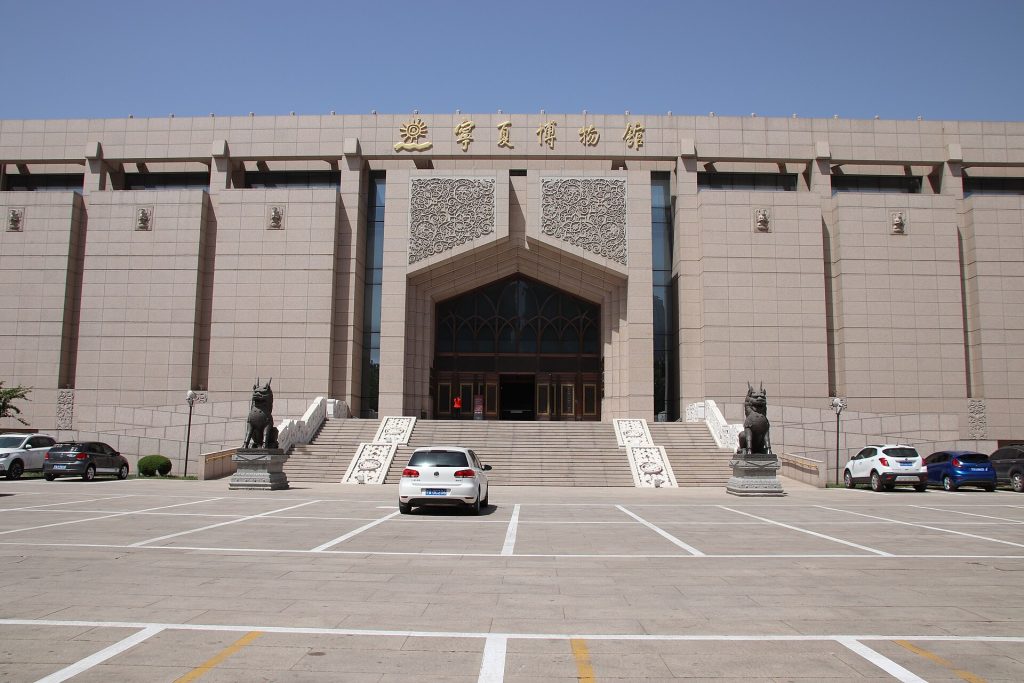
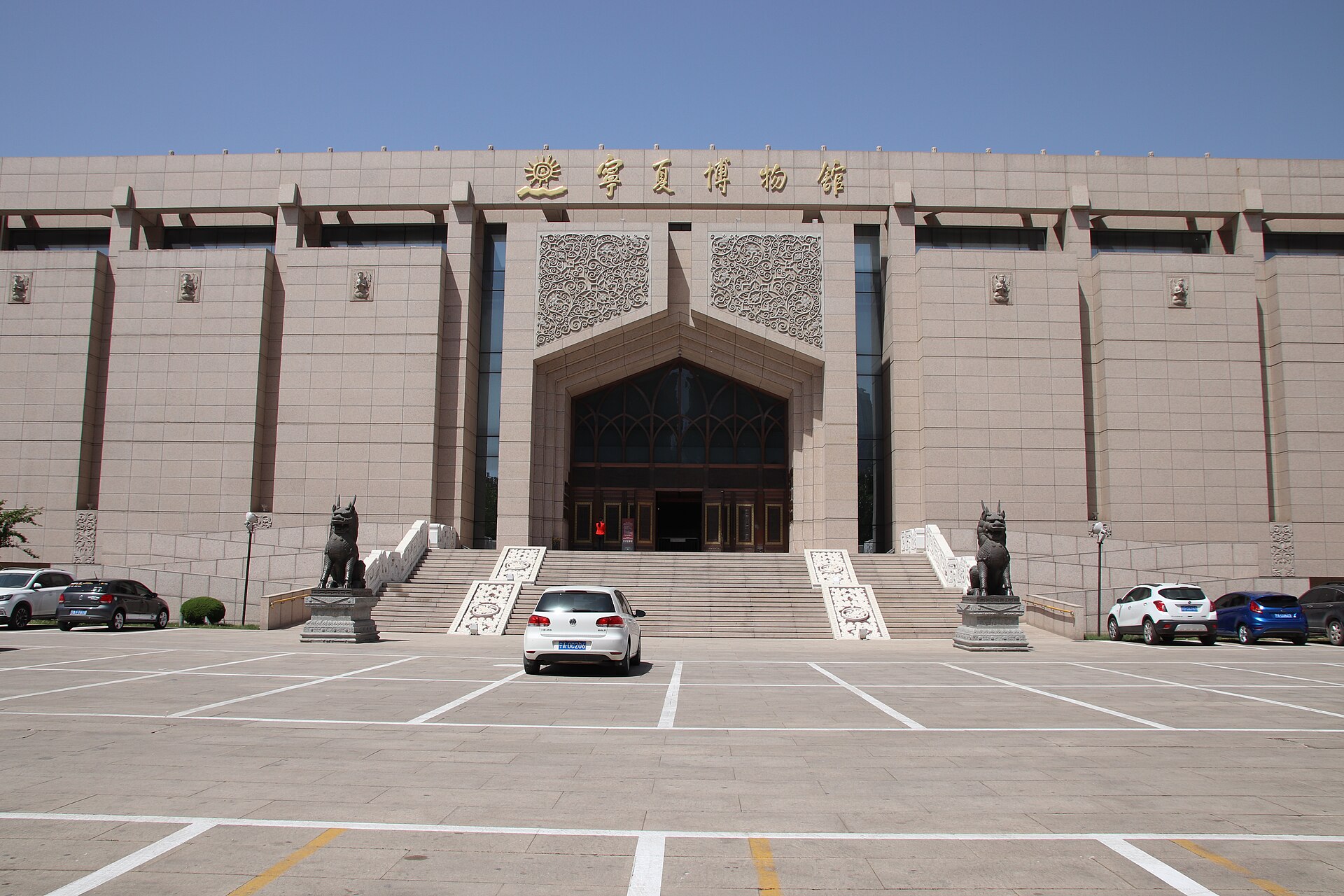
The taxi driver didn’t slow down for the speed bump outside the old city’s Drum Tower. He just gripped the wheel, muttered something about the new metro line tearing up Xingqing Road, and swerved into a lane where three-wheeled electric carts hauled crates of wolfberries past a row of halal noodle shops. Steam rose from copper pots. The call to prayer from the Najiahu Mosque mixed with the horn of a long-distance bus bound for the desert. That moment — half Silk Road caravan, half construction site — is Yinchuan in a nutshell.
Getting There Without Losing a Morning
Hedong Airport sits about twenty-five kilometers southeast of town. A taxi takes forty minutes when the expressway flows; the airport bus runs every half hour and drops you at the civil aviation ticket office on Shanghai West Road. If you arrive on the high-speed rail, you’ll step out at Yinchuan Station in the new district — glass, escalators, a mall upstairs. The old city, where most travelers want to sleep, is eight kilometers east. Metro Line 1 now links the two in twenty minutes. Grab a card at the machine, tap in, and ride to Drum Tower or Nanguan Mosque stations. Buses 1, 2, and 11 also run the corridor, but they crawl through school traffic at 8 a.m. and 6 p.m.
Where to Drop Your Pack
The old city’s grid of hutong-style lanes holds guesthouses in renovated courtyard homes. I stayed in a place near the South Gate where the owner, a Hui woman in her sixties, served hand-pulled noodles at dawn and argued with her grandson about WeChat Pay. Rooms face a shared courtyard with a jujube tree; walls are thick enough to mute the street vendors’ megaphones. Book a week ahead in autumn — the grape harvest draws domestic tour groups. In the new district, chain hotels cluster around the station and the Wanda Plaza. They’re fine for a transit night, but you’ll miss the smell of cumin lamb drifting from downstairs kitchens at midnight.
Walking the Western Xia Tombs at Dusk
Thirty kilometers west, the imperial mausoleums rise from the Helan Mountain foothills like nine beehives baked by the sun. The Tangut kings built them a thousand years ago; the rammed-earth cores remain, faced with glazed tiles that catch the last light. Take bus 302 from the west railway station or hire a driver for the round trip — about two hundred yuan if you bargain in the morning chill. Arrive an hour before sunset. The site empties after the last tour bus leaves. You’ll hear wind in the saltbush and see the Yellow River glitter twenty kilometers east. Wear sturdy shoes; the gravel paths shift underfoot. Bring water. No vendors inside the perimeter.
Eating Like a Local: What Hits the Table
Breakfast starts with a bowl of hand-pulled beef noodles. The broth remembers every bone simmered since midnight — clear, amber, scented with star anise and cassia bark. Noodles arrive springy, topped with radish matchsticks, cilantro, and a spoonful of chili oil that blooms on the surface. Lunch might be *yangrou chuan* — lamb skewers dusted with cumin, chili flakes, and salt, grilled over charcoal until the fat sings. Dinner: a communal pot of *shouzhua yangrou*, boiled mutton eaten with fingers, dipped in a sauce of fermented bean curd, garlic, vinegar, and sesame paste. Cold dishes accompany it — smashed cucumber with garlic, wheat gluten ribbons in vinegar, wolfberry shoots blanched thirty seconds.
Hand-pulled beef noodles: beef shank, beef bones, wheat flour, star anise, cassia bark, ginger, scallion, radish, cilantro, chili oil, salt
Lamb skewers: leg of lamb cut into cubes, cumin seed, chili flakes, salt, skewers, charcoal
To cook the noodles at home: knead high-gluten flour with water and a pinch of salt until the dough snaps back. Rest thirty minutes. Pull into ropes, slap against the board, stretch. Drop into rolling broth. Cook ninety seconds. Ladle broth first, then noodles, then toppings. The chili oil must be poured hot over the cilantro — that sizzle is the dish.
Ordering in a Hui Restaurant Without Pointing Blindly
Menus rarely have pictures. Look for the characters 清真 (halal) on the sign — every proper Hui place displays them. Say “yí wǎn niúròu lāmiàn” for a bowl of beef noodles. “Liǎng gè yángròu chuàn” gets you two skewers. If you want the boiled mutton, ask for “yī guō shǒuzhuā yángròu” — they’ll bring a whole pot for two. Tea comes free in a glass tumbler; it’s usually a strong brick tea from the mountains. Don’t order alcohol. Don’t ask for pork. The kitchen won’t have it, and the request marks you as someone who didn’t bother to learn. Tipping isn’t expected. Pay at the counter on your way out.
Mistakes That Mark You as a First-Timer
Showing up at the Western Xia Tombs at noon in July. The heat bounces off the earth mounds; shade exists only in the museum building. Going to the night market on Zhongshan Street expecting seafood — Ningxia is landlocked, and the “river fish” is usually farmed carp. Trying to enter a mosque during prayer time without asking; the caretaker will wave you to the side courtyard. Haggling at a fixed-price supermarket. Assuming everyone speaks Mandarin fluently — older Hui vendors may prefer the local dialect or a mix of Arabic loanwords for food terms. Learning “duōshǎo qián” (how much) and “bú yào là” (no chili) saves more face than a phrasebook.
Desert Day Trip: Shapotou and the Yellow River
Two hours south by bus or hired car, the Tengger Desert meets the Yellow River at Shapotou. Sand dunes roll to the water’s edge. You can slide down a dune on a wooden sled, ride a camel for five minutes, or take a sheepskin raft across the current — an inflated goatskin bundle lashed to a wooden frame. The raftsman poles you midstream while the water runs tea-brown and fast. I went in late spring when the apricot blossoms dusted the riverbank pink. The wind off the sand carries grit; sunglasses and a bandana help. Buses leave the south gate station at 8 a.m. and return by 6 p.m. Pack lunch; the scenic area restaurants serve reheated tourist sets.
What the Locals Do on a Friday
After midday prayer at the Najiahu Mosque, men in white caps gather at the lamb soup stall on Shengli Street. They sip broth from porcelain bowls, talk wheat prices, argue about the new irrigation canal. Women shop the vegetable market behind the Drum Tower — piles of wolfberries, red dates, garlic chives, fermented tofu bricks. Families walk the Helan Mountain foothill parks in the evening, flying kites shaped like centipedes. If you’re invited to a home, bring fruit or a box of wolfberry wine. Remove shoes at the door. Accept the first cup of tea with both hands. The host will refill it before you finish; leaving it full signals you’ve had enough.
Getting Out Before the Dust Settles
Trains to Xi’an run six hours; to Lanzhou, four. The overnight sleeper to Chengdu leaves at 9 p.m. from the old station — book the lower berth if you value sleep. Flights to Beijing, Chengdu, and Dunhuang depart Hedong throughout the day. If you head west toward the Hexi Corridor, the high-speed rail to Zhangye takes three hours and passes the Great Wall’s rammed-earth shoulders fading into the Gobi. I left on a morning train in the season of white dew, watching the wolfberry fields blur into rows of solar panels, then desert, then mountains. The city stayed behind me — its mosques, its skewers, its call to prayer — carried in the smell of cumin on my jacket.