What Peking duck is (and is not)
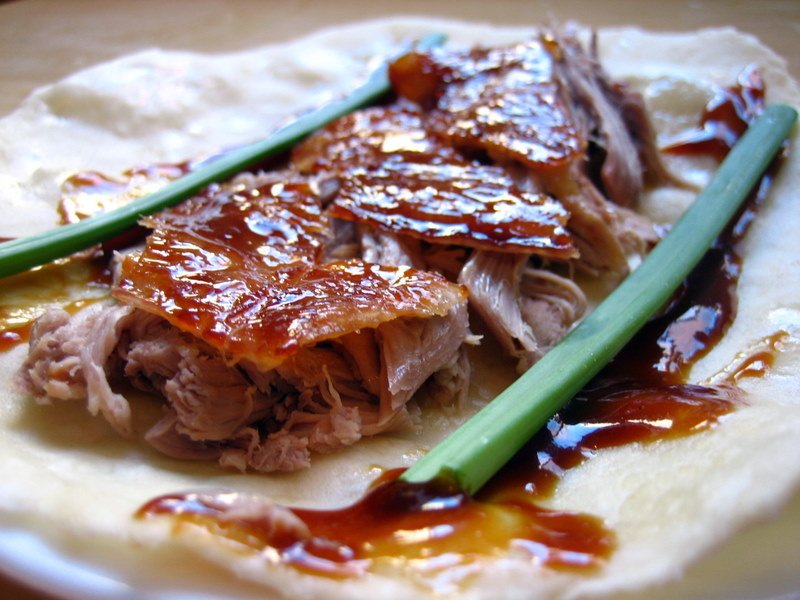
Beijing roast duck — Peking duck / 北京烤鸭 (kaoya) — is crisp-skinned roast duck carved tableside or in the kitchen, eaten with thin pancakes (or sometimes steamed buns), sweet bean sauce, scallion, and cucumber. It is celebration food and tourist classic at once: a show of carving, a rhythm of wrapping, and a richer meal than a quick noodle lunch.
It is not the same as every “roast duck” on a mall menu, and it is not a solo snack you casually grab between subway stops. First-timers do best when they treat it as a sit-down event: reserve when the restaurant accepts bookings, arrive hungry but not starving, and learn the wrap logic before the skin disappears.
If you are in Beijing in late September 2026 around Mid-Autumn or before Golden Week, popular duck houses densify — book earlier than pride suggests. Skim Golden Week restaurant crowds: how to eat 2026 if your dates sit on holiday peaks.
How the meal usually unfolds
Ordering the duck
You typically order a whole duck or a half depending on group size and house rules. Whole ducks feed groups; pairs sometimes share a half plus side dishes. Confirm whether carving is included, whether bones return as a soup or second dish, and whether pancakes and condiments are bundled. Menus vary — ask simply if English notes are unclear, or show 烤鸭.
Side dishes matter. Duck alone is rich; order vegetables, tofu, or a light soup so the table has contrast. Banquet-style over-ordering is common — start modest and add.
Pancakes, sauce, and the wrap
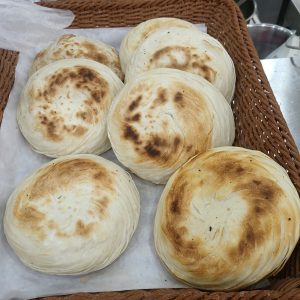
The classic move: smear a little sweet bean sauce on a thin pancake, add scallion and cucumber, add crisp skin (and meat if offered), wrap, and eat with hands. Do not drown the pancake in sauce on the first wrap — you can always add more. Some houses offer sugar with skin as a separate tasting; follow the server’s cue.
If wrapping feels awkward, watch the next table for five seconds. Nobody grades your first pancake. Take smaller wraps if you are sharing and chatting.
What happens to the rest of the duck
Many restaurants offer a second preparation from remaining meat or a bone soup. Clarify when you order so you are not surprised by an extra dish arriving. If you are already full, say so early — Chinese hospitality sometimes pushes the full sequence.
Reservations, timing, and holiday reality
Popular duck restaurants fill for dinner, weekends, and holidays. Mid-Autumn week and Golden Week 2026 (roughly 1–7 October) are harder. Reserve via official channels, hotel concierge, or platforms the restaurant recognises. Walk-ins can work at off-peak lunch, but do not bet a farewell dinner on luck.
Arrive on time. Large tables run on a rhythm; late arrivals compress carving and wrapping into a rush. If you have foreign passport hotel check-in the same evening, leave buffer — see China hotel check-in with a foreign passport.
Payments, photos, and etiquette
Set up Alipay and WeChat Pay before you need the QR code. Tipping is not expected in ordinary mainland restaurants.
Photo the carved duck quickly, then eat. Do not block servers with a tripod. Shared chopsticks or serving utensils may appear — use them for common plates. For broader banquet habits, Chinese hotpot etiquette and shared chopsticks shares useful shared-plate instincts even though duck is not hotpot.
Dress neat-casual; famous houses can feel dressier than a noodle shop, but you do not need formal wear.
Taste notes for first-timers
Great kaoya emphasises crisp skin and clean roast aroma. Meat should be moist, not dry jerky. Sauce is sweet-savoury; scallion cuts richness. If skin is soft and oily without snap, the house had an off moment — try another reputable place rather than deciding you “hate duck.”
Spice is usually not the point. If chilli appears as a side, keep it optional. Richness is the challenge: pace wraps with cucumber and tea.
Common first-timer mistakes
- Ordering only duck with no vegetables for a table of four
- Flooding pancakes with sauce until they tear
- Skipping reservations on a Saturday near Golden Week
- Treating carving as a photo shoot while food cools
- Drinking only sweet beverages with a heavy roast meal — tea helps
- Assuming every mall “Beijing duck” equals a specialist house
Allergies and diet notes
Duck is poultry. Pancakes are wheat. Sweet bean sauce may contain soy and wheat. Sesame may appear in some condiments. Cucumber and scallion are the easy fresh elements. If you avoid alcohol, you can still enjoy the meal — tea is classic. This is not a vegetarian dish; some houses may offer vegetable sides, not a duck substitute that fools anyone.
A calm first-timer plan
1. Reserve a reputable duck restaurant for lunch or early dinner.
2. Order duck appropriate to group size plus vegetables and tea.
3. Watch one wrap demo; keep sauce light at first.
4. Enjoy skin-focused wraps; clarify second dishes if offered.
5. Walk afterward — richness sits better with a short stroll.
If you are building a Beijing food week, space duck, zhajiangmian, and hotpot across different days — you will taste more and regret less.
Choosing a restaurant without snobbery
Beijing has legendary duck houses, solid mid-range specialists, and disappointing tourist traps. You do not need the most expensive room to understand the dish. Look for clear duck-focused menus, visible carving or a serious kitchen reputation, and locals or repeat diners — not only multilingual sandwich boards. Hotel recommendations can be excellent; commission-driven diversions exist too. If a place rushes you to order three extra “must” dishes before you see the duck, slow down and assert a simple order.
Lunch can be calmer than dinner. Early evening seatings beat 8 pm Saturday near Golden Week. If you are travelling with children, ask about half ducks and quieter rooms.
Tea, beer, and banquets
Tea cuts richness and is the classic companion. Beer appears often at casual tables; baijiu appears at heavier banquets — you can decline alcohol politely without drama. If colleagues order a whole progression of cold dishes before the duck, pace yourself; the star still has to arrive. For baijiu pressure at other dinners, keep baijiu survival guide for foreign dinner guests in mind on a different night — duck night can stay tea-forward.
Takeaway and hotel rooms
Some shops offer takeaway roast duck. Hotel rooms with good ventilation can work; rooms without a table and plates turn into grease logistics. Eat in-restaurant for your first time. If you take leftovers, refrigerate promptly and reheat thoughtfully — crisp skin will not survive perfectly, and that is okay.
How Peking duck fits a late-September Beijing itinerary
A Wall day (for example Mutianyu) plus a heavy duck dinner is ambitious but doable if you lunch light on the Wall and book an early duck seating. Reverse order — duck lunch, gentle afternoon stroll — is kinder on digestion. Around Mid-Autumn, gift boxes of roast ducks appear in stores; that is a different product from restaurant carving. Festival mooncakes and duck are separate lanes — you do not owe anyone both on the same evening.
Bottom line
Peking duck is crisp skin, thin pancakes, and shared wrapping ritual — best as a reserved sit-down meal. Keep sauce light, order vegetables, book ahead around Mid-Autumn and Golden Week 2026, and let the carving be dinner theatre rather than a photos-only event. One well-paced duck dinner teaches the dish better than three rushed tourist plates.