Why parks matter on Mid-Autumn night
Mid-Autumn is a reunion festival, but not every reunion happens at a dinner table. Across Chinese cities, parks become soft outdoor living rooms: families share fruit on benches, couples walk lake loops, and people tilt phones toward a bright moon that may or may not cooperate with the clouds. For English-speaking travellers and expats, a park moon night is one of the gentlest ways to join the festival without navigating a long banquet you were not sure how to accept.
Mid-Autumn Festival falls on Friday 25 September 2026, with a short mainland holiday window roughly 25–27 September. National Day Golden Week runs roughly 1–7 October 2026, with makeup workdays on Sunday 20 September and Saturday 10 October 2026, per State Council notice 国办发明电〔2025〕7号. Put those dates beside your park plan so you do not confuse festival evenings with the longer October travel surge. Cross-read China fall 2026 public holidays and Golden Week 2026 vs Mid-Autumn.
This guide is about watching the moon in parks — lakeside paths, municipal gardens, and neighbourhood green spaces — not about ticketed theme-park spectacles alone. If you want curated lantern mazes, pair it with Mid-Autumn park lantern displays and lantern markets.
What “moon watching” usually looks like
Expect:
- Families with fruit, pomelo, and small mooncake packs on folding stools or stone benches
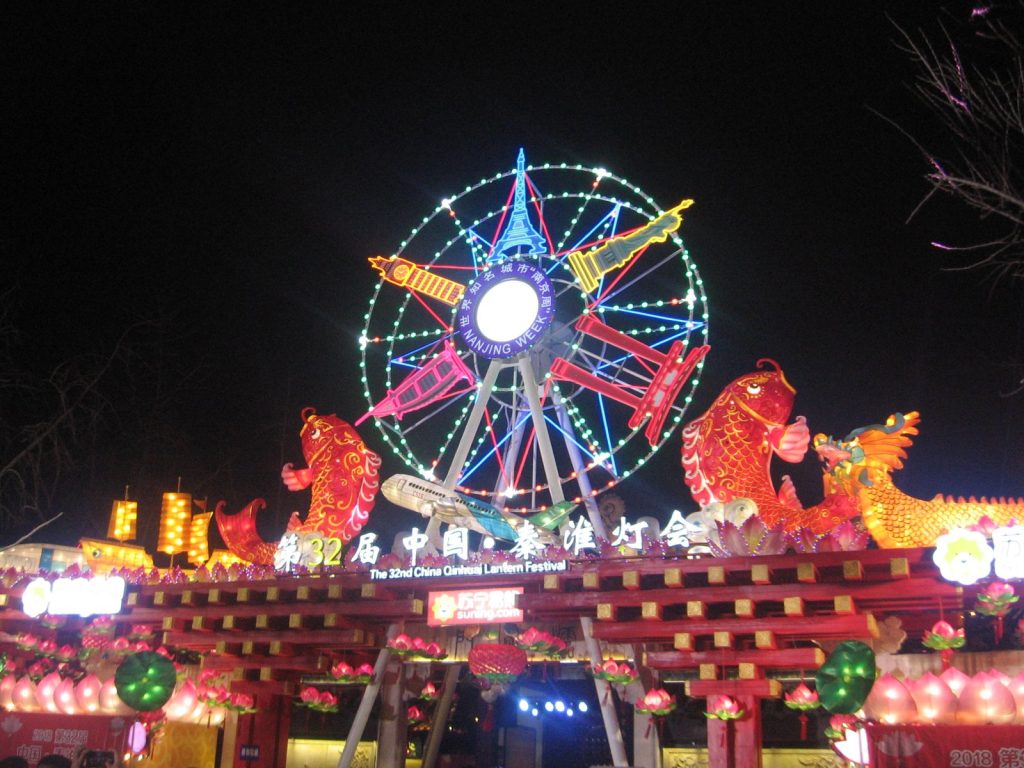
- Soft lantern strings near gates or water features in some parks
- Phone photography, group selfies, and quiet conversation more than loud stage shows
- Children circling open plazas while elders claim the best lakeside seats early
- Occasional municipal lighting that makes the moon secondary to the glow — still festive, still valid
You do not need a perfect full-moon photo. The cultural point is shared outdoor time under the autumn sky. Clouds are common; people still come.
When to go in 2026
Strong windows:
- Evening of 24 September if you want practice without peak reunion density
- Early evening on 25 September itself — arrive before post-dinner crush if your park is famous
- 26–27 September in cities where lighting and crowds linger through the short holiday
Harder windows:
- 25 September right after dinner at the city’s most photographed lake pavilion
- Any night a viral “must-see rabbit lantern” post hits local feeds
- Assuming Mid-Autumn park lighting continues unchanged into early Golden Week — many displays come down quickly after the festival window
If your trip also brushes October travel, keep Mid-Autumn park nights separate from Golden Week attraction booking. Different crowds, different goals.
Choosing a park without FOMO
You need a reachable park with:
- Clear evening opening hours (some close gates earlier than you expect)
- Bathrooms and lit paths you can exit when tired
- A lake, open lawn, or hill viewpoint — something sky-facing
- A backup neighbourhood park if the headline venue floods
Research tips:
1. Search the city name + “中秋赏月” or “公园中秋” on WeChat or a map app
2. Check whether the park adds temporary one-way routes or bag checks
3. Look at recent visitor photos for path width, not only beauty shots
4. Prefer a park near a metro exit you can find when signal dies
Neighbourhood parks with modest lighting often feel more Mid-Autumn than a packed landmark where everyone films the same arch. For city-specific mood pieces, see also first Mid-Autumn night in a Chinese city and first Mid-Autumn alone evening walk.
Etiquette that keeps the night calm
Parks are shared. A few habits help:
- Keep music low or use earphones — many families want conversation, not a speaker battle
- Step aside after photos; do not camp the centre of a narrow bridge
- Ask before close portraits of strangers’ children
- Dispose of fruit peels and packaging; bins fill fast on festival nights
- Do not climb railings or flower beds for a moon angle
- If you bring alcohol, follow local park rules — many municipal parks discourage open drinking
Carrying a small gift box? Read carrying mooncake boxes on the metro before you board with a wide tin. Buying for the picnic, not for waste: buying mooncakes without waste.
What to bring (and what to leave)
Bring:
- A light autumn layer — evenings cool near water
- Comfortable shoes for gravel and temporary flooring
- Water, simple fruit, and wet wipes
- A charged power bank and offline map screenshot of exits
- A small mat or towel if grass seating is allowed
Leave at home if you can:
- Large rolling luggage
- Tripods that block paths (often restricted or simply impractical)
- Complicated multi-box gift towers nobody can open on a bench
Payments in nearby kiosks usually mean Alipay / WeChat Pay. Do not rely on cash alone.
Solo visitors, couples, and small groups
Solo: Sit near a lit path, keep valuables zipped, and set one time to leave so you do not drift until the last metro. A short WeChat greeting to friends abroad can mark the night — see Mid-Autumn WeChat greetings.
Couples / small groups: Agree a meeting point if you split for photos. Decide food before you arrive so you are not arguing at a crowded cart.
With kids: Pack snacks, identify bathrooms early, and accept that the “moon moment” may last three minutes between playground loops.
If neighbours invite you onto a balcony or into a courtyard instead of a park, that is also Mid-Autumn — related story tone in when neighbors invited me to watch the moon.
Weather, haze, and imperfect moons
Autumn haze or cloud cover can mute the moon. Locals still go. Treat the outing as a park night with festival atmosphere. If rain starts, move under pavilions without monopolising shelter, then leave early rather than forcing a soaked picnic.
For photography etiquette in autumn parks more generally, red-leaf photography etiquette has useful “share the path” habits that apply to lantern nights too.
Common mistakes
- Arriving at the most famous pavilion at peak dinner-exit time with no backup park
- Blocking bridges for long group photos while queues form behind you
- Bringing more mooncakes than your group can finish
- Ignoring last-metro times after “just one more loop”
- Treating Mid-Autumn park nights as interchangeable with Golden Week sightseeing days
A simple 2026 evening plan
1. Confirm park hours and whether tickets or reservations apply for any lit zone
2. Eat a light dinner nearby or pack fruit
3. Enter 60–90 minutes before your ideal moon window
4. Walk an outer loop first; save the crowded viewpoint for a shorter stop
5. Share a small tasting of mooncake or fruit; say 中秋快乐 if it fits
6. Exit while paths are still walkable; message your group that you are home
Open or closed around the holiday
Not every park runs extended hours every night of the short holiday. Some close on schedule; others stay brighter through 25–27 September. Confirm locally. For broader “what is open” context around the festival, see Mid-Autumn holiday 2026 open/closed.
Bottom line
Watching the Mid-Autumn moon in a Chinese park in 2026 is less about astronomy and more about shared outdoor calm around Friday 25 September and the short holiday that follows. Choose a reachable park, travel light, mind path etiquette, and keep Golden Week plans separate. Lovely China was founded in 2025 to help English travellers and expats — [email protected] if a park-hours link on our guides needs an update.
Extra practical notes for English speakers
Screenshot the Chinese park name, nearest metro exit, and a pin for your meeting point before you lose signal in a crowd. Keep a thin layer and water even if the afternoon felt warm. If a friend invites you to a denser lantern carnival instead of a quiet lake, decide based on energy, not guilt — both are valid Mid-Autumn shapes.
If you are working the makeup days around the festival, protect sleep so the park night does not turn into an exhausted blur before Monday logistics return. The State Council calendar sets public holidays; your park walk sets the memory.