The night the city looks full — and your calendar looks empty
Mid-Autumn Festival 2026 lands on Friday 25 September, with a short holiday window roughly 25–27 September. In the days before, office chats fill with train tickets, mooncake tins, and family group photos. If you are a foreigner spending the festival alone in a Chinese city for the first time, that soundtrack can sting. Everyone else seems to be going somewhere. You seem to be staying put.
This is a story-shaped guide for that night — not a pity piece, and not a demand that you host a banquet. It is about choosing a quiet evening walk, letting the city be loud without forcing yourself to match it, and ending the night with something warm in your hands. Reunion dinners matter; so can a solitary route under the same moon. For guest etiquette if you are invited later, see Mid-Autumn family reunion dinner etiquette for foreign guests. Tonight, assume the invitation did not come — or you declined kindly — and build a gentle plan anyway.
Why alone does not mean you missed the festival
Mid-Autumn is culturally about reunion, but cities also hold another truth: plenty of people work, study, travel for jobs, or simply live far from family. Lantern markets glow for crowds; side streets stay ordinary. Your evening can honour the date without performing happiness for social media.
A useful reframe: you are not “failing Chinese culture.” You are participating as a resident of the city’s night air — same moon, different table.
Calendar notes that calm planning:
- Makeup workday Sunday 20 September may already have tired you
- Festival window roughly 25–27 September
- Golden Week follows in early October — do not invent a marathon of forced fun across both
Keep Golden Week 2026 vs Mid-Autumn for travel logic later. Tonight is local.
Late afternoon: set a soft intention
Around 4 or 5 p.m., decide three things only:
1. A neighbourhood or waterfront with safe lighting
2. One food stop that does not require a reservation battle
3. A time you will head home — before the last metro anxiety spiral
Message one friend abroad with a photo later if you want connection; do not doom-scroll other people’s reunion spreads first. If you need words for family who do not understand the festival, save explaining Mid-Autumn Festival to family abroad for tomorrow morning.
Wear comfortable shoes. Bring a light layer — late September evenings cool down after Qiufen around 23 September. Charge your phone. Screenshot your metro map offline.
The walk: choose rhythm over landmarks
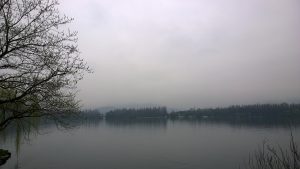
Start while there is still a little daylight. Walk a familiar loop first so your body trusts the route. Then angle toward somewhere with open sky: a riverside path, a park edge, a bridge, a university lane, a quieter stretch behind a shopping street.
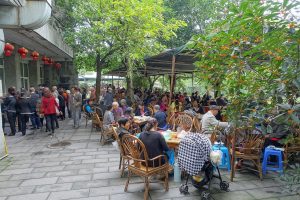
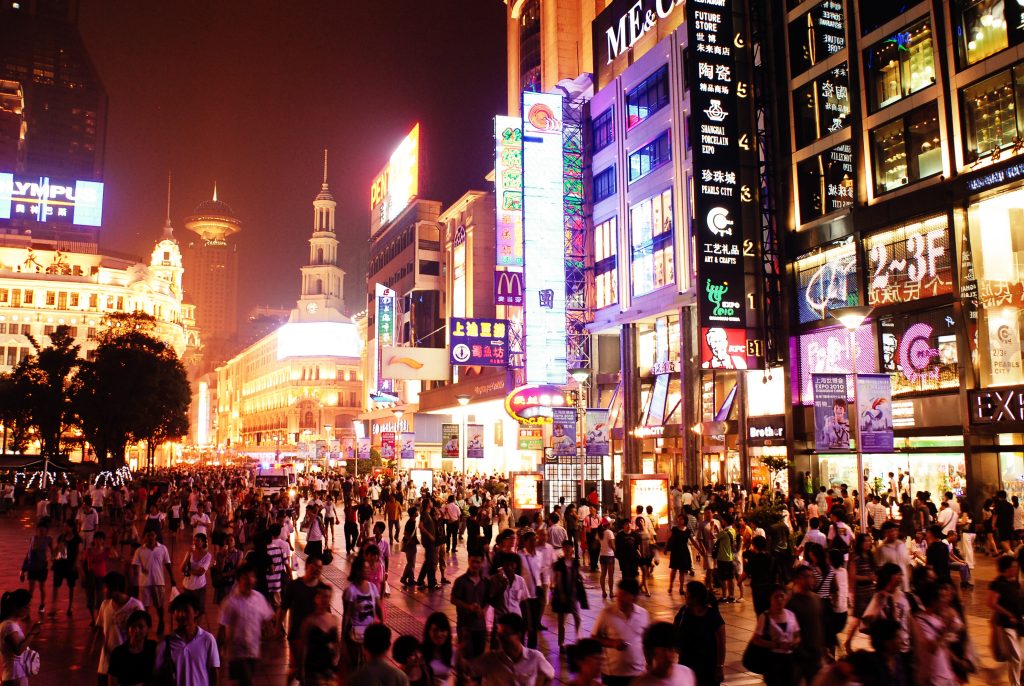
You will pass clusters headed to restaurants. Let them pass. You are collecting temperature, sound, and light — scooter bells, oil from a skewer stall, a child with a plastic lantern, a shop playing a festive song too loudly. None of it requires your commentary.
If a lantern market sits nearby, you can skim the edge without entering the densest gate. Crowd energy is optional. For orientation on public lantern scenes, Mid-Autumn lantern markets 2026 helps you decide whether to dip in or stay on the perimeter. Moon-viewing spots in big cities are covered in moon viewing in Beijing and Shanghai — use them as inspiration, not as a checklist you must complete alone.
Small food, not a lonely banquet
Alone dinners feel heavier when you book a large table for one under bright lights. On a first solo Mid-Autumn, smaller works better:
- A bowl of noodles at a busy counter
- A takeaway mooncake half and fruit back on a park bench
- Hot milk tea or soy milk for the walk home
- Dumplings from a neighbourhood shop with quick turnover
Eat where the room’s noise can borrow you some company without conversation. If delivery feels easier, that is valid too — the Stories neighbour to this feeling is ordinary city logistics, not festival failure.
Skip the internal lecture about “authentic reunion food.” Authenticity tonight is honesty: you are feeding yourself kindly.
When the moon shows up
At some point the sky clears — or it does not. Mid-Autumn lore loves a perfect round moon; real cities give you haze, buildings, and partial views between towers. If you see it, stop walking for thirty seconds. If you do not, notice a reflected light in a window or a lantern shaped like a moon and let that count.
People photograph the sky together. You can photograph an empty bench, your cup, your shoes on the pavement. Private souvenirs beat performative loneliness posts.
The feelings that arrive (and how to walk with them)
Solo festival nights often bring a mixed weather system: relief (no small talk), sadness (no shared table), curiosity (the city looks different), and pride (you made a plan). Let them rotate. You do not have to pick one official emotion for the holiday.
If tears come on a quiet path, that is human, not dramatic. Sit. Drink water. Text someone safe if you want. Then decide whether to continue the loop or go home early. Ending early is not quitting the festival; it is pacing.
Safety and soft boundaries
Stick to well-lit routes. Keep headphones low enough to hear traffic. Tell one person your rough plan if that helps you feel tethered. Decline strangers’ overly eager “join our table” invitations if your gut says no — kindness exists, and so does your right to a solo night.
Building gates and metro crowds thicken near closing time. Start home with margin.
Coming back to an empty room
The hardest moment can be the key in the lock. Soften it on purpose: turn on a warm lamp before the overhead glare, play a familiar playlist, plate fruit even if you already ate, open the window for a minute of night air.
If colleagues gave mooncakes earlier in the week, open one tin without apology. Office gift culture is its own topic (office gift etiquette); tonight those pastries are simply dessert.
Write three lines in a note app: where you walked, what you smelled, one sentence you would tell next year’s self. That is enough ritual.
What you might tell yourself the next morning
You did not waste Mid-Autumn. You practiced living in a Chinese city on a date that carries heavy meaning for others, and you stayed kind to your own pace. Next year you might join a dinner, host a friend, travel, or walk the same loop again. All of those are futures you can choose — none of them erase this year’s quiet version.
If work asks you to cover holiday hours instead of resting, handle that as employment logistics, not moral failure — see Mid-Autumn overtime pay for foreign employees 2026. Your evening walk and your payslip are different stories.
A simple solo Mid-Autumn evening template
1. Finish work or chores without rushing into forced plans
2. Walk a lit route with open sky nearby
3. Eat one small warm meal
4. Look for the moon without demanding perfection
5. Go home before exhaustion
6. Leave one kind note for yourself
Bottom line
A first Mid-Autumn alone in a Chinese city can be a quiet evening walk rather than a verdict on your social life. Use the festival’s light — lanterns at the edge of vision, seasonal food in small portions, the same moon above crowded tables and empty benches — and let solitude be deliberate, not accidental. Reunion is one Mid-Autumn story. A calm circuit through your city is another, and it counts.