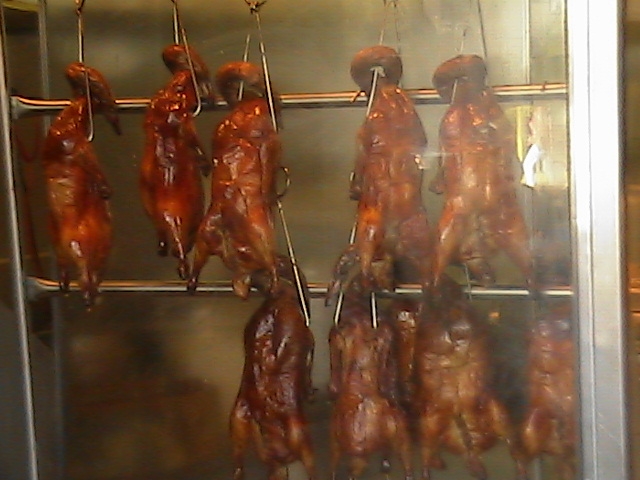
The first time I pulled a Cantonese roast duck from my apartment oven, the skin shattered like thin glass under the knife. Steam curled up, carrying the scent of five-spice and caramelized soy. My neighbor knocked on the door twenty minutes later, drawn by the smell drifting down the hallway. That bird—glossy, mahogany, fat rendered clean—was the moment I stopped ordering takeout and started hanging ducks on my balcony rack.
What Arrives on the Table
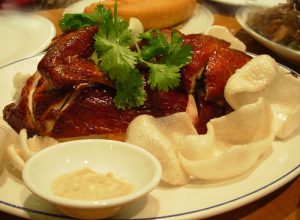
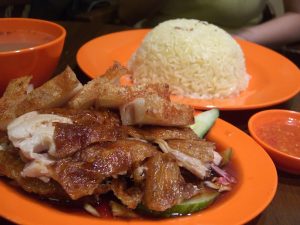
A proper Cantonese roast duck wears a skin the color of old amber. It catches the light when the server sets the platter down. The meat underneath stays pink near the bone, juicy without being greasy. You get a pile of steamed buns, julienned scallion, cucumber matchsticks, and a dish of hoisin cut with a splash of vinegar. The first bite is texture: crackle, then tender flesh, then the sweet-salty smear of sauce. Good restaurants serve it chopped tableside, cleaver flashing, bones and all arranged in the original bird shape.
How It Should Taste and Look
The skin is the benchmark. It must be thin, brittle, and evenly colored—no pale patches, no burnt edges. Fat renders completely, leaving the meat clean. The five-spice whispers rather than shouts; you taste star anise and cinnamon in the background, not the foreground. Soy and wine give a savory depth, while the hoisin glaze adds a sticky sweetness that clings to the fingers. If the skin bends instead of snaps, the bird was rushed. If the meat is gray, the oven ran too hot too long.
Home Method: Oven Roast with a Dry Cure
You don’t need a hanging oven or a fruitwood fire. A standard kitchen oven, a wire rack, and patience will get you ninety percent there. The trick is drying the skin thoroughly before heat hits it. I start two days before I want to eat.
- One whole duck, 3 to 4 pounds (1.3–1.8 kg), head and feet removed but neck skin intact
- 2 tablespoons light soy sauce
- 2 tablespoons dark soy sauce
- 2 cups Chinese cooking wine or dry sherry
- 1 teaspoon Chinese five-spice powder
- 2 tablespoons hoisin sauce
- 2 tablespoons dark soy sauce (for glaze)
- 3 green onions, smashed
- 1 tablespoon maltose or honey, diluted with 1 tablespoon hot water (optional, for extra lacquer)
- Boiling water, about 2 liters
Day One — Cure and Dry
- Whisk the light soy, dark soy, cooking wine, and five-spice in a bowl large enough to hold the duck.
- Prick the duck skin all over with a skewer or fork tip. Go deep enough to pierce the fat layer but not the meat. This lets fat escape during roasting.
- Submerge the duck in the marinade. Turn it every few hours. After six hours, remove and rinse under cold water. Pat dry with paper towels until the surface feels tacky, not wet.
- Mix the hoisin and the second measure of dark soy. Brush a thin layer inside the cavity only.
- Place the duck breast-side up on a wire rack set over a baking sheet. Put it uncovered in the refrigerator. Let it air-dry for 24 hours. The skin will tighten and turn matte.
Day Two — Blanch and Roast
- Preheat the oven to 220°C (430°F). Bring a wide pot of water to a rolling boil.
- Hold the duck by the neck and lower it into the boiling water for 30 seconds. This tightens the skin further and washes off excess cure. Lift out, drain, and pat dry again.
- If using maltose or honey, brush the diluted mixture over the entire skin now. It helps the color develop faster.
- Stuff the smashed green onions into the cavity.
- Pour half an inch of water into a roasting pan. Set the rack inside, duck breast-up.
- Roast 15 minutes at 220°C.
- Reduce heat to 180°C (350°F). Continue roasting 45 to 55 minutes, rotating the pan halfway. The duck is done when the thickest part of the thigh reaches 82°C (180°F) and the juices run clear when the thigh is pierced.
- Remove. Rest 15 minutes on a cutting board before chopping.
Ordering at a Restaurant
Walk into a Cantonese BBQ shop—look for ducks hanging in the window, skin glistening under heat lamps. Order by the bird: “yut go siu ngaap” (one roast duck). If you’re alone, ask for “ban go” (half). The cleaver work matters. A good chopper separates the breast in single slices, keeps the leg whole, and arranges the carcass so you can gnaw the bones later. Ask for extra pancakes and scallion. Some places charge a few yuan for the condiments; others include them. If the skin looks dull or the fat layer is thick and rubbery, the bird has been sitting under the lamp too long. Go earlier in the day, right after the morning batch comes out.
Mistakes Beginners Make
- Skipping the air-dry. Wet skin steams. You get rubber, not crackle. The refrigerator overnight is non-negotiable.
- Not pricking the skin. Fat traps steam underneath. The skin balloons and separates from the meat.
- Roasting breast-down first. Some recipes say flip. Don’t. Breast-up the whole time lets fat baste the legs while the skin crisps evenly.
- Using a cold oven. The initial blast sets the skin structure. If you start low, the fat renders before the skin tightens.
- Carving immediately. Resting lets juices redistribute. Cut too soon and the cutting board gets the flavor.
- Over-glazing. Thick hoisin burns. Brush thin, once, inside the cavity only. The maltose wash on the skin is enough sweetness.
My second duck was better than the first. The third, better still. Now I cure two at a time—one for the freezer, one for the table. The smell still brings the neighbors. I hand them a bun with a slice of breast, a dab of hoisin, a sliver of scallion. They nod. That’s the only review that matters.