The oil in the wok shimmers, a honey-gold mirror reflecting the fluorescent lights of a strip-mall kitchen. A wrapper slides in, edges curling instantly like old letters. Thirty seconds later it comes out blistered, steaming, and heavier than it looks. That first bite — crust shattering, then the hot, savory rush of pork and bamboo — is why the takeout box never makes it to the table intact.
What Arrives on the Table
A proper egg roll is a cylinder the length of a forefinger, sealed tight so no oil seeps in. The skin bubbles with microscopic blisters — proof the oil was hot enough — and holds a color between amber and mahogany. Inside, the filling stays distinct: shreds of pork or chicken, matchsticks of bamboo shoot, translucent threads of bean sprout, and flecks of green onion. No cabbage mush, no carrot confetti. The scent hits before the plate lands: toasted wheat, rendered fat, ginger, and a whisper of sesame.
How It Should Taste and Look
Crunch first. The wrapper fractures cleanly, not greasily. Then the filling yields — tender meat, crisp bamboo, a snap of bean sprout — bound by a sauce that clings but doesn’t pool. Salt leads, ginger follows, a shadow of sugar rounds the edges. If you dip, sweet-and-sour adds a vinegar kick; teriyaki brings a sticky gloss. A cold roll collapses into dough; a great one still cracks after ten minutes on a paper towel.
Home Method: From Raw to Rolling
Start with cold meat — raw pork shoulder or chicken thigh cuts cleaner. Freeze twenty minutes, then mince to rice-grain size. Blanch bamboo shoots and bean sprouts separately, thirty seconds each, shock in ice water, squeeze dry. That squeeze matters; wet filling bursts wrappers.
- 12 egg roll wrappers (square, wheat flour, kept under damp towel)
- 250 g raw pork shoulder or chicken thigh
- 60 g bamboo shoots, cut to matchsticks
- 60 g bean sprouts, blanched and squeezed dry
- 2 scallions, green part only, minced
- 1 tsp powdered ginger
- 2 tbsp light soy sauce
- 1 tsp sesame oil
- 1 egg white, beaten (for sealing)
- Oil for deep frying (peanut or canola, plus a spoonful of shortening if you have it)
- Mince meat. Toss with ginger, soy sauce, sesame oil. Marinate fifteen minutes.
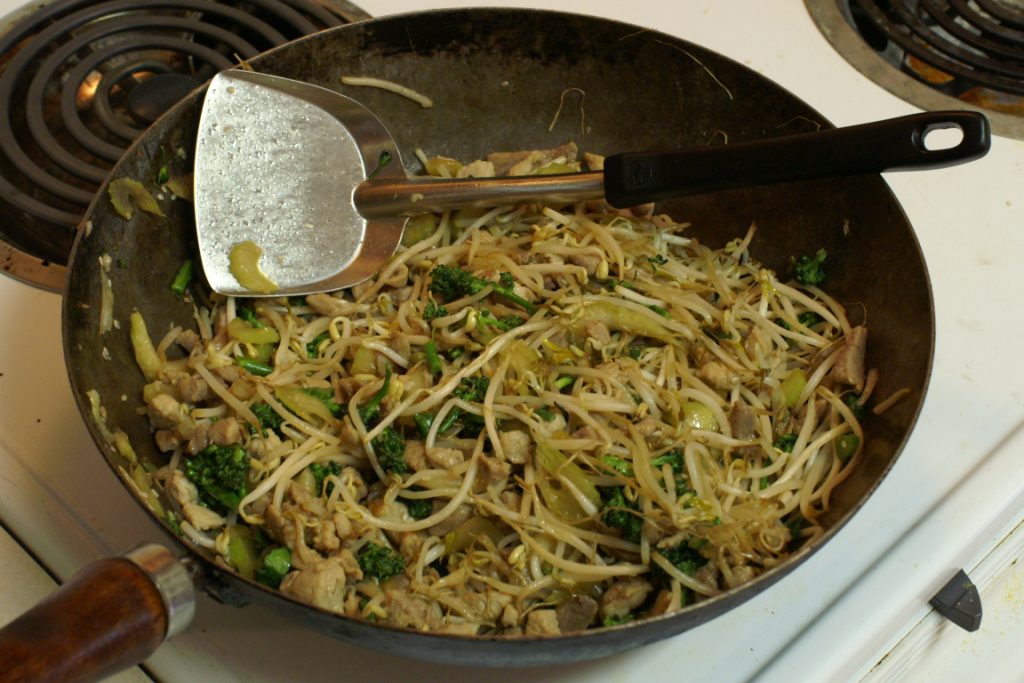
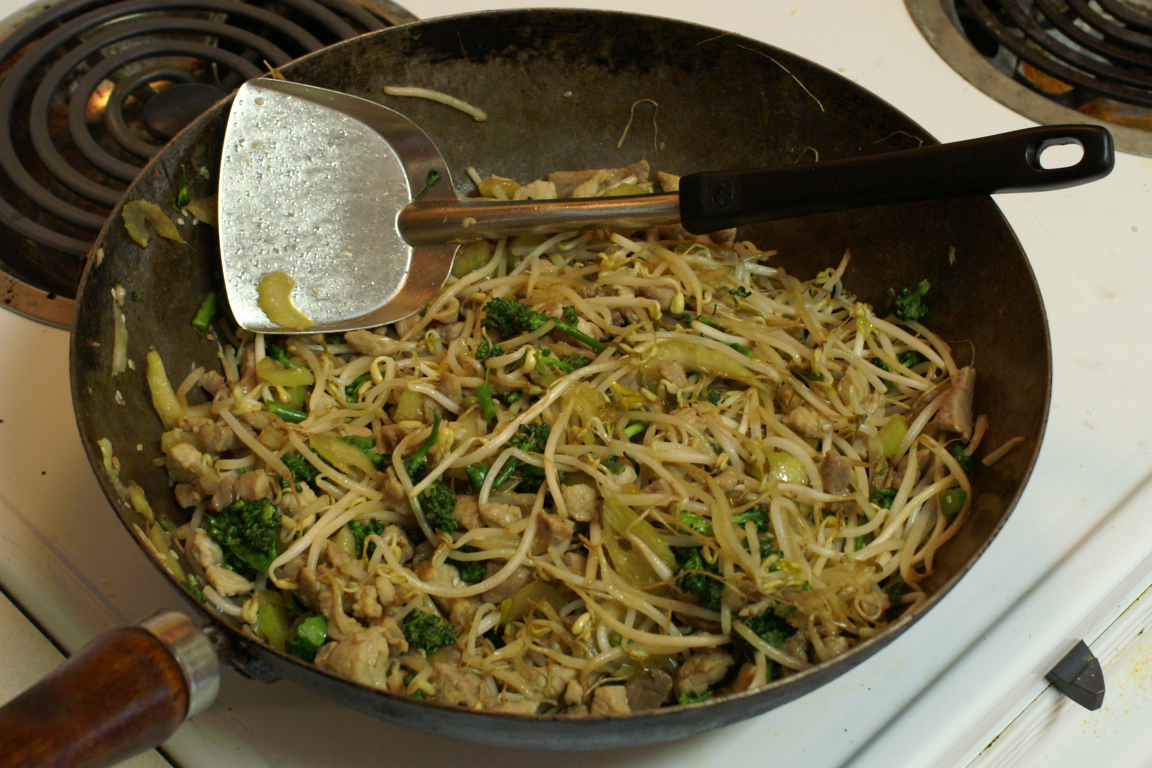
- Stir-fry meat in a hot wok with a tablespoon of oil until color changes, no longer. Drain, cool.
- Combine meat, bamboo, bean sprouts, scallions. Mix gently — overworking makes paste.
- Lay wrapper diamond-point toward you. Spoon two tablespoons filling in a log across lower third.
- Fold bottom corner over filling. Tuck sides. Roll tight. Brush top corner with egg white. Press to seal.
- Heat oil to 180 °C (a chopstick bubbles steadily). Fry rolls in batches, turning once, until blistered and amber, about ninety seconds.
- Drain on wire rack, not paper. Paper traps steam and softens the crust.
Restaurant Ordering: What to Say and Spot
Walk up to the counter during the lunch rush — that’s when the fryer runs hottest. Ask for “fresh drop” or “just fried.” If the server points to a steam table tray, shake your head; those rolls have been steaming in their own oil for twenty minutes. Watch the kitchen: a cook pulling rolls with long chopsticks, letting them hang over the wire a beat before boxing, means pride. A cook scooping with a spider into a paper bag means speed. Order two per person, no more. They don’t reheat well.
Mistakes Beginners Make
Stuffing the wrapper like a burrito. The seam splits, oil floods the filling, and you eat grease. Using thawed wrappers that cracked on the counter — keep them covered until the second they hit the board. Skipping the squeeze on bean sprouts; a tablespoon of water inside turns crisp to soggy in the fryer. Frying at 160 °C because the thermometer broke; the skin absorbs oil like a sponge. Crowding the wok — temperature drops, rolls stick together, blisters never form. And the cardinal sin: eating them straight from the box without letting them rest thirty seconds on a rack. That pause lets the crust set. Skip it and the first bite burns the roof of your mouth while the wrapper folds like wet cardboard.