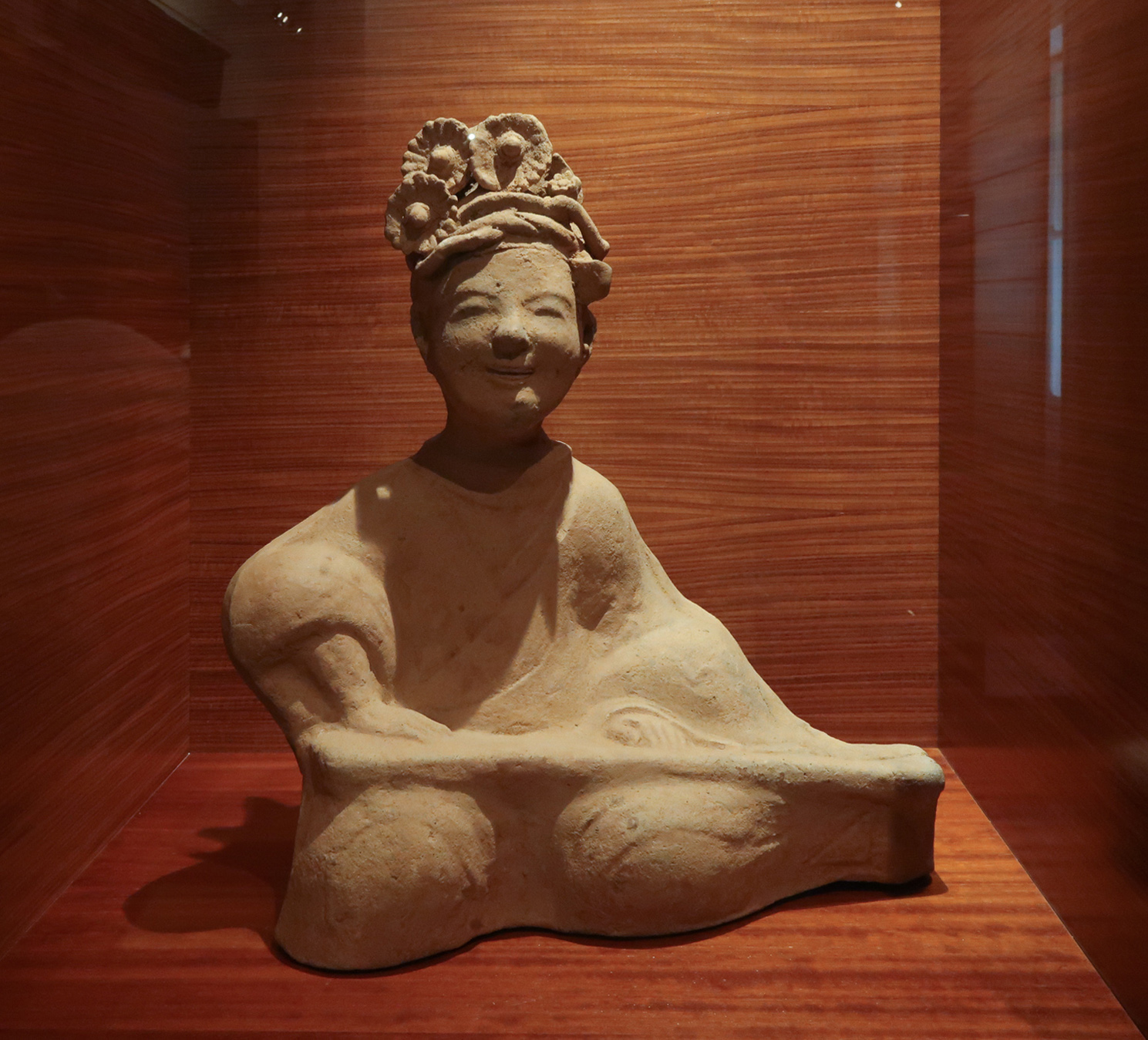
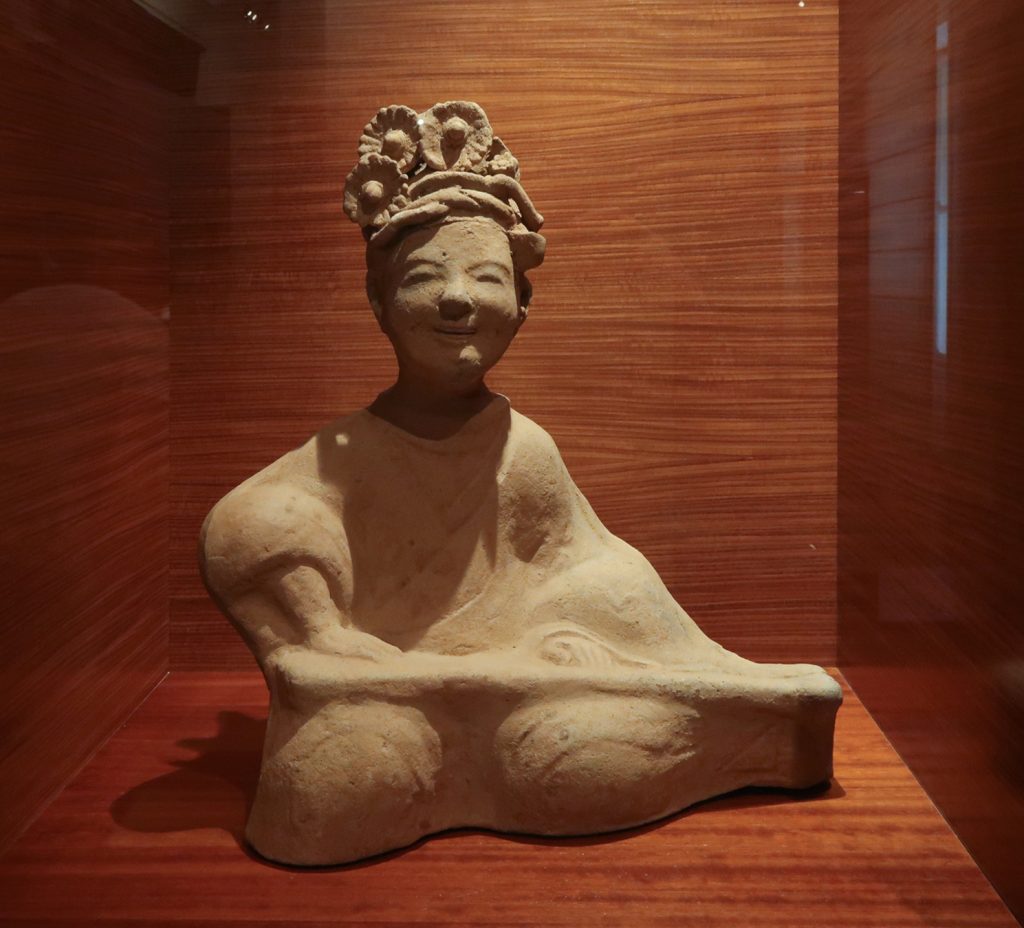
I am sitting on a heated brick platform in a courtyard house near the Drum Tower, the air thick with the scent of sandalwood incense. An elderly teacher, his fingers calloused in a way that only decades of silk strings can produce, plucks a single harmonic. The note hangs in the freezing winter air, decaying so slowly it feels like watching breath turn to frost. There is no applause when he finishes the phrase—just a shared exhale from the three students in the room. This is not a performance. It is a conversation the instrument is having with itself, and we are merely permitted to listen.
The Object on the Table
A guqin does not shout. It is a long, hollow wooden plank, usually paulownia for the top and catalpa for the bottom, lacquered in layers of raw lacquer mixed with deer antler ash or ceramic powder. The surface feels cool and slightly grippy, not slick like modern polyurethane. Seven strings run the length of the soundboard, stretched over a single fixed bridge at the head and anchored at the tail by knotted cords that disappear into two sound holes—the “dragon pool” and “phoenix pond”—on the underside. Thirteen mother-of-pearl dots (hui) mark the harmonic positions along the outer edge. They are not frets; they are maps. When the light catches the lacquer, you see the crackle pattern—snake-skin, ox-hair, or ice-crack—each pattern a fingerprint of the maker and the decades of humidity the wood has breathed.
What the Sound Actually Does
The voice of the qin lives in three registers. **San yin (scattered sounds)** are open strings—deep, resonant, like a bronze bell struck underwater. **Fan yin (harmonics)** are produced by touching the string lightly at the hui dots and plucking; they sound like a flute made of glass, ethereal and directional. **An yin (stopped sounds)** are the meat of the melody: the left hand presses the string firmly against the wood, the right hand plucks, and the player slides, vibrates, or rocks the finger to shape the note. A single note can take ten seconds to unfold—attack, sustain, a deliberate vibrato, and a silence that is scored as carefully as the sound. Beginners mistake the silence for a pause. It is not. It is the resonance of the wood continuing to speak after the finger has left.
Learning the Notation: Jianzi Pu
You will not find five-line staff paper in a qin studio. The notation, *jianzi pu* (reduced character notation), looks like a series of complex Chinese characters stacked vertically. Each character is a composite instruction: which string, which hui position, which right-hand finger (thumb, index, middle, ring), which left-hand technique (press, slide, harmonic, vibrato), and the rhythmic value. It tells you *how* to move, not just *what* pitch to hit. A single character can represent a phrase that takes twenty seconds to execute.
Find a teacher who transmits *kou chuan xin shou* (oral transmission, hand reception). The score is a mnemonic, not a recipe.
Start with *Qin Fu* (Qin Table) exercises: right-hand plucking patterns (pi, tuo, mo, tiao) on open strings until the tone is even.
Memorize the first piece, usually *Xianweng Cao* or *Qiufeng Ci*, phrase by phrase. Do not move to the next phrase until the teacher nods.
Practice the left-hand *yin nao zhuo* (vibrato variations) on a single stopped note until the pitch wavers like a candle flame, not a siren.
Record yourself. The guqin is quiet; your ears lie to you in the room. A phone recorder placed near the dragon pool reveals the truth.
Finding a Teacher or a Listening Session
In Beijing, the China Conservatory of Music and the Central Conservatory have guqin departments, but the real transmission happens in private studios (*qin she*). Look for signs near the Gulou and Nanluoguxiang alleyways, or ask at the Beijing Guqin Culture Research Association. In Shanghai, the Shanghai Guqin Society holds monthly *yaji* (elegant gatherings) in teahouses on Fuxing Road—small rooms, twenty chairs, tea served between pieces. In Chengdu, the Dufu Thatched Cottage park often hosts morning practice sessions under the ginkgo trees. Do not walk in cold. Message the organizer on WeChat beforehand. Bring a small gift: a tin of good Longjing tea or a pack of quality incense. Sit on the floor or a cushion. Turn your phone to airplane mode. When the player bows to the instrument before starting, you bow your head slightly. You do not clap between pieces. You wait for the host to pour the next cup of tea.
Buying an Instrument: What to Touch Before You Pay
A factory qin from a music store costs a few thousand yuan and sounds like a plank. A luthier-made instrument starts around twenty thousand and climbs. If you are serious, go to a maker’s workshop. In Beijing, visit the workshop of a maker like Ni Shiyun or a disciple of the Zhejiang school. In Yangzhou, the lacquer capital, you can watch the ground coats being applied. Run your checks:
Press each string at every hui position. The harmonic must ring clear, not choke.
Play the open strings. The bass (string one) should vibrate in your chest; the treble (string seven) should sing without harshness.
Slide a stopped note the full length of the string. Feel for “sand”—gritty resistance under the finger. Good lacquer feels like polished jade.
Tap the back board near the sound holes. A dull thud means the wood is dead or the lacquer too thick. You want a wooden *thock* with a long tail.
Check the nut (yueshan) and bridge (longyin). They should be rosewood or fossilized ivory, filed smooth, not sharp.
Ask for the “qinshu” (qin book)—the maker’s log of wood origin, lacquer recipe, and string type. If they cannot produce one, walk away. Strings matter: silk (traditional, warm, unstable tuning, short life) versus nylon-wrapped metal (modern, stable, brighter, longer sustain). Most players today use a hybrid set—metal core for the lower strings, silk for the top three. Keep a spare set in a sealed bag with a silica gel packet. The lacquer drinks humidity; the strings drink sweat.
Mistakes That Mark the Novice
The first mistake is treating it like a guitar. You do not strum. You do not use a pick. The right-hand nails are shaped specifically—thumbnail long and ramped, index and middle filed to a precise curve, ring finger slightly shorter. The attack comes from the fingertip flesh meeting the nail, not the nail alone. The second mistake is pressing too hard with the left hand. The string only needs to kiss the wood. Excess pressure kills the sustain and bends the pitch sharp. The third mistake is chasing repertoire. A player who knows three pieces deeply—*Flowing Water*, *High Mountains*, *Guangling San* in fragments—commands more respect than one who stumbles through twenty. The fourth mistake is ignoring the body. The qin sits on a specific table (qin zhuo) at a specific height. Your shoulders must drop. Your wrists float. Your breath syncs with the phrasing. If your back aches after twenty minutes, your posture is wrong. The fifth mistake is asking “What does this piece mean?” before you can play the notes cleanly. The meaning lives in the fingering. Play the fingering until the wood tells you the story.
The Season of Strings
The guqin calendar follows the moon. The best time to change strings is the dry cold of the twelfth lunar month—waxing the new silk or settling the metal before the spring humidity swells the wood. The best time to buy is autumn, when the lacquer has cured through a full summer. The best time to listen is a snowy night, windows shut, a single lamp, the instrument warming against your legs. The worst time is the plum rain season (meiyu) in the fifth and sixth months; the lacquer sweats, the pitch drifts, the sound muffles. If you visit then, bring a dehumidifier packet for the case. The instrument does not travel well in checked luggage. Carry it on. Pad the head and tail with bubble wrap. Loosen the strings two full turns. Tell the security agent it is a “guqin, ancient zither.” They have seen it before. They will wave you through.