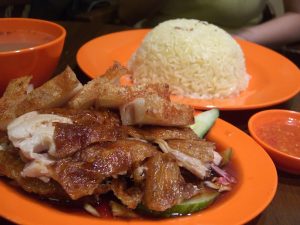
The steam hits you first, thick and scented with fermented mustard and rendered fat. A ceramic bowl lands on the table, inverted over a plate, and when the server lifts it, the pork slices cling to the greens like roof tiles, dark and glistening. This is Hakka comfort food at its most honest: preserved vegetables and pork belly, steamed until the boundaries between them dissolve. I first ate it at a family table in Meizhou during the winter solstice, where the hostess insisted the dish “remembers every hand that stirred the pot.”
What Arrives on the Table
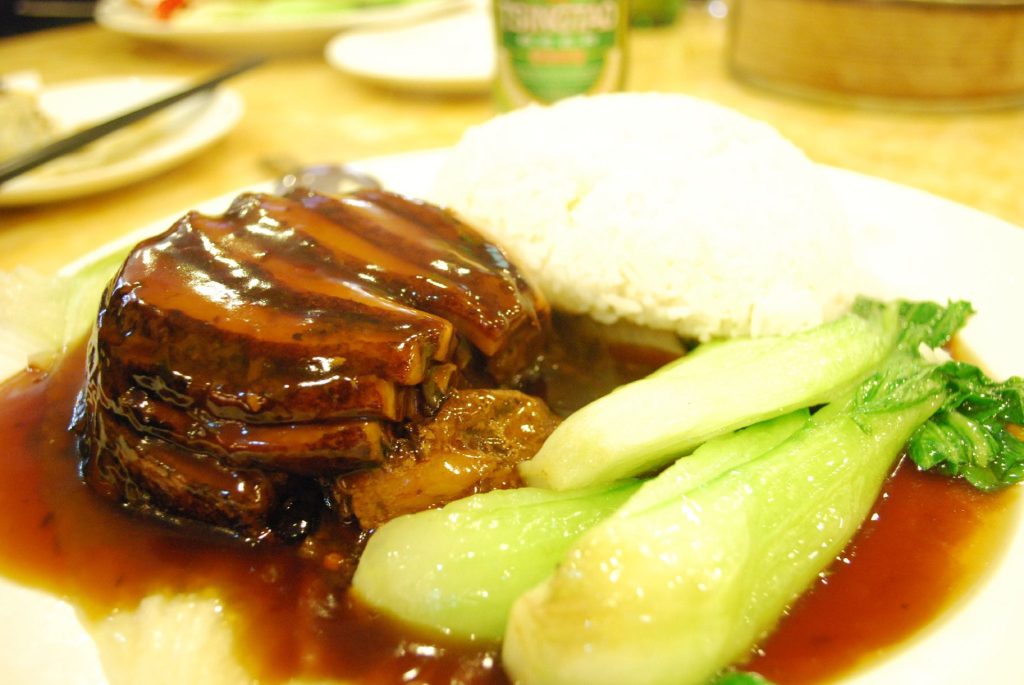
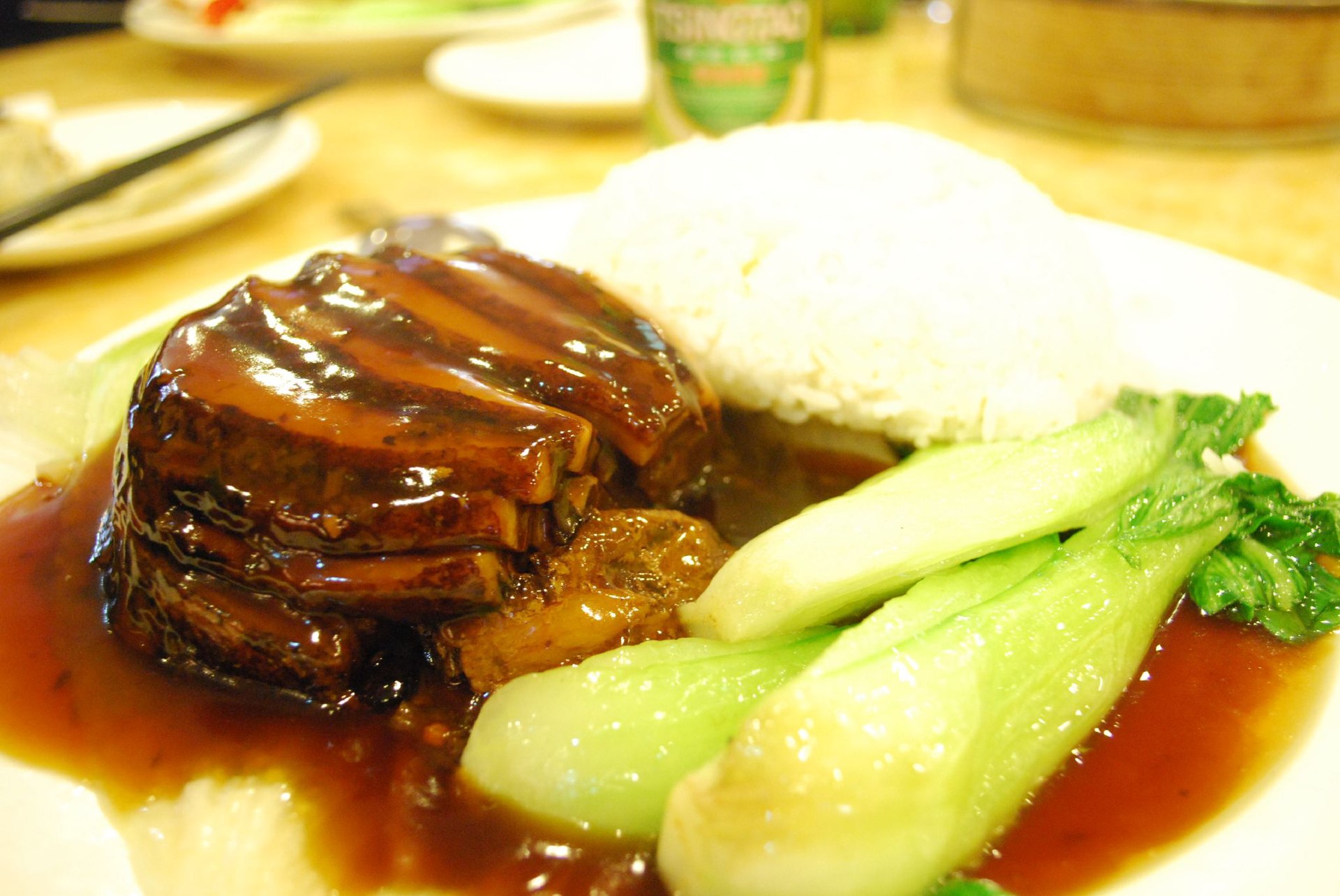
A proper portion looks like a collapsed mountain. The pork, cut into coins the thickness of a finger, has surrendered its structure. Fat turns translucent, melting into the sauce. The mustard greens — *mei cai* — are no longer fibrous; they have softened into dark, salty ribbons that taste of earth, smoke, and a slow, lingering sweetness. The liquid pools at the bottom of the plate, a brown-gold broth thickened by collagen and starch. You spoon it over rice, and the grains turn amber. The flavor hits salt first, then a fermented funk, then the clean sweetness of the pork, finishing with a pepper warmth that sits at the back of the throat.
Ingredients for a Home Pot
500 grams pork belly, skin on, cut into 3-centimeter slabs
1 tablespoon fermented black beans, rinsed and mashed
1 teaspoon potato starch mixed with 1 tablespoon water
Hot water or light stock, enough to cover
Home Method: Two Steams and a Sear
Blanch the pork. Drop the slabs into cold water, bring to a boil, skim the foam, and simmer five minutes. Drain, rinse under cold tap, and pat dry. This removes the scum that would cloud the final sauce.
Sear the skin. Heat a dry wok until a droplet skitters. Lay the pork skin-side down. Press with a spatula. Listen for the crackle. Three minutes until the rind turns golden and shrinks. Flip, sear the meat side one minute. Remove.
First steam. Slice the cooled pork into coins. Toss with Shaoxing, light soy, dark soy, sugar, ginger, scallion, and half the mashed black beans. Pack into a deep heat-proof bowl. Steam over high heat for forty minutes. The fat begins to render; the meat turns tender but holds shape.
Prep the greens. While the pork steams, soak the *mei cai* in three changes of cold water, twenty minutes each. Squeeze hard — you want them damp, not wet. Tear into bite strips. Toss with the remaining black beans and a splash of wine.
Layer and second steam. Spread the greens over the pork in the bowl. Pour in hot stock until it kisses the top layer. Cover with foil or a lotus leaf. Steam another thirty minutes. The greens drink the pork fat; the pork drinks the fermented brine.
The flip. Place a serving plate face-down on the bowl. Hold tight, invert in one confident motion. Tap the bowl bottom. Lift slowly. Thicken the collected juice with the starch slurry, drizzle over the top.
Ordering It in a Restaurant
In a Cantonese roast-meat shop or a Hakka banquet hall, ask for *mei cai kou rou* by name. Specify “five-layer pork” (*wu hua rou*) if you want the classic belly; some kitchens default to lean shoulder. Request the sauce on the side if you dislike excess oil — though the dish loses soul without it. A good kitchen will have steamed the pork at least two hours ahead, then finished the dish to order. If the server says “ready in five minutes,” they are reheating a pre-assembled portion. Wait for the fresh steam; the texture difference is night and day. Pair with a plain congee and a plate of stir-fried hollow stem vegetable to cut the richness.
Beginner Mistakes
Skipping the blanch. Gray foam in the final sauce. Cloudy, bitter, unfixable.
Under-soaking the greens. *Mei cai* carries heavy salt and sometimes sand. Three soaks, taste a strand — it should be savory, not saline.
Slicing pork hot. The meat shreds. Chill the slab thirty minutes in the fridge; the knife glides.
Using a shallow bowl. Liquid boils over in the steamer, washing away flavor. Depth matters.
Rushing the second steam. Twenty minutes leaves greens chewy. They need the full half-hour to melt into the fat.
Flipping timidly. A slow tilt slides the tower sideways. Commit. One motion. Confidence keeps the architecture intact.
A Final Note on Leftovers
Cold *mei cai kou rou* straight from the fridge is a breakfast of champions. The fat sets into a soft jelly; the greens intensify. Re-steam ten minutes, or pan-fry slices until the edges crisp like bacon. Either way, the dish only deepens overnight. In my kitchen, the second day is the one I fight for.