The minibus from Jiaxing South Station shudders to a halt beside a canal where willow branches brush the water. Steam rises from a vendor’s wok — pickled mustard greens and pork belly fried until the fat turns translucent. An elderly woman in a blue cotton jacket waves me toward a plastic stool. “Eat first, look later,” she says. That sentence sets the rhythm for the next two days in Pinghu: food before monuments, lanes before lists.
Getting There Without a Train Station
Pinghu sits in the crook of Hangzhou Bay, equidistant from Shanghai, Hangzhou, and Suzhou, yet no high-speed rail line cuts through its center. The most direct route from Shanghai is the long-distance coach departing Hongqiao Hub every forty minutes; the ride lasts ninety minutes and drops you at Pinghu Bus Terminal on Donghu Road. From Hangzhou, buses leave the West Station hourly and take slightly longer. If you are already in Jiaxing, the city bus 168 runs every twenty minutes along the G320 and costs pocket change. Drivers know the stop for Mo’s Manor by heart — just say “Mo Jia Zhuang” and they will nod.
- Shanghai Hongqiao → Pinghu Terminal: 90 minutes, departures 06:30–21:00
- Hangzhou West → Pinghu Terminal: 110 minutes, departures 07:00–20:30
- Jiaxing Bus 168: 45 minutes, runs 05:30–22:00
- Taxi from Jiaxing South Station to downtown Pinghu: roughly 40 minutes
Renting a car makes sense only if you plan to chase the watermelon fields north of the city in late summer. Parking in the old quarters is tight; most guesthouses arrange a space in a nearby municipal lot for a daily fee.
East Lake at Dawn and Dusk
East Lake (Donghu) is not a single vista but a string of causeways, islands, and pavilions stitched together by stone bridges. Arrive at first light when mist clings to the lotus beds and the only sound is an oar cutting water. Fishermen in flat-bottomed boats pull nets heavy with white shrimp — the same shrimp that will appear on your lunch plate hours later. By mid-morning, tour groups from Shanghai cluster around the Nine-Dragon Wall, but the western shore near the ancient ginkgo tree stays quiet. A narrow path leads to a teahouse where the owner brews Longjing with water drawn from a well behind the kitchen. Stay until the lanterns flicker on; the reflection of red paper globes in the black water is the image that lingers.
- Best entry: South Gate near the bus terminal, free access
- Boat rental: 60 yuan per half hour, row yourself or hire a boatman
- Teahouse: second floor of the pavilion by the ginkgo, try the osmanthus green tea
- Photography tip: tripod on the western causeway twenty minutes after sunset
Mo’s Manor: A Merchant’s Fortress
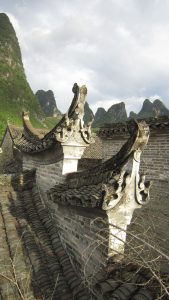
Mo’s Manor (Mo Jia Zhuang) sprawls across twelve courtyards linked by covered corridors. Built in the late Qing by a salt merchant who anticipated bandits and tax collectors alike, the compound feels more like a village than a house. Thick brick walls hide narrow staircases that lead to rooftop watchtowers. In the central hall, a rosewood screen carved with peonies still bears the scorch marks from a fire set during the Taiping Rebellion. The guide — a descendant of the Mo family — points out the hollow beams where silver ingots were once stashed. He speaks fast, mixing dialect with Mandarin, and expects questions. Ask about the underground drainage system; he will lift a stone slab to reveal a channel still flowing after 150 years.
- Admission: 50 yuan, includes guided tour in Mandarin
- English audio guide: available at ticket window, 20 yuan deposit
- Allow: 90 minutes minimum, longer if you climb the watchtowers
- Wear flat shoes; courtyard stones are uneven and slick after rain
Water Towns Without the Crowds
Xitang and Wuzhen draw busloads before breakfast. Pinghu’s own water towns — Zhapu, Xincang, and Quantang — keep a slower pulse. Zhapu, on the coast, still smells of salt and diesel. Its harbor hosts a fleet of trawlers that unload hairtail and yellow croaker at 4 a.m. Walk the seawall at that hour and you will see auctioneers shouting prices into megaphones while buyers inspect gills with flashlights. Xincang, inland, centers on a single arched bridge where grandmothers sit shelling water caltrops into bamboo baskets. Quantang claims the oldest camphor tree in the region; its trunk requires six adults linking hands to encircle. None of these towns charge an entrance fee. You simply wander, eat, and leave when the light fades.
- Zhapu fish market: 04:00–07:00, best for photography and fresh breakfast
- Xincang bridge: try the steamed rice cakes sold from a tricycle cart at the north end
- Quantang camphor tree: 15 minutes by electric bike from Quantang bus stop
- Transport between towns: Didi rides cost 25–40 yuan; local buses run hourly
Eating Like a Local
Pinghu cuisine leans sweet-savory, heavy on fermented bean paste, rice wine, and freshwater produce. The signature dish is pickled egg — duck eggs cured in brine and red yeast rice until the yolk oozes amber oil. Locals eat it with plain congee for breakfast. Another staple: stewed pork belly with preserved mustard greens (meigan cai), the meat falling apart at the touch of chopsticks. At a family-run place on Beida Street, the owner’s wife hand-rolls wheat gluten into knots, braises them in soy and star anise, and serves them in a clay pot that stays bubbling at the table. Do not miss the watermelon rind stir-fry in late summer; the white rind keeps a crisp snap against garlic and chili.
- Pickled egg: look for vacuum packs at the morning market, 8 yuan each
- Meigan cai rou: order at Lao Pinghu Restaurant, second floor, window seat
- Wheat gluten knots: ask for “mian jin” at any neighborhood canteen
- Watermelon rind stir-fry: seasonal, June through August only
- Drink: local yellow rice wine served warm in tiny porcelain cups
Vegetarians should specify “bu yao rou” and “bu yao yu” — broth often contains dried shrimp or pork bone. The Buddhist kitchen at the temple near East Lake serves a reliable set menu at noon.
Seasonal Rhythms and Festival Logistics
Spring brings the Lantern Festival on the fifteenth day of the first lunar month. East Lake fills with floating lotus lanterns; families release them from rowboats while firecrackers crackle along the shore. Accommodation doubles in price that week — book a month ahead. Summer is watermelon season. Fields north of the city open for pick-your-own; the fruit is heavy, stripe-skinned, and so sweet it stains fingers pink. Autumn sees the Mid-Autumn moon-viewing gatherings on the western causeway. Locals bring mooncakes filled with salted yolk and pork floss, a Pinghu variation unknown elsewhere. Winter is quiet. Mist hangs over the canals until noon. Many guesthouses close for renovation from the twelfth lunar month through the second. If you visit then, confirm heating — older courtyard rooms rely on portable electric heaters only.
- Lantern Festival: 15th day of 1st lunar month, book rooms 30 days prior
- Watermelon picking: 6th–8th lunar months, farms along G320 north of city
- Mid-Autumn: 15th day of 8th lunar month, public moon-viewing on west causeway
- Winter closure: many family inns shut 12th–2nd lunar months
Where to Sleep
Chain hotels cluster near the bus terminal — clean, air-conditioned, and forgettable. For atmosphere, choose a courtyard guesthouse in the old quarter west of East Lake. The better ones occupy restored merchant homes with tiled roofs, inner gardens, and shared kitchens where guests swap stories over instant noodles. A double room with private bathroom runs 200–350 yuan. Hosts often speak enough English to recommend a bus route or write a destination in Chinese for your taxi driver. Breakfast is usually included: steamed buns, pickled vegetables, and a thermos of weak tea. Ask the host to call a Didi for the morning fish market; they know which drivers accept short rides.
- Budget: Pinghu Youth Hostel, dorm beds 60 yuan, near South Gate
- Mid-range: Courtyard 8, eight rooms, garden, English-speaking host
- Upscale: Lakeside Villa, converted mansion, private dock, 800+ yuan
- Tip: pay cash (WeChat/Alipay accepted) for a 5% discount at most inns
Mistakes Newcomers Make
First-timers treat Pinghu as a day trip from Shanghai, rushing through Mo’s Manor in forty minutes and missing the lake entirely. Others assume the water towns are interchangeable with Wuzhen and skip Zhapu’s dawn market — the single most vivid scene in the region. A few rely on ride-hailing apps for every move; the electric bike lanes along the canals are faster and let you stop at a tofu stand without hunting for parking. The biggest error is eating only at restaurants with picture menus. The best meal I had came from a stool at the canteen where the manor’s security guards eat lunch: a bowl of hand-pulled noodles in shrimp broth, topped with a spoonful of chili oil the owner’s mother fermented in a clay jar behind the counter.
- Don’t: compress the visit into six hours from Shanghai
- Don’t: equate Pinghu water towns with ticketed scenic areas
- Don’t: ignore the electric bike — rent one for 30 yuan a day
- Do: follow the smell of frying garlic down an unmarked alley
- Do: carry small bills for market snacks and boat rentals