The minibus from the West Bus Station rattles west along National Highway 312, the Qilian foothills rising like a wall against the pale morning sky. Inside, a vendor squeezes past knees with a basket of steaming lamb buns, their pleated tops glistening with oil. Twenty minutes later the driver brakes hard at the Kongtongshan park gate, and the air shifts — cooler, scented with pine resin and the faint metallic tang of incense from the temples higher up. This is how Pingliang arrives: not with fanfare, but with the smell of altitude and the sound of prayer wheels turning in the wind.
Getting There Without Losing a Day
Trains terminate at Pingliang Railway Station, a low brick building at the north end of Jiefang North Road. The overnight from Xi’an pulls in around dawn, which means you can drop a bag at a nearby hostel and be on the mountain before the tour buses climb the switchbacks. From Lanzhou the high-speed connection cuts the old eleven-hour slog to roughly three hours, but the last departure leaves Lanzhou West before 6 p.m., so book the morning service if you want daylight for the approach. Buses are more flexible: the West Bus Station on Highway 312 runs coaches to Guyuan in two hours and to Xi’an in five, departing every forty minutes until early evening. If you’re coming from Yinchuan, the direct sleeper bus saves a transfer but leaves you stiff — break the journey in Zhongwei for a bowl of hand-pulled noodles and a stretch.
Kongtong Mountain: Steps, Shrines, and the View Worth the Sweat
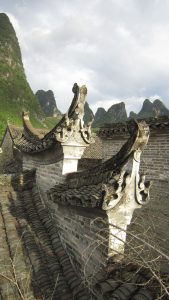
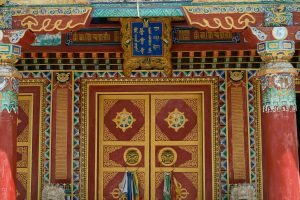
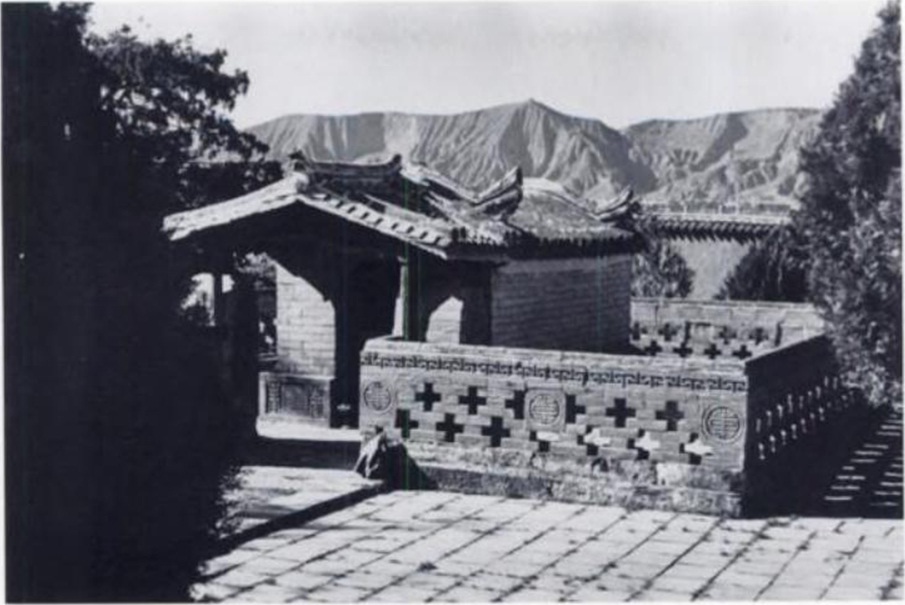
Kongtongshan National Park spreads across a ridge system where Taoist hermits have carved caves and built halls for fifteen centuries. The main circuit starts at the south gate ticket office, where a stone archway frames the first flight of stairs. You don’t hike this mountain so much as climb it — 1,800 steps to the Golden Summit if you skip the cable car. The path threads through cypress groves, past the Iron Tile Hall with its black-glazed roof, and up to the Leifeng Pagoda, where wind whistles through the bronze bells hung from each eave. Halfway up, a side trail leads to the Thousand Buddha Cave: low ceilings, soot-blackened walls, and niches holding sandstone figures missing noses from centuries of touching. Bring a headlamp; the interior lighting is sporadic.
- Wear broken-in trail shoes — the stone slabs are polished slick by millions of soles.
- Carry a liter of water and a packet of salted apricot kernels; the kiosks above the halfway pavilion charge triple.
- Allow four hours round-trip on foot, two if you take the cable car up and walk down.
- Morning mist often hides the summit until 10 a.m.; if the forecast is clear, start at 7 a.m. to catch the first light on the western cliffs.
Pingliang Museum: A Quiet Hour Between Peaks
Back in the city, the museum sits inside Longyin Temple Park, a compound of gray-tiled halls and ginkgo trees that turn gold in the tenth lunar month. The collection runs from Neolithic painted pottery — look for the spiral-patterned basin from the Majiayao culture — to Ming dynasty porcelain stamped with the imperial kiln mark. Labels are in Chinese only, but the layout follows a clear chronological loop. The Buddhist sculpture gallery holds a Northern Wei stone stele where the bodhisattva’s smile survives intact, rare for pieces that passed through the Cultural Revolution. Admission is free; the gate closes at 4 p.m. and the whole site shuts on the first day of each lunar week. The tourist shuttle from the railway station stops at the park’s east gate, a five-minute walk from the entrance.
Where to Sleep: From Dorm Beds to Courtyard Quiet
Budget travelers gravitate to the Blue Star Hotel on Jiefang South Road. The lobby smells of boiled tea and cigarette smoke, but the dormitory bunks are clean, the showers run hot after 9 p.m., and the night clerk speaks enough English to write the bus departure times in pinyin. A private double with shared bathroom runs around 120 yuan; ask for a room facing the back alley to avoid the early-morning honking on the main road. For mid-range comfort, the Kongtong Mountain Resort near the park’s north gate offers tile-roofed villas arranged around a koi pond. Rooms have heated kang platforms — welcome when the autumn frost settles — and the restaurant serves a passable lamb hotpot with hand-rolled noodles. At the top end, the Pingliang International Hotel on Renmin Road provides business-class amenities: reliable Wi-Fi, a fitness room that isn’t just a treadmill in a closet, and a breakfast buffet where the yogurt is made from local yak milk.
Eating in Pingliang: Noodles, Lamb, and the Night Market
The city’s signature dish is lamb soup with wide hand-pulled noodles — broth milky from hours of simmering marrow bones, topped with cilantro, chili oil, and a spoonful of fermented bean curd. You’ll find the best version at a stall behind the West Bus Station where the broth pot has never been emptied, only replenished since the eighth lunar month of the Year of the Rabbit. Order “da wan” for a large bowl; the noodles arrive coiled like rope, chewy enough to resist the spoon. For a sit-down meal, head to the Muslim quarter near the south gate: platters of cumin-dusted lamb ribs, cold wheat gluten salad tossed with vinegar and garlic, and steamed buns stuffed with scallion and minced mutton. The night market on Dongguan Street fires up after sunset — skewers of chicken hearts, grilled tofu brushed with sweet bean paste, and pearl barley tea served in plastic cups. Pay cash; the QR codes on the carts often fail when the signal drops.
What Newcomers Get Wrong
First-time visitors treat Pingliang as a day trip from Xi’an, rushing up Kongtong Mountain, snapping the pagoda, and catching the evening train back. They miss the morning chant at the Iron Tile Hall, the way the ginkgo leaves carpet the museum courtyard in late autumn, the lamb broth that tastes different at 6 a.m. than at noon. They also underestimate the altitude — the city sits at 1,500 meters, the summit at 2,100 — and spend the first afternoon headachey and breathless. Locals expect you to greet temple caretakers with a slight bow and palms together, not a selfie stick. And they’ll tell you, if you ask, that the real Kongtong isn’t the summit but the cave halfway down where an old nun sweeps the floor every dawn, and the incense she lights smells of juniper and time.