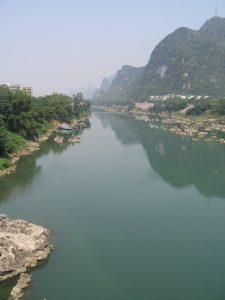
The taxi driver slowed where the Jinsha and Min rivers slammed together, the brown water churning white against the concrete embankment. Ahead, the Yangtze proper surged eastward under a bridge strung with red lanterns. Steam rose from a street-side pot of boiling tripe, mixing with the sharp scent of fermented grain from the Wuliangye distillery across the road. My phone map showed a gray grid of streets, but the real city was the rhythm of porters hauling crates of Sichuan peppercorns up the stone steps, the clatter of mahjong tiles from a teahouse balcony, and the way every local I asked for directions pointed first toward the river, then toward a bowl of noodles.
Finding Your Feet in the River City
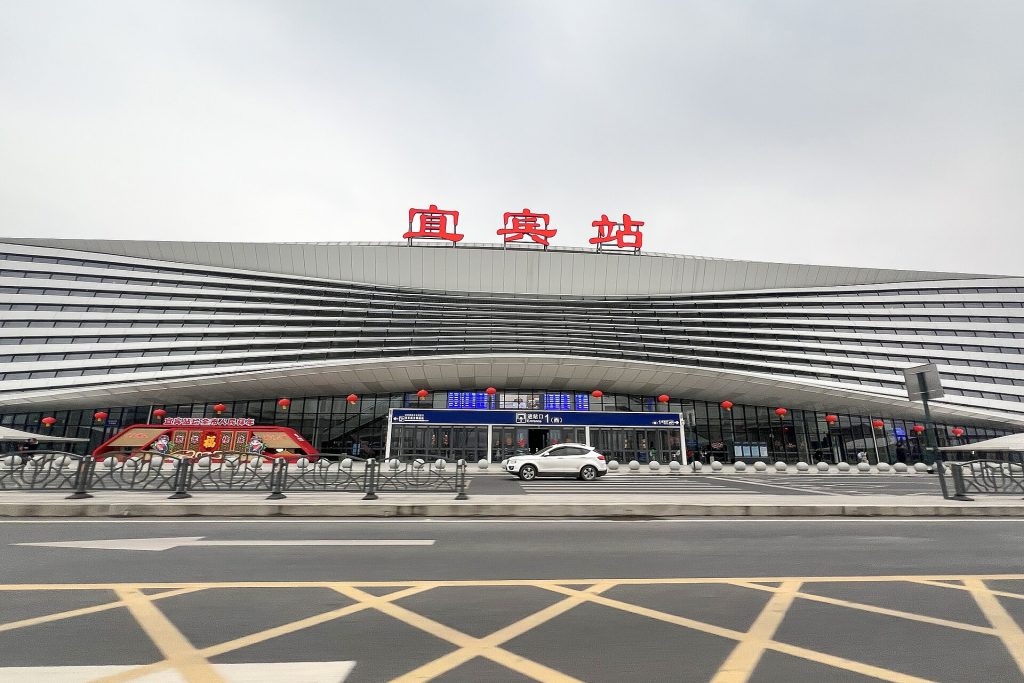
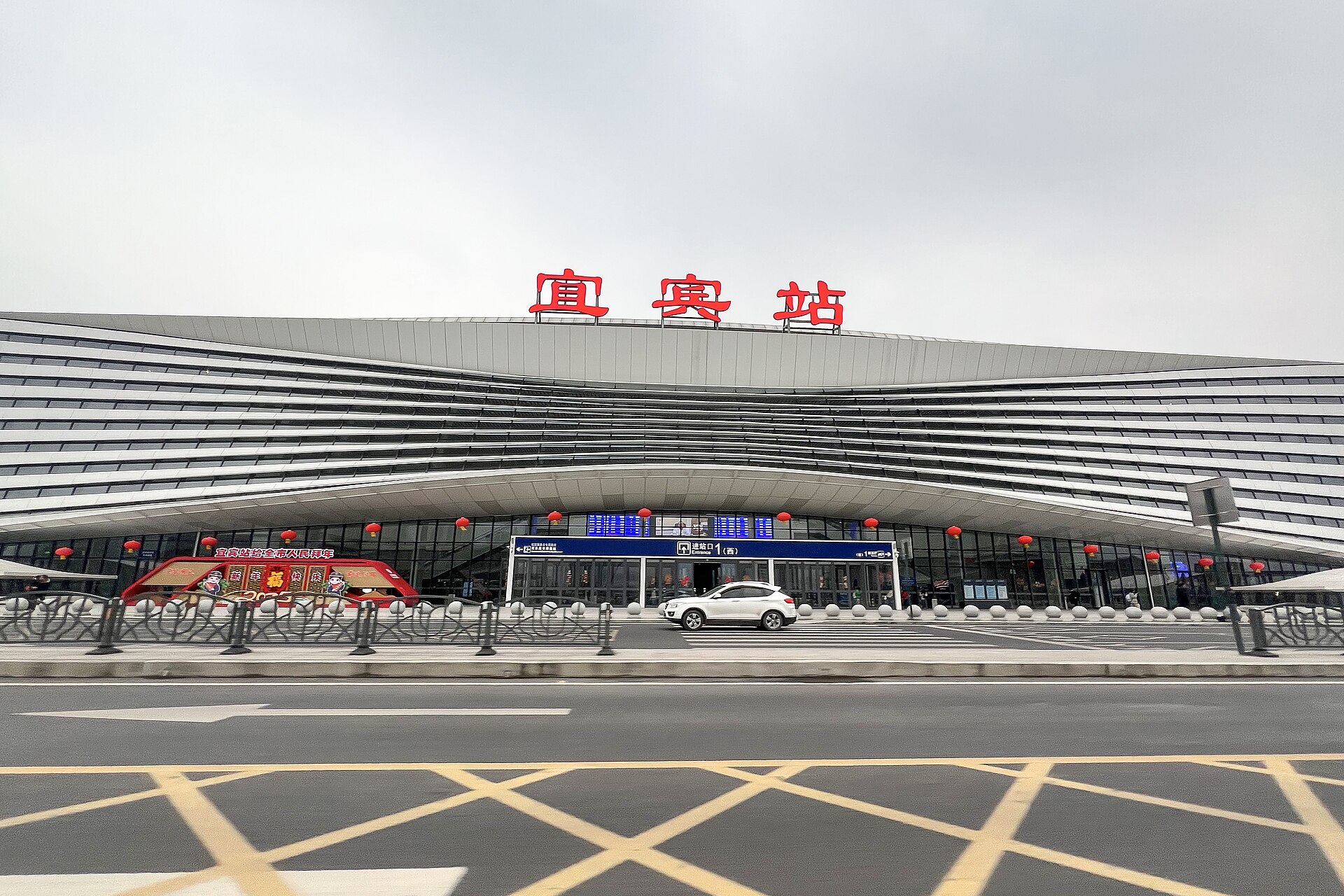
Yibin spreads along a narrow peninsula where three rivers meet. The old downtown — Cuiping District — hugs the western bank, its lanes laid out in a fishbone pattern that funnels breeze off the water. Most visitors arrive at the high-speed rail station on the southern fringe, a glass-and-steel shed twenty minutes by car from the historic core. Taxis queue in a disciplined line; a ride to the riverfront costs roughly thirty yuan and takes you past walls draped in climbing fig vines. If you prefer the bus, the 101 and 102 routes follow the spine of the peninsula, stopping at the museum, the ancient town of Lizhuang, and the bamboo sea park entrance. Download a local ride-hailing app — DiDi works, but the Yibin-specific “E-Xing” often has drivers who know which alleyways flood when the summer monsoon hits.
Accommodation clusters in three zones. Business hotels tower near the railway station, convenient for early trains but sterile. Mid-range guesthouses line Renmin Road, their balconies overlooking the Min River; ask for a room facing the water to wake to the sound of barges hitting the dock. For atmosphere, book a courtyard room in Lizhuang Ancient Town, thirty kilometers downstream. The wooden shutters creak at night, and the host will likely invite you to share a pot of tea brewed with mountain spring water. Wherever you stay, carry small bills — many family-run noodle shops and ferry tickets still prefer cash.
Eating Like a Local: From Burning Noodles to River Fish
Yibin cuisine rides on three pillars: fermented bean paste, Sichuan peppercorn, and the freshwater bounty of the converging rivers. The signature dish, Ran Mian (burning noodles), arrives dry in a porcelain bowl — alkaline wheat strands tossed with rendered pork fat, crushed peanuts, sesame, scallions, and a spoonful of chili oil that smokes when stirred. No broth. The heat builds slowly, numbing the lips before the savor of the fat coats the throat. A proper version uses noodles pulled that morning, the peanut powder ground coarse, and chili oil infused with erjingtiao pepper dried on the rooftop.
- Fresh alkaline wheat noodles — 200 grams per person
- Rendered pork leaf lard — two tablespoons
- Roasted peanuts, crushed to gravel — one tablespoon
- Toasted sesame seeds — one teaspoon
- Finely sliced scallion greens — one stalk
- Yibin chili oil (erjingtiao base) — two tablespoons
- Light soy sauce — one teaspoon
- Zha cai (preserved mustard stem), minced — one tablespoon
- Boil noodles ninety seconds; drain, shake hard to remove surface water.
- Return to hot bowl; toss immediately with lard until strands glisten.
- Add soy sauce, zha cai, chili oil; toss again.
- Plate; crown with peanut gravel, sesame, scallion.
- Eat standing at the counter — the noodles clump if they sit.
Ordering in a busy shop: shout “Yi wan ran mian, bu yao tang” — one bowl burning noodles, no soup. The cook will nod, flick a ladle of oil, and slide the bowl across the stainless counter. Pair it with a side of cold rabbit head, torn by hand, the meat sweet from star anise and cassia bark. For a river feast, seek out a restaurant with live tanks of yellow catfish and mandarin fish. Ask for “shui zhu yu” — water-boiled fish — where fillets swim in a cauldron of oil, peppercorn, and pickled chili until the meat flakes at a touch. Avoid the tourist boats moored near the confluence monument; their menus are laminated, the fish frozen, and the chili oil comes from a drum.
Walking the Layers: Lizhuang, Bamboo, and the Liquor Trail
Lizhuang Ancient Town survived the Cultural Revolution because it was too remote to bother with. Its main street follows the Yangtze in a gentle curve, paved with flagstones worn concave by centuries of straw sandals. The Xizi Lane alleyway opens onto a courtyard where a ginkgo tree, trunk wider than a man’s reach, drops golden fans in late autumn. The town’s real rhythm is the morning market: farmers from the hills lay out baskets of bitter bamboo shoots, wild mint, and knobby yams. Sit on a plastic stool at the tofu stall; the vendor presses hot curd into a wooden box, cuts squares, and hands you one dusted with chili salt. Eat it burning your fingers while watching an old woman mend fishing nets with a bone needle.
Thirty minutes south by car, the Shunan Bamboo Sea rolls over 120 square kilometers of ridges. The name suggests a forest; the reality is a managed plantation of moso bamboo, culms thirty meters high, their canopy filtering light into jade columns. Hike the ridge trail from the main gate to the Emerald Corridor — two hours of stone steps, the air thick with the scent of bamboo sap. Monkeys raid the trash bins at the pavilion; keep your snack wrappers zipped. In the rainy season, mist clings to the culms and the path turns slick; wear shoes with deep tread. A cable car hauls the weary back down, but the queue at dusk can stretch an hour. Better to descend on foot, flashlight app on, listening to the culms knock together like hollow bones.
The Wuliangye distillery dominates the northern edge of the city. Tours run hourly, but the English narration is a recorded script about “harmony of five grains.” Skip the theater; walk the fermentation pits instead. Rows of mud-sealed vats, each the size of a bathtub, exhale a sweet, yeasty breath that clings to your jacket. The guide will let you dip a fingertip into the mash — sour, hot, alive. The tasting room pours three grades; the entry-level burns clean, the mid-tier lingers with melon, the reserve coats the glass like oil. Buy a miniature ceramic bottle from the factory shop if you want a souvenir that clears customs; the decorative gift boxes are heavy and the bottles often leak in luggage.
Seasonal Rhythms and Festival Currents
Spring arrives with the peach blossoms in the bamboo sea, usually the second lunar month. Locals picnic under the trees, spreading cloths printed with red bats. The air hums with kites — hand-painted swallows on bamboo frames. Summer brings the Dragon Boat Festival on the fifth day of the fifth lunar month. The riverfront fills with teams pounding drums, long boats knifing through the current. Street vendors grill whole fish stuffed with lemongrass and garlic, wrapped in lotus leaves. The heat is brutal; midday temperatures climb above thirty-five degrees with humidity that turns shirts to rags. Carry a folding fan and a packet of salted plum powder to sprinkle on watermelon slices.
Autumn, the eighth lunar month, is the sweet spot. The rice paddies around the counties turn gold, and the river runs clear after the flood pulse. The Mid-Autumn Festival sees families on the riverbank lighting lanterns shaped like carp, releasing them downstream. Winter is quiet, damp cold that seeps through concrete. The Lantern Festival on the fifteenth day of the first lunar month lights the ancient town with paper globes; vendors sell sticky rice balls stuffed with black sesame, served in ginger syrup. If you visit in the cold months, order a hot pot of mutton with radish and dang gui root — the broth steams the windows opaque.
Moving Between Towns: Ferries, Trains, and Mountain Roads
The Yangtze ferry still runs between Yibin and Luzhou, a slow overnight drift past limestone cliffs and orange groves. Tickets are sold at the wharf ticket window — no online booking. Arrive an hour before departure; the gangplank is narrow, and porters claim the best deck space for their cargo. Bring a thermos, instant coffee, and a thick blanket; the cabins are unheated and the night wind off the water cuts through cotton. For speed, the high-speed line connects Yibin West to Chengdu in seventy minutes, to Guiyang in ninety. Trains depart every thirty minutes at peak; stand in the “no seat” queue if the app shows sold out — conductors often release standing-room tickets at the gate.
Reaching the bamboo sea or the stone forest of Xingwen requires a hired car or the county bus. The county buses leave from the south gate station when full, not on a timetable. The driver will honk, shout the destination, and wait until the aisle packs with baskets and chickens. Hold your bag on your lap; the overhead racks are reserved for sacks of grain. The mountain roads switchback through tea terraces; if you get motion sick, sit near the front and stare at the horizon. Return trips leave the scenic areas at 4 p.m. sharp — miss the last bus and you’re negotiating a private van for triple the fare.
What Newcomers Get Wrong
First mistake: assuming “Yibin” means only the urban core. The municipality spans an area half the size of Beijing, and the attractions — bamboo sea, stone forest, ancient towns — are scattered across counties an hour or more apart. Plan one major site per day, not three. Second: ordering “mild” in a Sichuan restaurant. The chef will still ladle chili oil; “mild” here means they omit the fresh green pepper garnish. If you truly cannot handle heat, ask for “bu la” and point to a clear soup dish on a neighboring table. Third: relying on translation apps for menus. Many dishes have poetic names — “Ants Climbing a Tree” (vermicelli with minced pork), “Husband and Wife Lung Slices” (cold beef offal in chili oil) — that translate literally into nonsense. Learn to recognize the characters for pork (猪), beef (牛), fish (鱼), and tofu (豆腐); point and nod.
Fourth: skipping the morning market because you slept late. By nine a.m., the best bamboo shoots are gone, the tofu is sold out, and the vendor packing up her wok gives you a look that says you missed the point of the city. Fifth: treating the river as scenery. The Yangtze here is a working artery — barges push coal, sand dredgers roar, fishermen cast nets from skiffs. Stand too close to the embankment edge during a passing towboat and the wake will soak your shoes. Locals step back instinctively; watch them. Finally: leaving without a jar of Yibin zha cai. The preserved mustard stem, fermented in clay jars with baijiu lees, is the flavor that follows you home. Buy it vacuum-sealed at the supermarket near the railway station; the market stalls sell loose packs that leak in your backpack.