The minibus from Kashgar shuddered to a halt beside a dusty lot where apricot kernels spilled from burlap sacks. Heat rolled off the asphalt in visible waves. I grabbed my pack, paid the driver thirty yuan, and stepped into a city that still smells of dried mulberry and diesel exhaust. Yarkand does not announce itself with neon arches. It simply appears — low adobe walls, poplar lanes, the rhythmic thump of a dough press from a courtyard bakery — and waits for you to slow down.
Getting There Without Losing a Day
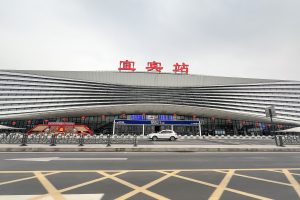
The train is the sensible choice. High-speed carriages glide from Kashgar in two hours, seven departures daily, hard-seat tickets around thirty yuan. From Hotan the ride stretches to three and a half hours, five trains a day, forty-five yuan. Buses crawl the same corridor — four hours from Kashgar, six from Hotan — and the seats feel every pothole. Flights land at the airport southwest of town; a taxi into the center costs sixty yuan and forty minutes. Unless you are connecting onward to Urumqi, the train beats the plane on price and total door-to-door time.
Sleeping Inside the Old Town
Guesthouses cluster behind the Id Kah-style mosque on the west side of the old quarter. Look for a wooden door with a brass knocker; inside, a courtyard shades a grape trellis and a raised platform (tapchan) where the family serves breakfast. A double room with shared bath runs eighty to one hundred twenty yuan. Ask for a room facing the alley, not the street — poplar leaves mute the traffic. In summer, the courtyard stays cool enough to nap at noon. In winter, the kang (heated brick bed) is the only warm spot after sundown.
Walking the Tomb Complex at Dusk
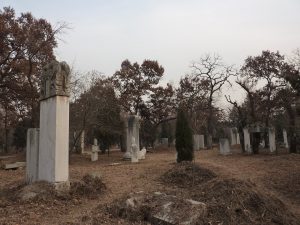
The royal tombs sit two kilometers northeast, past the melon fields. A caretaker unlocks the iron gate at eight in the morning and locks it at seven in the evening. Enter through the domed gatehouse, follow the stone path past the reflecting pool, and you reach the main mausoleum — turquoise tiles cracked by centuries of wind, interior walls painted with fading lotus scrolls. The real quiet lives in the side chambers where lesser wives and princes rest under plain brick domes. Stay until the call to prayer echoes from the city mosque; the light turns the tiles gold and the tourists have already left.
Market Day: What to Buy, What to Skip
Sunday is the big bazaar. By seven the lanes fill with farmers unloading pomegranates, walnuts, and stacks of nan bread the size of steering wheels. Vendors shout in Uyghur and Mandarin; the air thickens with cumin smoke from lamb kebabs. Walk past the tourist stalls selling machine-embroidered caps. Instead, follow the smell of frying dough to a woman flipping girde nan in a clay tandoor — hot, blistered, sprinkled with sesame. A bag of ten costs five yuan. For souvenirs, hunt the back row where old men sell hand-knotted wool socks and apricot-wood spoons. Bargain with a smile; start at half the asking price and settle at two-thirds.
Eating Like a Local
Lunch is laghman — hand-pulled noodles in a tomato-chili broth with bell pepper, onion, and tender beef strips. The best bowl hides in a courtyard restaurant behind the main mosque: follow the sound of dough slapping a marble slab. Dinner means polo, rice steamed with carrots, raisins, cumin, and chunks of mutton fat that melt into the grains. Order a side of cold cucumber salad dressed with vinegar and garlic to cut the richness. Tea arrives in small bowls, green in summer, black with milk and salt in winter. Refusing a refill is polite only after the third pour.
Seasonal Rhythm and What to Pack
Spring arrives with the apricot blossoms in the third lunar month; daytime highs reach twenty degrees, nights still nip. Summer brings forty-degree afternoons — carry a wide-brim hat, sunscreen, and a liter of water before ten in the morning. Autumn, eighth lunar month, is the sweet spot: melons pile high in the market, temperatures hover in the mid-twenties, and the poplars turn amber. Winter drops below freezing; the kang becomes essential and the bazaar thins to a handful of stalls selling dried fruit and coal. Whenever you come, bring cash — small denominations — because card readers fail when the sandstorm knocks out the network.
Common Missteps
- Booking a flight Kashgar–Yarkand to save time. The train costs one-tenth and gets you to the city center faster once airport transfers are counted.
- Staying in a chain hotel on the highway. You miss the courtyard breakfasts, the call to prayer through the window, and the neighbor who teaches you to say “raxmat” (thank you) correctly.
- Arriving at the tomb complex at noon in July. The marble courtyard radiates heat; the caretaker may close early for prayer.
- Photographing women in the bazaar without asking. A raised camera without permission draws sharp words; a nod and “meti?” (may I?) usually earns a smile.
- Expecting English menus. Point, gesture, learn the characters for beef (牛肉), mutton (羊肉), and noodles (面).
Yarkand rewards the traveler who lingers past the bus stop. One night on a tapchan, eating warm nan dipped in yogurt while the poplars whisper, and the Silk Road stops being a phrase in a guidebook and starts feeling like the dust on your boots.