The minibus shuddered to a halt on a dusty shoulder of the S228 provincial road. Steam rose from a stainless steel pot beside the driver’s door — hand‑pulled noodles, beef broth, a slick of chili oil. I had been chasing the Yellow River’s big northern bend for two days, and Yanjin County (延津县) appeared not as a dot on a map but as the smell of wheat dough and river mud mixing in the cold spring air.
Finding the place on the ground
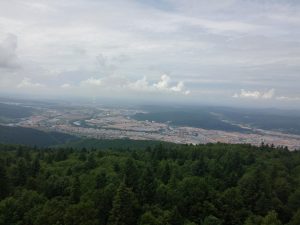
Yanjin sits on the north bank of the Yellow River in the upper reaches of the North China Plain, administratively part of Xinxiang City in northern Henan. The county seat clusters around a broad intersection where the old G107 highway meets the newer expressway spur. To the south, the river widens into a braided channel flanked by poplar shelterbelts; to the north, the land flattens into wheat fields that stretch toward the Taihang foothills. Most visitors arrive intending to cross the river at the historic ferry point or to trace the old canal towpaths that once linked Kaifeng to the north. The county itself is compact — you can walk the central grid in twenty minutes — but the surrounding villages and river wetlands spread out enough to fill a weekend.
Getting there without a private car
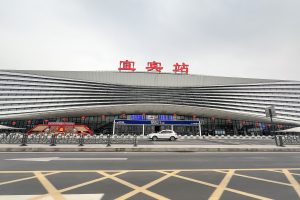
High‑speed rail is the easiest entry. Xinxiang East Station (新乡东站) lies about forty kilometers west of the county seat. Trains from Zhengzhou East take thirty‑five minutes; from Beijing West, two and a half hours. Outside the station, a line of licensed taxis and shared minivans waits for the next departure. Negotiate a flat fare to Yanjin bus station — usually around eighty yuan for a private car, twenty per seat in a shared van. The ride follows the G107 upgrade, then cuts east on the S228 across the river floodplain.
If you prefer buses, the Xinxiang General Bus Station (新乡汽车总站) runs direct coaches every forty minutes from the east square. The journey lasts just over an hour and drops you at the Yanjin County Bus Station on Jiefang Road. From there, local route 1 or 2 connects to the river park and the old town lanes. Drivers rarely speak English; show the characters 延津汽车站 on your phone screen.
Self‑drivers from Zhengzhou take the S82 Zhengxin Expressway east to the S228 exit, then follow signs for Yanjin. The toll road ends at the county boundary; the final ten kilometers are two‑lane blacktop shared with grain trucks and electric tricycles. Parking in the county center is informal — pull into any courtyard lot beside a noodle shop and pay the attendant five yuan for the day.
What to do when you arrive
Start at the Yellow River Wetland Park (黄河湿地公园) on the southern edge of town. A raised boardwalk threads through reed beds where egrets stalk the shallows. In late autumn, migrant swans gather in the oxbow lakes; in early summer, the air hums with cicadas and the scent of wet loam. The park has no ticket gate — just walk in from the riverside road. Bring a thermos and sit on the concrete embankment; barge tows pass close enough to feel the wash.
North of the park, the Old Ferry Street (古渡街) preserves a stretch of Qing‑era storefronts. The wooden signboards are repainted, but the layout follows the original wharf where grain junks once moored. A small museum in a converted guild hall displays a rusted anchor chain, a set of river‑pilot logs, and a map of the 1938 flood diversion. It takes twenty minutes to see everything. The caretaker, an elderly man in a Mao suit, will point out the high‑water marks on the doorframes if you ask.
For a longer walk, follow the towpath east along the old Wei Canal (卫河故道). The canal bed is dry now, lined with willows and vegetable plots. Villagers dry chilies on tarps beside the path. After three kilometers you reach the ruins of a Sui‑dynasty granary — earthen mounds and a few brick foundations. No signage, no fence. You’ll share the site with a shepherd and his flock.
Eating like a local
Yanjin’s cuisine leans on wheat and river fish. The signature dish is hui mian (烩面) — wide hand‑shaved noodles stewed in a mutton broth thickened with starch, topped with daylily buds, wood ear fungus, and a spoonful of fermented bean paste. A proper bowl arrives steaming in a blue‑rimmed porcelain basin, the noodles chewy enough to resist the spoon.
- Home‑style hui mian
Ingredients: 300 g high‑gluten flour, 200 g mutton shoulder, 50 g dried daylily buds, 30 g wood ear fungus, 2 Tbsp fermented bean paste (豆瓣酱), 1 Tbsp wheat starch, ginger, green onion, salt.
Steps:
1. Knead flour with cold water into a firm dough; rest thirty minutes.
2. Slice mutton thin; blanch, then simmer with ginger and green onion for forty minutes.
3. Soak daylily and wood ear; slice.
4. Pull dough into wide noodles; drop into boiling broth.
5. Thicken with starch slurry; stir in bean paste, daylily, wood ear.
6. Ladle into basins; finish with a drizzle of sesame oil.
In town, head to Lao Zhang Hui Mian (老张烩面) on Jiefang Road, two doors west of the bus station. Order “大碗加腐乳” — large bowl with fermented tofu on the side. The broth should be opaque, not clear; the noodles should cling together when lifted. Avoid places that serve the noodles floating in a thin soup — that’s a cafeteria shortcut.
River fish appears at the night market near the wetland park entrance. Look for kao quan yu (烤全鱼) — whole carp butterflied, brushed with cumin‑chili paste, grilled over charcoal until the skin blisters. Eat with your fingers, peeling the sweet flesh from the bones. A side of cold wheat noodles tossed in vinegar, garlic, and shredded cucumber cuts the richness.
Sleeping and practicalities
The county has no international‑brand hotels. The best option is the Yanjin Hotel (延津宾馆) on Renmin Road — a four‑story building with clean rooms, hot water after 7 p.m., and a breakfast spread of steamed buns, pickled radish, and millet porridge. Rates hover around 180 yuan for a standard double. Book by calling the front desk; online platforms often show “full” when rooms are available.
Budget travelers can use the Home Inn‑style express chain (如家派柏·云) near the expressway exit. Rooms are smaller but have reliable Wi‑Fi and 24‑hour hot water. Expect 120 yuan. Both places accept Alipay and WeChat Pay; bring cash for street vendors and taxi fares.
Public toilets are marked with blue signs along the main streets. The wetland park has a modern facility at the main entrance. Carry tissue — few public stalls provide it. Tap water is not potable; buy 5‑liter jugs at any convenience store for three yuan.
What newcomers get wrong
First, they treat Yanjin as a day trip from Xinxiang. The county deserves an overnight — the river light at dusk, the sound of barges pushing upstream, the morning market where farmers unload baskets of garlic shoots — these don’t fit into a six‑hour window.
Second, they follow the GPS “scenic area” pin to the Yellow River Bridge viewpoint. That spot is a concrete railing beside a four‑lane highway. The real river experience is the unmarked embankment behind the wetland park, where locals fly kites in the spring wind.
Third, they order “spicy” expecting Sichuan heat. Henan spice is fermented bean paste and white pepper — deep, savory, lingering. Ask for “微辣” (mild) if you want the flavor without the sweat.
Fourth, they assume English works at the bus station. Write your destination in characters, learn the phrase “延津汽车站怎么走” (how to get to Yanjin bus station), and keep a screenshot of the return bus timetable — the last coach to Xinxiang leaves around 6:30 p.m. in winter, 7:30 p.m. in summer.
Finally, they skip the morning market on Xinhua Street. It opens at 5:30 a.m., peaks by 7:00, and vanishes by 9:00. That’s where you’ll see the county awake: steamed bun vendors stacking bamboo trays, an old woman sharpening cleavers on a whetstone, the smell of frying dough sticks rising through the mist. Buy a warm you tiao, dip it in soy milk, and you’ve tasted Yanjin more honestly than any guidebook can describe.