The minibus rattles past rows of poplar trees, their leaves flickering silver in the wind off the Bohai Sea. Ahead, the highway dips toward a coastline where the water turns the color of weak tea, and the smell of brine mixes with diesel exhaust. This is Yingkou — Liaoning’s salt-and-steel gateway — where the beach is wide enough to lose a kite in, and the night market smoke carries the scent of cumin and charred garlic long after the sun drops.
Getting There and Moving Around
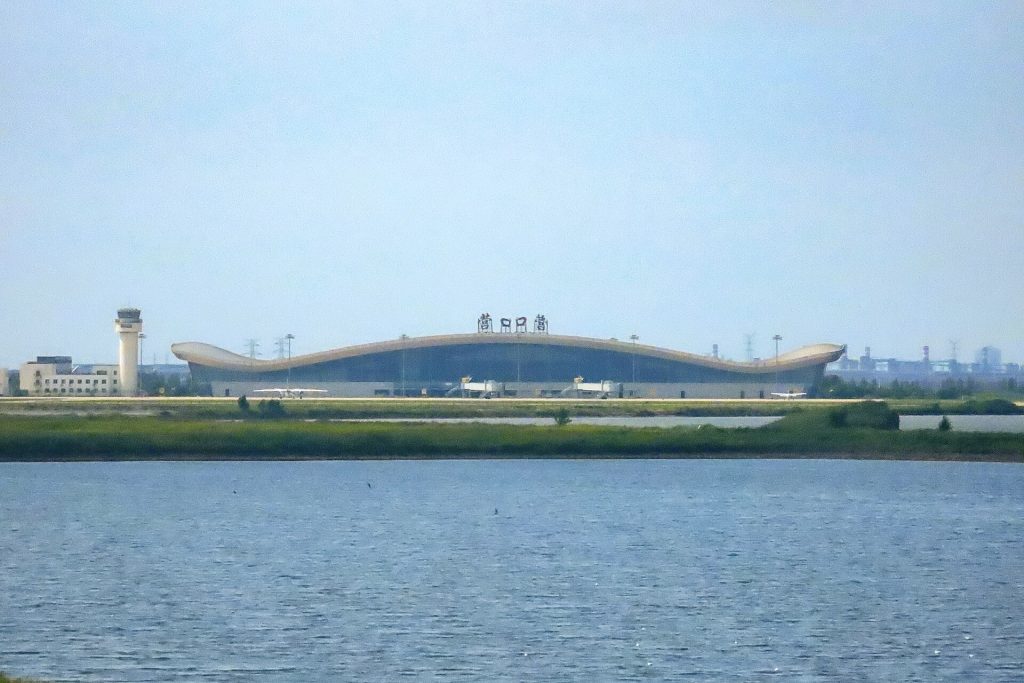
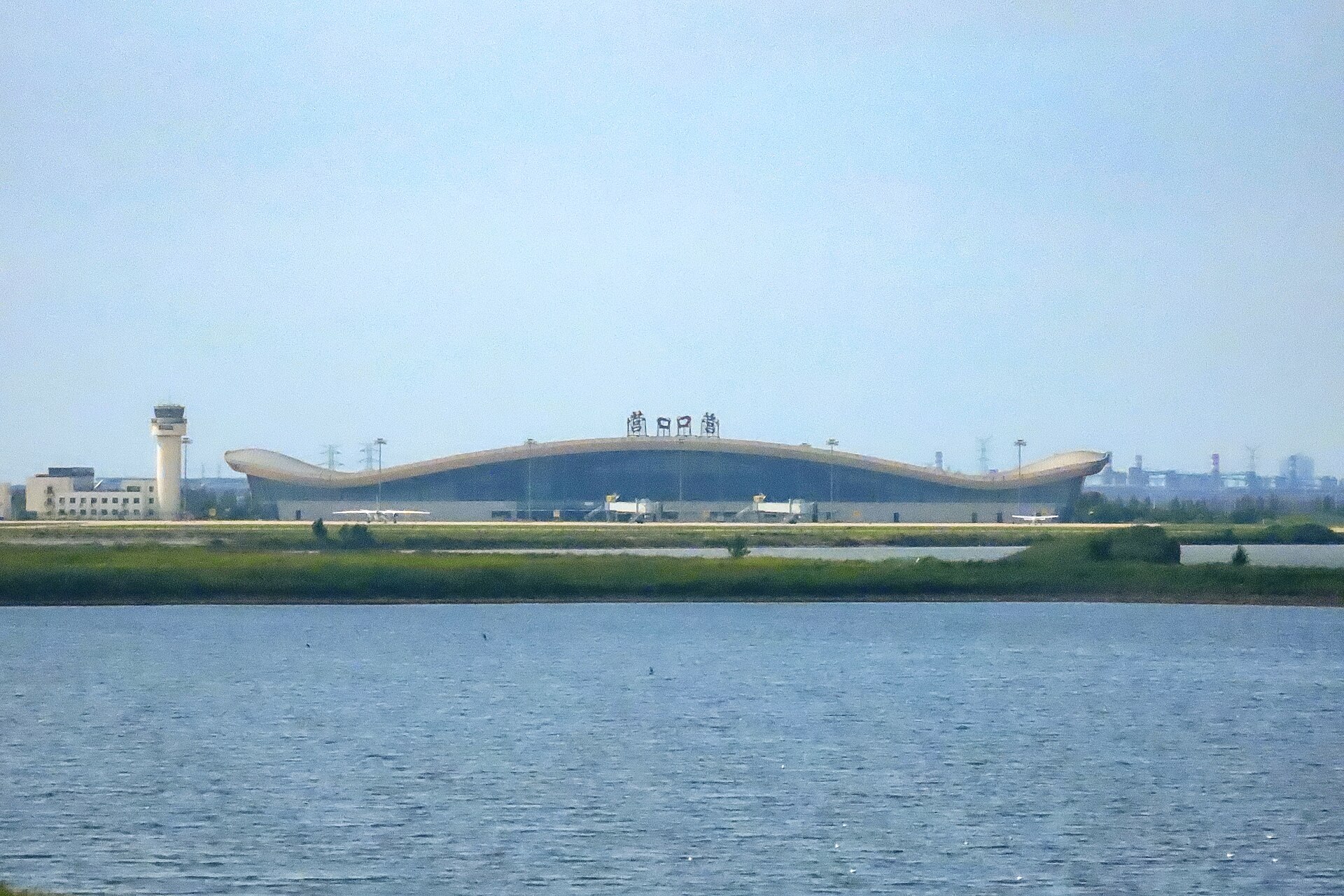
Yingkou Lanqi Airport sits about forty minutes from the city center. Flights connect from Shenzhen, Shanghai, Harbin, and a handful of smaller hubs, but the schedule thins out after the autumn holiday. Most travelers arrive by high-speed rail; the station at Yingkou East links directly to Shenyang in forty minutes and Dalian in just over an hour. From the station forecourt, a taxi meter starts at six yuan for the first two and a half kilometers, then ticks up every four hundred meters. Ride-hailing apps work fine, though drivers sometimes cancel short rides during the summer beach rush. If you’re staying near the bays, rent an electric scooter from a shop on Binhai Road — helmets included, deposit refunded when you return it before dark.
Where the Water Meets the Sand
Yueya Bay curves like a sickle moon, its tide line retreating a hundred meters at low water. Families stake out pop-up tents, grandparents dig for razor clams with plastic rakes, and teenagers fly stunt kites that snap in the offshore breeze. The sand here is coarse and golden, heated by noon to the point where bare feet hop. Walk north past the cluster of grilled-squid stalls and the crowds thin; you’ll find tide pools trapping hermit crabs and the occasional jellyfish the size of a dinner plate. Basha Bay, ten minutes south by scooter, feels wilder — fewer vendors, steeper dunes, and a rocky headland where fishermen cast long rods into the swell. Fairy Island, accessible by a causeway that disappears at high tide, is less an island than a spit of pine scrub and concrete paths. Go at dawn for the gulls; by midmorning the tour buses unload.
Steam and Stone
Xiongyue Hot Spring sits in a valley where the air smells of sulfur and pine resin. The public bathhouse is a maze of tiled pools: a scalding “dragon eye” at forty-two degrees, a herb-infused tub turning the water the color of weak oolong, and an outdoor rock pool where steam rises like ghost ribbons in the cool air. Locals arrive with plastic stools, towels draped over shoulders, and stay for hours, cycling between heat and the cold plunge. Bring your own scrub mitt and a bottle of water; the vending machines only sell sugary tea. Qinglong Mountain rises behind the springs, its trails threaded through oak and maple. The hike to the main peak takes two hours at a steady pace, passing a half-collapsed watchtower and a cliffside shrine where incense sticks curl in the wind. Buyun Mountain, farther west, is steeper and quieter — monks from Lengyan Temple sometimes walk its ridges at first light.
Incense and Iron Roofs
Lengyan Temple sprawls across a hillside north of the city, its yellow-glazed tiles catching the late afternoon sun. The complex grew fast after the pagoda was finished in the late nineties; now it claims one of the largest footprints of any Buddhist site in the northeast. Enter through the mountain gate where stone lions wear red silk sashes tied by pilgrims. The main hall holds a sandalwood Buddha flanked by eighteen arhats, each face carved with a different expression — amusement, sorrow, fierce concentration. Monks chant at four-thirty in the morning; the sound carries down the stone steps to the parking lot where vendors sell strings of prayer beads and roasted chestnuts. Photography is allowed in the courtyards but not inside the halls. If you stay for the vegetarian lunch — simple rice, pickled mustard greens, tofu braised in soy — eat in silence at the long communal tables. Leave a few yuan in the donation box by the door; no one watches, but the gesture matters.
Eating Like a Local
Yingkou’s signature meal is self-barbecue. You sit around a recessed charcoal pit, the server brings a tray of raw ingredients, and you cook everything yourself. The rhythm is simple: oil the grill with a chunk of pork fat, lay down marinated lamb skewers, flip once when the edges curl, brush with cumin-chili powder. Next, sheets of tofu skin, enoki mushrooms bundled in foil, thick-cut potato slices, and whole garlic heads that turn sweet and spreadable. Dip each piece in a saucer of sesame oil, minced garlic, and chopped scallion. The best places don’t have English menus — point at the picture wall or watch the table next to you. Order a bottle of Lao Xuehua beer, served in a bowl of ice. Finish with a bowl of cold noodles tossed in vinegar, cucumber, and chili oil to cut the grease.
- Lamb shoulder, sliced paper-thin and marinated in soy, rice wine, and five-spice
- Pork belly strips, scored and brushed with fermented bean curd
- Tofu skin sheets, cut into squares
- Enoki mushrooms, root ends trimmed
- Potatoes, sliced five millimeters thick
- Whole garlic heads, loose cloves
- Sesame oil, minced garlic, chopped scallion for dipping
- Cumin powder, chili flakes, salt for sprinkling
- Charcoal, pork fat for oiling the grill
- Lao Xuehua beer or chilled mung bean soup
Heat the charcoal until it glows white. Rub the grill with pork fat. Lay lamb slices in a single layer; cook thirty seconds per side. Sprinkle cumin-chili mix. Move to the cooler edge. Repeat with pork belly, then vegetables. Wrap garlic heads in foil, bury in ash for ten minutes. Squeeze cloves onto potato slices. Eat hot, dip often.
Sleeping Near the Sound of Waves
Beachfront hotels in Yueya Bay range from tiled-room guesthouses with shared bathrooms to a handful of four-star towers with sea-view balconies. Book early for the summer holiday; rooms vanish by the lunar fifth month. In the off-season, you can walk the strip at dusk and negotiate a weekly rate with a landlord who’d rather have a quiet tenant than an empty floor. The Wanda Plaza area, inland near the train station, chains a dozen mid-range brands — clean beds, reliable hot water, and a Starbucks in the mall basement if you need a morning coffee before the breakfast stalls open. Apartments listed on short-term apps often sit in high-rise compounds with keypad entry; check that the host provides a portable Wi-Fi router, because building broadband sometimes requires a Chinese ID to activate. Wherever you stay, ask for a room facing away from the main road — the trucks rumble past until midnight.
What Trips Up Newcomers
First, the tide. Yueya Bay’s mudflats look solid at low water but turn to sucking silt within minutes of the turn. Every year a few tourists lose sandals — or worse, need rescue — because they chased a crab too far. Check the tide chart posted at the lifeguard tower or ask a vendor; they know the rhythm better than any app. Second, the barbecue grill. Beginners pile everything on at once, flare the fat, and char the outside while the inside stays raw. Cook in small batches, use the cooler zones, and don’t be shy about asking the server to adjust the charcoal. Third, the temple. Visitors sometimes step on the threshold of the main hall — always step over. And don’t point at the Buddha statues; cup your hand palm-up instead. Finally, transport after dark. The last bus from the beach to the station leaves around ten. After that, taxis cluster near the night market but may refuse the meter, quoting a flat fee. Have your destination written in Chinese, agree on the price before the door closes, and keep small bills ready.