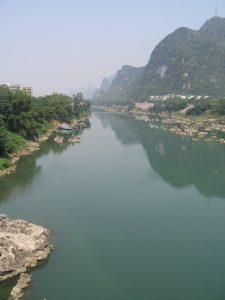
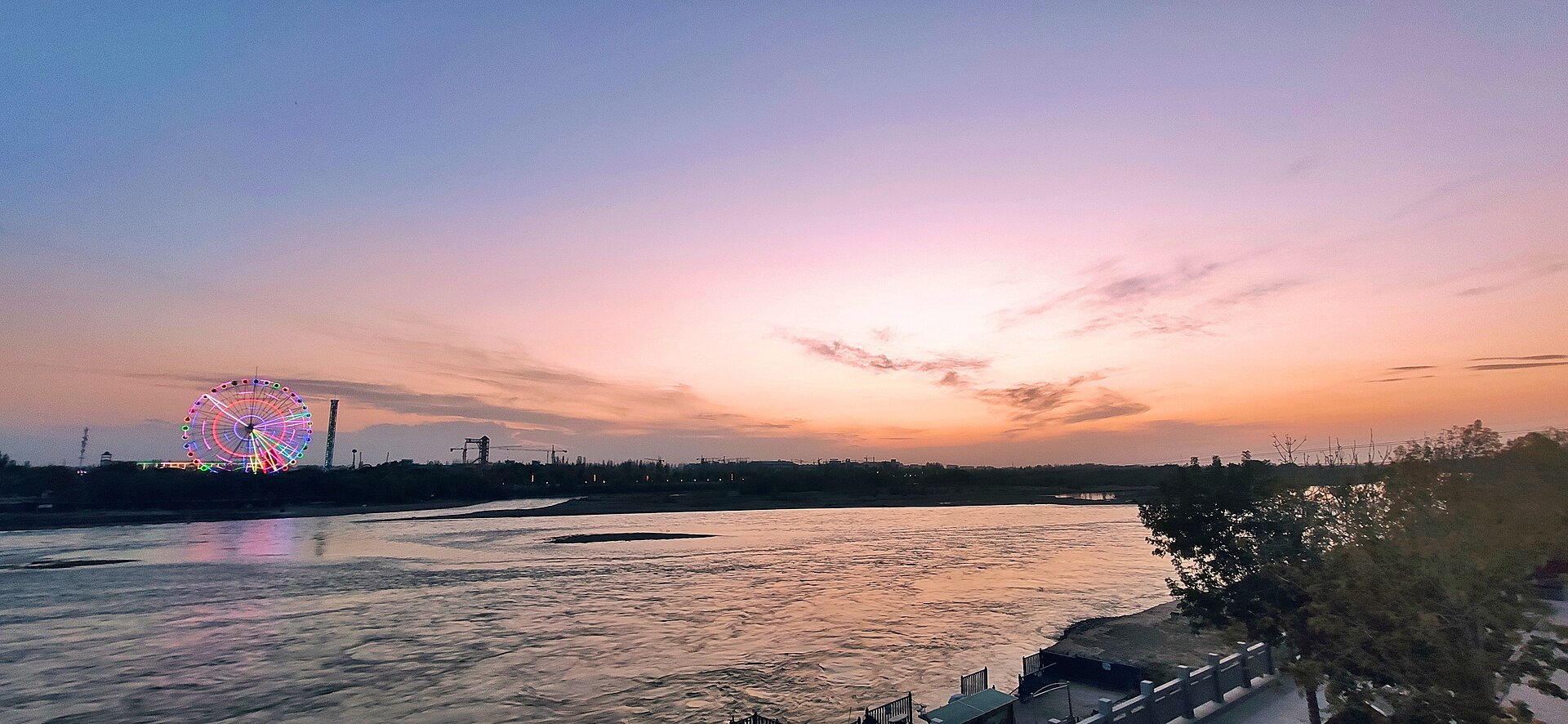
The minibus shuddered to a halt on a dusty pull‑out just outside the city limits, and the driver gestured toward a line of poplars that marked the river’s edge. Beyond them the Ili River glittered, wide and brown‑green, fed by snowmelt from the Tianshan peaks that rose like a wall to the south. No desert stretched here — just orchards heavy with apricots, fields of wheat rippling in the wind, and the low adobe roofs of a city that has traded tea, horses, and gossip for centuries. I shouldered my pack, breathed air that smelled of cut grass and woodsmoke, and understood why travelers linger longer than they plan.
Getting Oriented
Yining — called Ghulja by Uyghurs, Kulja by Kazakhs, and Yili by almost everyone who lives here — sits on the north bank of the Ili River in the broad Ili Valley. The valley catches moisture that bypasses the Taklamakan, so the landscape stays green deep into summer. The city center fans out from People’s Square, where a statue of a herdsman on horseback watches over morning tai‑chi groups and evening dance circles. Main arteries like Jiefang Road and Yili River Avenue are lined with plane trees that throw shade over sidewalk vendors selling grilled lamb skewers, hand‑pulled noodles, and steaming cups of milk tea.
Orientation is simple: the river runs east‑west along the southern edge, the railway station squats two kilometers north of the square, and the long‑distance bus station sits near the western ring road. Taxis are metered but drivers often prefer a flat fare for cross‑town trips; agree on the price before the meter starts. Shared minibuses (mianbao che) follow numbered routes painted on their windshields — route 2 and route 8 cover most visitor needs. If you rent an e‑bike, the bike lanes along the river promenade are the smoothest way to see the city at your own pace.
When to Arrive
Spring arrives early in the valley. By the third lunar month the apricot orchards on the outskirts burst into pale pink, and locals picnic under the blossoms with plates of laghman and bowls of yogurt. Summer brings long, dry days — temperatures climb into the low thirties Celsius — but the river breeze keeps evenings comfortable. Autumn, around the eighth and ninth lunar months, is the sweet spot: the grape harvest stains fingers purple, the markets overflow with melons, and the poplar leaves turn a sharp gold that contrasts with the blue sky. Winter is cold and quiet, with snow dusting the mountains and the bazaar moving indoors; come then only if you want empty streets and steaming hotpot in a private room.
Where to Sleep
Accommodation clusters in three zones. Around People’s Square you’ll find mid‑range business hotels with reliable hot water, English‑speaking front desks, and breakfast buffets that include both congee and nan bread. A ten‑minute walk north, the streets near the Grand Bazaar hide courtyard guesthouses converted from old merchant homes — thick mud‑brick walls, grape‑vine pergolas, and hosts who wake you with fresh milk tea and homemade rose jam. For a quieter night, look at the riverside developments along Yili River Avenue; newer apartment‑style hotels there have balconies facing the water and easy access to the evening promenade where families fly kites and old men play chess.
Book ahead during the apricot blossom season and the week of the Corban festival — rooms vanish fast. If you arrive without a reservation, the bazaar area’s family‑run inns often have space even when apps show full; just walk in and ask the owner, who may be sitting in the courtyard shelling walnuts.
Moving Around the Valley
The city itself is walkable, but the valley’s real rewards lie beyond the ring road. Public buses run to the nearby Kazakh villages of Khorgos and Huocheng, where you can visit yurt workshops and taste fermented mare’s milk (koumiss) served in wooden bowls. For the alpine lakes at Sayram and the lavender fields near Huiyuan, hire a private driver for the day — negotiate a flat rate that includes waiting time, and confirm the vehicle has working heat if you travel in late autumn. The road to the border crossing at Khorgos Port is paved and scenic, winding through rolling hills dotted with sheep; allow three hours round‑trip from the city center.
Shared SUVs (hei che) congregate near the long‑distance bus station. Drivers shout destinations — “Sayram! Sayram!” — and leave when the back seat fills. It’s cheaper than a private car but less flexible; you’ll depart on their schedule and stop at roadside stalls for tea breaks that can stretch to half an hour. Bring snacks and a thermos.
Daily Rhythm and Local Expectations
Life in Yining follows the sun and the call to prayer. Shops open around nine, close for a long lunch and noon prayer, then reopen until dusk. The Grand Bazaar hits its stride mid‑morning: Uyghur women in embroidered doppas haggle over bolts of atlas silk, Kazakh herders unload sacks of dried apricots, and Hui butchers slice halal beef with cleavers that flash in the sunlight. If you pause to photograph a stall, make eye contact, smile, and ask — most vendors wave you on, but some older women prefer not to be photographed.
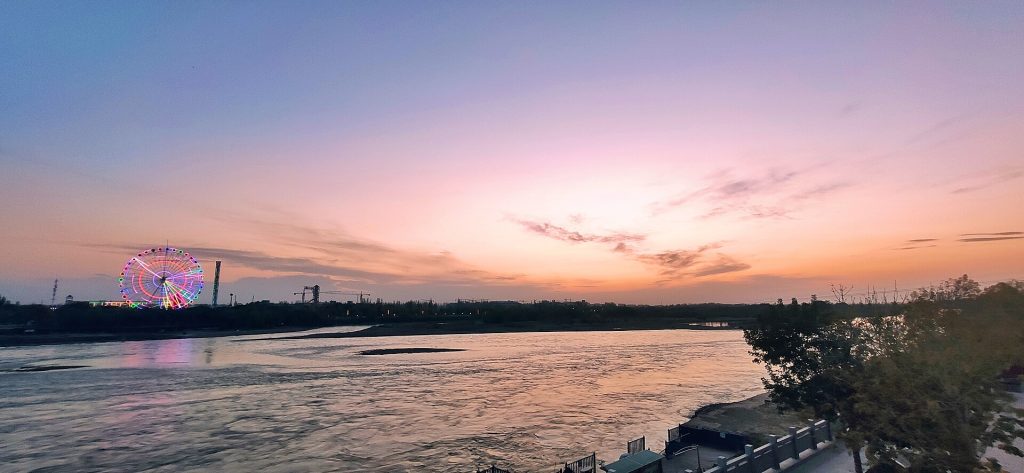
Friday is the busiest market day; the livestock section on the bazaar’s western fringe fills with sheep, cattle, and the occasional horse. Visitors are welcome to watch, but stay clear of the trading pens and don’t step between a buyer and an animal. In the evening, the river promenade becomes a social spine — families spread blankets, teenagers rent tandem bikes, and street musicians play the rawap, its fretless neck sliding between melancholy and joy. Join a circle if you’re invited; refuse politely if you’d rather observe.
Common Missteps
- Assuming “Yining” is the name everyone uses. Say “Ghulja” or “Yili” and watch faces light up.
- Showing up at a mosque during prayer without removing shoes or covering shoulders. Carry a lightweight scarf and slip‑on shoes.
- Ordering only familiar dishes. The menu’s magic lives in the unfamiliar — try naren (hand‑shredded noodles with lamb broth), samsa baked in a tandoor, and cold liangpi tossed with chili oil and vinegar.
- Skipping the smaller towns. A day trip to Huiyuan’s old bell tower or a night in a Kazakh family’s yurt on the summer pasture reveals layers the city center cannot.
- Relying solely on mobile payment in the bazaar. Many older vendors still prefer cash; keep small denominations of yuan handy.
Leaving Without Regret
On my last morning I walked the river promenade before dawn. Mist clung to the water, and a lone fisherman cast his net in a slow arc. An elderly Uyghur man passed, carrying a thermos and two bowls — he poured tea for both of us without a word, and we stood watching the sky pale behind the mountains. No translation was needed. When the bus to Ürümqi finally pulled away, the valley’s green stayed with me, not as a photograph but as the taste of warm nan dipped in yogurt, the sound of the rawap drifting over poplar leaves, and the certainty that I would return.