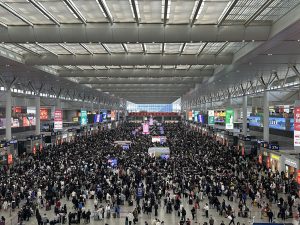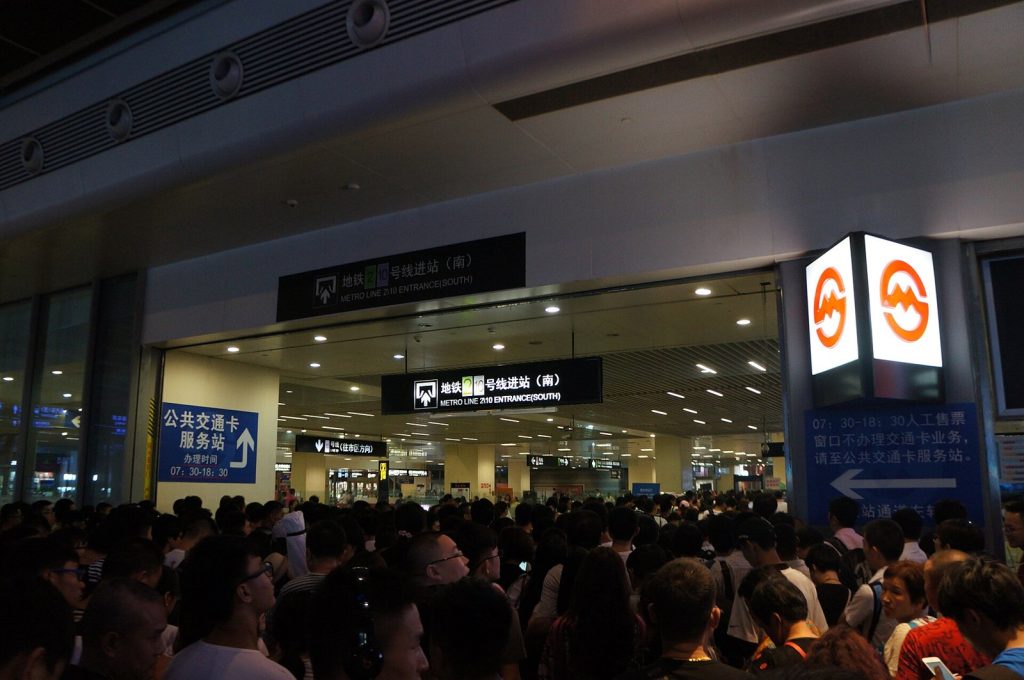
Day six is when the whole country turns around
Today is Tuesday 6 October 2026, day six of Golden Week. Under the State Council’s 2026 holiday notice (国办发明电〔2025〕7号), the National Day holiday runs from Thursday 1 October to Wednesday 7 October, and Saturday 10 October is a makeup workday. That means most offices reopen on Thursday 8 October and then work three days in a row before Sunday.
That calendar shape is why day six matters. People who want a buffer day before work start heading home now, and people who stretched the trip to the very end leave tomorrow. On 5 October the Traffic Management Bureau of the Ministry of Public Security told drivers, through Xinhua, that 6 October would bring the holiday’s return peak. If you are moving anywhere today or tomorrow, you are moving with a very large crowd.
This guide explains the Golden Week day six return peak 2026 for English-speaking travelers and residents: what the officials have actually said, why the peak looks the way it does, and practical ways to dodge the worst of it. For background on rail specifically, read our Golden Week HSR return rush guide; for yesterday’s picture, see Golden Week day five crowds.
What officials have said about the return
We are not going to invent passenger forecasts. Here is what official channels have published, in plain English:
- Rail period. China State Railway Group (国铁集团) says the combined Mid-Autumn and National Day rail transport period runs 23 September to 8 October 2026. When tickets for 7 October, the expected return-peak day, went on sale on 23 September, the railway reported its highest single-day ticket sales on record.
- Night trains. The railway said it would run overnight high-speed trains on trunk lines such as Beijing–Shanghai, Beijing–Guangzhou and Beijing–Harbin on the nights of 5 to 7 October, plus high-speed sleeper (动卧) services on selected long routes through 12 October.
- Regional extras. The Shanghai railway bureau said it planned extra night high-speed trains from the evening of 5 October into the early hours of 6 October on busy Yangtze River Delta routes, and advised travelers facing sold-out trains to use 12306 waitlisting (候补) or connecting itineraries.
- Roads. The Ministry of Transport’s dynamic analysis for 6 October flagged 44 expressway sections likely to congest, mainly in Jiangsu, Guangdong, Hunan, Anhui, Zhejiang and Shaanxi, plus 79 service areas expected to be especially busy for EV charging.
- Toll-free cutoff. Cars with seven seats or fewer drive toll-free on toll roads from 00:00 on 1 October to 24:00 on 7 October. On expressways the time that counts is when you pass the exit toll lane. The ministry warned that cars may bunch up leaving expressways just before the cutoff on the evening of 7 October.
These points come from the State Council, China State Railway Group, the Ministry of Transport and the Ministry of Public Security as reported by Xinhua and official accounts. Train availability and road conditions change by the hour, so check the live channels before you set off.
Why the peak has two humps
The return does not happen on a single day. Think of it as two humps.
Hump one (day six). Families with children, people who drove long distances, and anyone who wants a quiet day at home before Thursday tend to travel today. Roads into big cities and rail corridors back to Shanghai, Beijing, Guangzhou, Shenzhen and other work hubs feel the pressure from late morning onward.
Hump two (day seven). The people who stay until the end travel on 7 October. Drivers watch the toll-free deadline, and many trains into major cities sell out early. Tomorrow evening, arrival halls, taxi ranks and metro transfers at big hub stations can all get busy at the same time.
Then comes a smaller shoulder on 8 October, the last day of the rail transport period and the first workday. Some people take a day of leave and travel then, so it is quieter than the peak but not empty.
How to dodge the return peak if you are travelling by train
Use waitlisting properly
If your train is sold out, the official 12306 app lets you join a waitlist (候补购票). You can usually add several trains and seat classes to one request. Pick a realistic deadline, keep your payment method ready, and watch for the notification. If you have never booked on 12306, follow our 12306 booking guide for visitors first. Foreign passport holders can register and book, but check that your passport details match exactly.
Look at connecting itineraries and night departures
When a direct train is sold out, 12306 often shows connecting options through a hub. The railway itself recommends these. Overnight high-speed trains and sleeper services on the main corridors are another option: arrival times can be awkward, but seats may be easier to find.
Leave early in the day
Morning departures before the late-morning rush are usually the calmer choice. If you must travel in the evening, give yourself more time than usual at the station.
Station habits that save time
- Check which station your ticket uses. Many cities have two or more big stations, and the railway warns that going to the wrong one is a common mistake.
- Arrive early. Security and ID checks slow down when halls are full.
- Keep your passport easy to reach. Foreign passports often go through a staffed gate rather than the face-scan gate.
- Watch the departure boards and 12306 app messages for platform changes and delays.
- Screenshot your ticket details in case mobile data slows inside a packed hall.
How to dodge the peak on the road
If you are driving, or riding with friends who are, the advice from transport officials is consistent: check live traffic and weather before you leave, plan rest stops, and avoid the busiest windows.
- Leave early or late, not mid-afternoon. Afternoons and evenings on 6 and 7 October are the most crowded.
- Do not race the toll-free deadline. The free period is judged by your exit time. Arriving at the exit after 24:00 on 7 October means a normal toll, which is a small cost next to a risky rush.
- Plan EV charging. With dozens of service areas expected to be busy for charging, top up before joining the expressway and treat service-area chargers as a backup.
- Missed exit? The traffic police are clear: carry on to the next exit and turn around there. Never reverse, stop, or cut across lanes at an exit.
- No drink-driving. Holiday dinners mean more alcohol. China’s rule is simple: if you drink, you do not drive.
Long-distance coaches and DiDi intercity rides face the same roads, so treat their times as estimates. Our DiDi guide for foreign visitors covers how to book.
How to dodge the peak in the air
Airports get the return wave too. Allow extra time for security, keep an eye on your airline app for gate changes, and plan your ground transport from the arrival airport before you board. A taxi queue at the end of a holiday can be longer than the flight felt. If you are connecting to a train, leave a generous buffer.
The quiet options: stay put, or go home a day early or late
The best way to dodge the return peak is not to be part of it.
- Stay one more night if your employer allows leave on 8 October or you work remotely. Many popular sights feel calmer once the holiday ends.
- Go home today, early. If you are still deciding, a morning train today beats an afternoon train tomorrow. Our guide to returning early before Golden Week ends covers how to change plans politely with hosts.
- Stay in your city and enjoy streets that are calmer while others travel. Local parks, neighbourhood restaurants and errands can be pleasant on day six.
Before you choose, remember that Saturday 10 October is a working day. Our makeup workday guide explains what that means for foreign staff.
Etiquette in a return-peak crowd
Crowds go better when everyone follows the same unwritten rules:
- Queue at the marked lines on the platform and let people off before boarding.
- Keep big luggage out of aisles and doorways. Use the racks at the carriage ends.
- Keep phone calls short and use headphones in carriages.
- Offer priority seats to older passengers, pregnant women and parents with small children.
- Be patient with staff. They are working the busiest days of their year.
FAQ
Which days are the Golden Week return peak in 2026?
Officials flagged 6 October as the return peak for road traffic, and the railway treated 7 October as its peak return-ticket day. Expect heavy traffic on both days and a smaller shoulder on 8 October.
When does the toll-free expressway period end?
At 24:00 on 7 October 2026, for passenger vehicles with seven seats or fewer. On expressways, the time you pass the exit toll lane is what counts.
My train is sold out. What can I do?
Use 12306 waitlisting, check connecting itineraries, and look at overnight or early-morning departures. Do not buy tickets from unofficial resellers.
Is 8 October a working day?
Yes. Thursday 8 October is the first workday after the holiday, and Saturday 10 October is also a working day under the State Council notice.
Where can I check live conditions?
Use the 12306 app for trains, your airline’s official app for flights, and the official traffic and transport accounts or navigation apps for road conditions.
Bottom line
Golden Week day six is when China turns around and heads home, and tomorrow is the second hump. Travel early in the day, use 12306 waitlists and connecting trains, don’t race the toll-free deadline, and think about whether staying put is the smartest move. Lovely China, founded in 2025, welcomes corrections at [email protected].