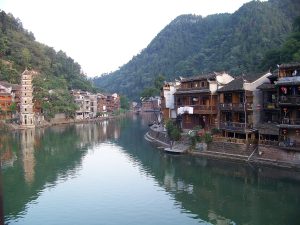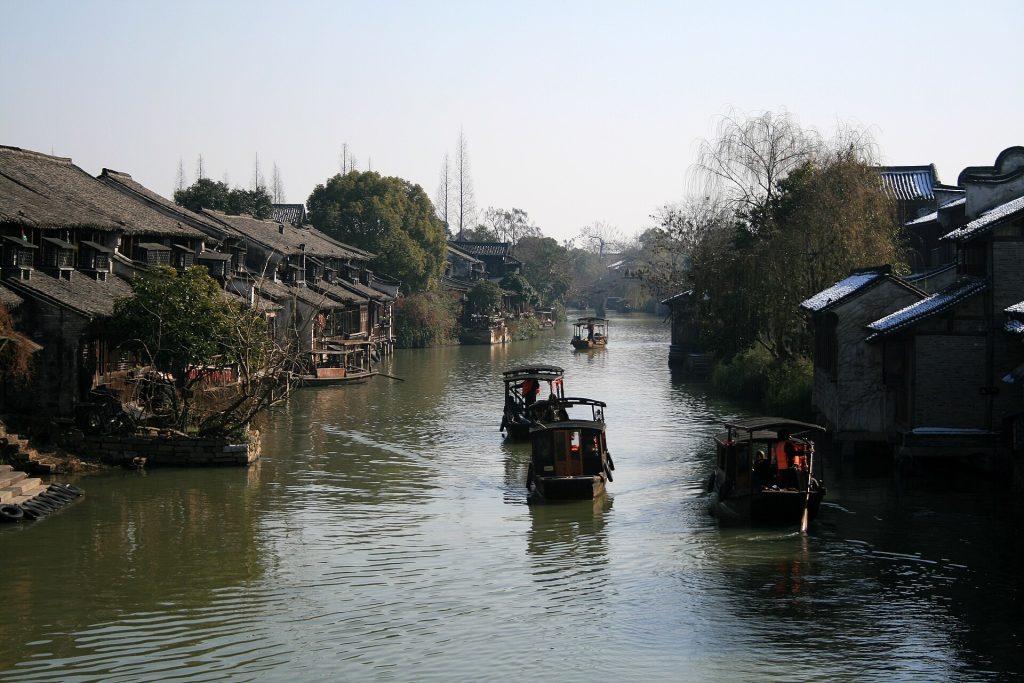
November is widely considered one of the absolute best months of the year to visit Wuzhen. As the humid heat of summer fades into crisp autumn air, the ancient water town’s slate pathways, thousand-year-old stone bridges, and deep-eaved Ming and Qing Dynasty houses settle into a tranquil mood. Mid-to-late autumn brings cooler, comfortable walking weather and fewer weekend holiday rushes than October’s Golden Week, making it an ideal escape from nearby urban hubs like Shanghai or Hangzhou.
If you are planning an excursion to this famous Jiangnan water town, navigating the dual-zone layout, securing the right tickets, and knowing how to time your walks can make the difference between a magical getaway and a rushed tourist shuffle.
—
Direct Answer: How to Plan Your November Visit
To experience Wuzhen at its best, we recommend planning a one-and-a-half-day trip or an overnight stay focused primarily on the West Scenic Zone (Xizha). Wuzhen is split into two distinct, ticketed areas: Dongzha (East Zone), which closes in the late afternoon and offers a glimpse of daytime local residential life and traditional craft workshops, and Xizha (West Zone), a meticulously restored historic resort district that stays open late, illuminates its canals with thousands of red lanterns after dark, and allows overnight stays within the ancient town walls.
Arrive by midday to explore the craft shops of Dongzha, check into a Xizha guesthouse by mid-afternoon, and stay through the evening to watch the canals light up.
—
Navigating Wuzhen’s Two Scenic Zones: East vs. West
Wuzhen is not a single open village; it is carefully managed into two major ticketed sectors sitting about 1.5 kilometers apart. Understanding their differences helps you prioritize your time.
Dongzha (East Scenic Zone)
* Character: More authentic, lower commercialization, and partially inhabited by long-term local residents.
* Key Highlights: The Mao Dun Former Residence, the Hongyuantai Indigo Fabric Workshop (where long blue calico panels hang out to dry), the Ancient Bed Museum, and traditional shadow puppet shows.
* Timing: Open roughly from 7:00 AM to 5:30 PM. There is no evening entry or night lighting here. Allow 2 to 3 hours for a thorough daytime walk.
Xizha (West Scenic Zone)
* Character: Expansive, beautifully landscaped, pedestrian-only, and world-famous for its nocturnal atmosphere.
* Key Highlights: The Bridge-in-Bridge (Zhongqiao), the White Lotus Pagoda, the Muxin Art Museum, traditional morning tea culture, and stunning night canal cruises.
* Timing: Open from 9:00 AM to 10:00 PM. The signature lighting turns on around dusk and stays on late, offering a completely different aesthetic than the daytime.
—
Ticket Types, Pricing, and Practical Booking Tips
Purchasing the correct ticket combination saves you both money and confusion at the gate.
* Individual vs. Combo Tickets: You can buy single-zone tickets (roughly ¥110 for Dongzha, ¥150 for Xizha) or a combined ticket for around ¥190 that covers both areas on the same day. If you are short on time and want to focus entirely on evening atmosphere, a cheaper Xizha evening-only ticket (available after late afternoon, around ¥80–120) is a popular budget choice.
* Bring Your Passport: Ticket verification and hotel check-ins inside the scenic zones require your physical passport. Keep it handy in an easily accessible pocket.
* Payment Infrastructure: While major ticketing booths accept digital systems, setting up your digital wallet ahead of time is essential for seamless travel across China. For guidance on getting set up, review our guide on Alipay and WeChat Pay for foreign visitors.
* Connectivity: Having a reliable data connection ensures you can check local shuttle schedules, navigate walkways via maps, and translate menu items effortlessly. Check out our tips on China SIM and eSIM for foreign visitors 2026 before departure.
—
What to Wear and Pack for November in the Jiangnan Delta
November weather in northern Zhejiang province is crisp, refreshing, but can turn damp as evening sets in along the water. Daytime temperatures hover around comfortable walking levels, but drop sharply once the sun dips below the horizon.
* Layering is Essential: Pack lightweight sweaters, a comfortable fleece, and a wind-resistant jacket or trench coat for evening canal walks.
* Footwear: Wuzhen’s ancient stone bridges and flagstone paths are picturesque, but they can be uneven or slick with morning dew. Bring sturdy, broken-in walking shoes with good grip.
* For a comprehensive breakdown of autumn gear, clothing choices, and weather contingencies across the region, consult our Packing list for China autumn.
—
How to Get There from Shanghai or Hangzhou
Wuzhen sits centrally in the Yangtze River Delta, making it an easy weekend extension if you are already exploring nearby major metropolitan areas.
1. By Train & Bus: Take a high-speed bullet train from Shanghai Hongqiao or Hangzhou East station to Tongxiang Railway Station (roughly a 30-to-40-minute journey). From Tongxiang station, local public buses (such as the K282 line) or a 20-minute taxi ride will bring you directly to Wuzhen’s tourist service centers.
2. Long-Distance Coaches: Direct buses run from major coach stations in Shanghai and Hangzhou, though they are more vulnerable to highway traffic delays.
3. Combining Destinations: If Wuzhen is just one stop on a broader autumn journey through eastern China, you can easily pair it with a vibrant urban stay by checking out our guides for Shanghai in November 2026 or Beijing in November 2026.
—
Frequently Asked Questions
Should I stay overnight inside Wuzhen or do a day trip?
An overnight stay inside Xizha changes the entire experience. Day-trippers usually leave by late afternoon just as the lanterns illuminate, missing the quietest and most atmospheric hours. Staying overnight allows you to experience the misty canals at first light before day-visitors arrive.
How do I travel between the East and West zones?
The two zones are separated by roughly 1.5 kilometers. Free shuttle buses operate regularly between the Dongzha and Xizha tourist service centers for ticket holders.
Are English signs and services widely available?
Yes. Major signs, museum exhibits, and ticket centers feature English translations. However, smaller family-run guesthouses or traditional food stalls may rely primarily on translation apps, so having a translation tool ready on your phone is recommended.
Can I visit Wuzhen if I am traveling on a short layover?
If you qualify for visa-free transit policies in the region, visiting nearby historic water towns is entirely feasible. Review the latest entry parameters via our guide on China 240-Hour Visa-Free Transit 2026.
What local dishes should I try?
Do not miss Wuzhen’s signature soy-sauce braised duck (酱鸭), local white water fish from the canals, and traditional steaming baskets of pork soup dumplings (xiaolongbao) at the morning water market.
—
<ElicitationsGroup message=”To help you finalize your autumn travel plans:”>
<Elicitation label=”Explore a complete 3-day itinerary combining Shanghai and Wuzhen” query=”Provide a detailed 3-day itinerary combining urban sightseeing in Shanghai with a relaxing overnight stay in Wuzhen water town.”/>
<Elicitation label=”Review essential tips for using digital payments in China” query=”How do I set up and verify Alipay and WeChat Pay with a foreign credit card for traveling in China?”/>
<!–
title: Wuzhen Water Town in November 2026: Quiet Canals, Stone Bridges and Ticket Tips
slug: wuzhen-water-town-november-2026
category: Travel
focus: Wuzhen November water town visit East West scenic zones
meta: Visit Wuzhen water town in November 2026: cooler canal walks, East vs West scenic areas, ticket and boat tips, and how to plan a day trip from Shanghai or Hangzhou.
cover_alt: Stone bridges and canal houses lining a quiet waterway in Wuzhen, Zhejiang
cover_credit: Photo: Nablazzz / Wikimedia Commons (CC BY-SA 3.0)
–>
</ElicitationsGroup>