Changsha is a city defined by fire. It is famous for its fiery summer temperatures, its fiery spicy cuisine, and the fiery, relentless energy of its legendary nightlife. But if you visit in November, you get a beautiful reprieve from the heat while retaining all the vibrant street culture that makes this city one of China’s most dynamic urban playgrounds.
For first-timers traveling in late autumn 2026, November is arguably the most comfortable window to explore Hunan’s capital. The brutal summer humidity that blankets the Yangtze River basin is long gone, the massive domestic Golden Week crowds of October have dispersed, and the city’s famous neon-lit food streets are an absolute joy to walk through in the crisp evening air.
Here is your practical, comprehensive 2-to-3 day planner for mastering Changsha in November without burning out, getting lost, or melting your palate.
The Reality of Changsha’s November Weather (and Leaves)
Hunan’s autumn is notoriously short, and November acts as the rapid bridge between mild, golden fall weather and a damp, bone-chilling winter.
Early to Mid-November: Expect daytime highs around 18°C to 22°C (64°F–71°F). It’s premium walking weather—crisp, often sunny, and ideal for outdoor exploring along the river or up in the hills.
Late November: Temperatures drop noticeably, with highs hovering around 12°C to 15°C (53°F–59°F) and chillier nights that can dip into the single digits. The dampness from the Xiang River can make it feel colder than the thermometer reads.
The Autumn Foliage: Let’s be honest about the leaves. Changsha is famous for the striking red maples on Yuelu Mountain, immortalized in classical Chinese poetry. However, if you arrive in early November, you will mostly see green with only sparse patches of yellow. The vibrant red maples typically do not peak until late November and often bleed into early December. If foliage is your main goal, push your dates toward the very end of the month.
Because the temperature can swing drastically from a sunny afternoon to a damp evening, your Packing List for China Autumn Travel October November 2026 should prioritize versatile layers. Bring a light thermal base, breathable long-sleeve shirts, a fleece, and a solid windproof jacket for the riverfront breezes.
Where to Stay: Choosing Your Basecamp
Changsha is massive, and choosing the right neighborhood can make or break your itinerary. For a short trip, stay central.
Wuyi Square (The Beating Heart): If you want to step out of your hotel directly into the neon-soaked, chaotic energy of Changsha’s food scene, this is the place. It is incredibly convenient for the metro, but it can be loud late into the night.
The Xiang River Banks / Beichen Delta: Ideal if you prefer a quieter night’s sleep. Hotels along the east bank offer stunning views of the river and Orange Isle, and you are just a short Didi (ride-hail) or metro ride from the downtown chaos.
Yuelu District (West Bank): Located near the university town, this area is greener, slightly slower-paced, and filled with cheap, incredibly authentic local eateries catering to students. It’s perfect if you want a more laid-back, academic vibe.
The 2-to-3 Day First-Timer Rhythm
Changsha is not a city where you need a full week to check off historical sites. A well-paced 2-to-3 day itinerary is perfect for hitting the highlights, eating well, and soaking in the culture before jumping on a high-speed train to your next destination.
Day 1: The Xiang River & Cyberpunk Nostalgia
Start your trip by getting a sense of the city’s geography, which is cleanly split by the massive Xiang River.
Morning: Orange Isle (Juzizhou).
This massive island sits right in the middle of the river like a giant green ship. The main attraction is at the southern tip: the colossal, 32-meter-tall granite bust of a young Mao Zedong, staring out over the water.
Timing Tip: In November, the midday sun is mild, so you don’t need to rush at dawn to beat the heat. Arrive around 9:30 AM. Do not attempt to walk the entire island unless you want to exhaust yourself on day one. Buy the 40 RMB sightseeing tram ticket to get up and down the island comfortably.
Afternoon: Taiping Street & Your First Milk Tea.
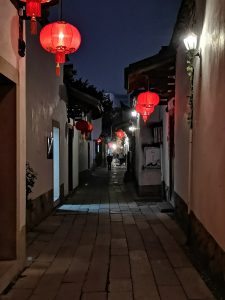
Head back to the east bank to explore the historic (though heavily commercialized) Taiping Street. Wander the cobblestone alleys, admire the preserved architecture, and get your first taste of Changsha’s ubiquitous tea brand, Cha Yan Yue Se (Sexy Tea). You will see a branch every 50 meters. The signature black tea with whipped cream and pecans is a must-try.
Evening: Super Wenheyou & The Riverfront.
For dinner, head to the massive, multi-story dining and culture complex known as Super Wenheyou (located near Hisense Plaza). It’s an architectural marvel styled like a sprawling, gritty 1980s Changsha neighborhood encased in a modern mall. Eat spicy crayfish (xiaolongxia) here. After dinner, walk off the calories along the riverfront as the city’s impressive skyline lights up.
Day 2: Ancient Academies & 2,000-Year-Old Mysteries
Cross to the west side of the river for a day dedicated to nature, history, and culture.
Morning: Yuelu Mountain & Academy.
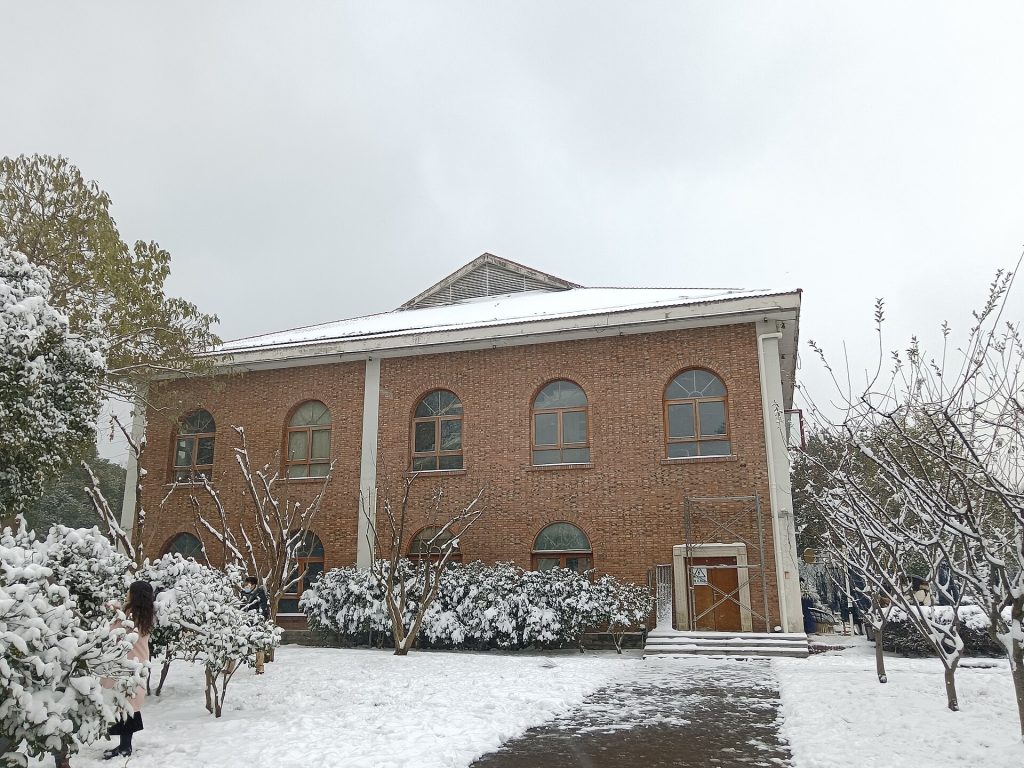
Start at Yuelu Academy at the base of the mountain. Founded in 976 AD during the Song Dynasty, it is one of the oldest and most prestigious academies in the world. Walk through the tranquil bamboo groves and ancient courtyards. From there, hike or take the cable car up the mountain. If visiting in late November, this is where you’ll hunt for the famous autumn maples around Aiwan Pavilion.
Lunch: University Town.
The area south of Yuelu Mountain is packed with students. Skip the fancy restaurants and dive into the small, bustling noodle shops and dumpling houses. The food here is incredibly authentic, unapologetically spicy, and exceptionally cheap.
Afternoon: Hunan Museum (Book well in advance!).
Take the metro back across the river to see the mesmerizing Mawangdui Han Tombs exhibit. This is a world-class archaeological display featuring the incredibly preserved 2,000-year-old mummy of Lady Dai (Xin Zhui), along with her stunning silk garments and lacquered coffins.
Crucial Tip: You cannot just walk in. You must book tickets via the museum’s WeChat Mini Program exactly 7 days in advance. Tickets sell out within minutes.
Day 3: Modern Changsha & The Nightlife (Optional)
If you have a third day, lean into the modern, bustling, and highly caffeinated side of the city.
Morning/Afternoon: IFS Tower & Wuyi Square.
Navigate the labyrinth of Wuyi Square and head to the IFS Tower, Changsha’s premier luxury mall. Take the elevator to the roof garden to snap a photo with the giant, iconic KAWS sculptures overlooking the city. Spend the afternoon café-hopping; Changsha has a booming independent coffee scene that rivals Shanghai.
Evening: Jiefang West Road & The Food Streets.
Avoid the “Top 10” internet-famous restaurants that demand 3-hour waits. Instead, wander around Pozi Street and Huangxing Road Pedestrian Street. If you enjoy nightlife, Jiefang West Road is famous across China for its dense concentration of mega-clubs, live house music venues, and bustling late-night street food carts that stay open well past 3:00 AM.
Navigating the Food Streets Without the Gimmicks
Changsha’s street food scene is legendary, but it’s also plagued by hyper-marketing. Every second stall claims to be a “must-eat” internet celebrity (wanghong) spot. Here is how to eat Changsha right:
Stinky Tofu (Chou Doufu): Changsha’s black stinky tofu is iconic and completely different from the varieties found in Taiwan or Shanghai. Don’t worry about finding the “number one ranked” stall. Look for a modest cart in a side alley off Pozi Street where locals are hovering. It should be deep-fried to a crisp on the outside, juicy on the inside, and pierced to allow a topping of fiery chili broth, garlic, and cilantro to seep inside.
Rice Noodles (Mifen): Forget Western breakfasts. Start your mornings like a local with a steaming bowl of flat rice noodles in a rich pork bone broth, topped with stir-fried pork, pickled long beans, and chopped chilies.
Sugar Oil Baba (Tangyou Baba): When your mouth is on fire, look for these golden, deep-fried glutinous rice balls coated in caramelized sugar. They are crispy, chewy, sweet, and the perfect antidote to Hunan spice.
Payment is Digital: Street vendors almost exclusively use mobile payments; they often do not have change for paper money. Before you step foot in the food markets, ensure your Alipay and WeChat Pay for Foreign Visitors in China 2026 setups are verified, active, and linked to your international card. You don’t want to be fumbling with cash for a 10 RMB skewer while a line forms behind you.
Logistics: Getting There and Getting Around
Changsha South Railway Station is one of China’s major high-speed rail hubs. It connects you effortlessly to Guangzhou (2.5 hours), Shenzhen (3 hours), and Wuhan (1.5 hours). Because it serves as a central artery, integrating Changsha into a larger southern China itinerary is incredibly easy. If you are flying into Changsha Huanghua International Airport, you can take the futuristic Maglev train directly to the high-speed rail station, where you can easily transfer to the city’s metro network.
Within the city, the Changsha Metro is clean, heavily air-conditioned, efficient, and English-friendly. However, the food districts, nightlife alleys, and mountain bases can be a maze. We highly recommend downloading a local map app; familiarizing yourself with How to Use Amap (Gaode Maps) in China as a Foreigner: 2026 English Guide will save you from getting hopelessly lost in the winding, multi-level alleys around Wuyi Square. For point-to-point travel, Didi (the local Uber equivalent, accessible via Alipay or WeChat) is cheap and plentiful, though traffic in the city center can be dense.
Frequently Asked Questions for Changsha in November
Is Changsha food too spicy for a foreigner?
Hunan cuisine (Xiang cuisine) is famously spicy, relying heavily on fresh and pickled chilies rather than the numbing peppercorns used in Sichuan food. If you have a low spice tolerance, you must learn the phrase “Bu la” (Not spicy) or “Wei la” (Mildly spicy). However, be warned: a Changsha chef’s idea of “mild” may still make you sweat! Keep a sweet milk tea handy.
Do I absolutely need to book the Hunan Museum in advance?
Yes. You cannot walk up to the ticket counter and expect to get in, especially to see the Mawangdui Tombs. Tickets are released on their official WeChat Mini Program one week in advance and are snatched up by tour groups and domestic travelers incredibly fast. Set an alarm to book exactly when they release.
Is November a good time to experience the nightlife?
Absolutely. While the outdoor patio drinking of summer is winding down, Changsha’s nightlife is an indoor, year-round powerhouse. The mega-clubs on Jiefang West Road and the late-night crayfish halls are packed and fully heated. The cooler weather actually makes moving between venues and standing at late-night food carts much more pleasant.
Will I see the red maples if I visit in early November?
Unlikely. Due to warming climate trends, the famous red maples on Yuelu Mountain usually don’t reach their vibrant peak until late November or early December. If you go in early November, expect mostly green foliage with early hints of autumn yellow.
November in Changsha strikes the perfect balance. It delivers the fiery spirit, bold flavors, and vibrant energy the city is known for, served up with a cool, comfortable autumn breeze that makes exploring it an absolute pleasure.
Related Lovely China guides
- China 144-Hour Visa-Free Transit: Who Qualifies and How to Use It
- Alipay and WeChat Pay for Foreign Visitors in China 2026
- How to Use Amap (Gaode Maps) in China as a Foreigner: 2026 English Guide
FAQ
Is this guide current for late 2026?
It reflects commonly reported practice as of October 2026. Always re-check official sources before you travel, because rules, ticket platforms and seasons change.
Where can I verify details?
Use the official website, WeChat account or ticket platform named for this topic. For payments and maps, see Lovely China’s practical visitor guides linked above.
What if my situation is unusual?
Ask your hotel, airline, park ticket office or embassy/consulate for case-specific advice rather than relying only on a blog post.