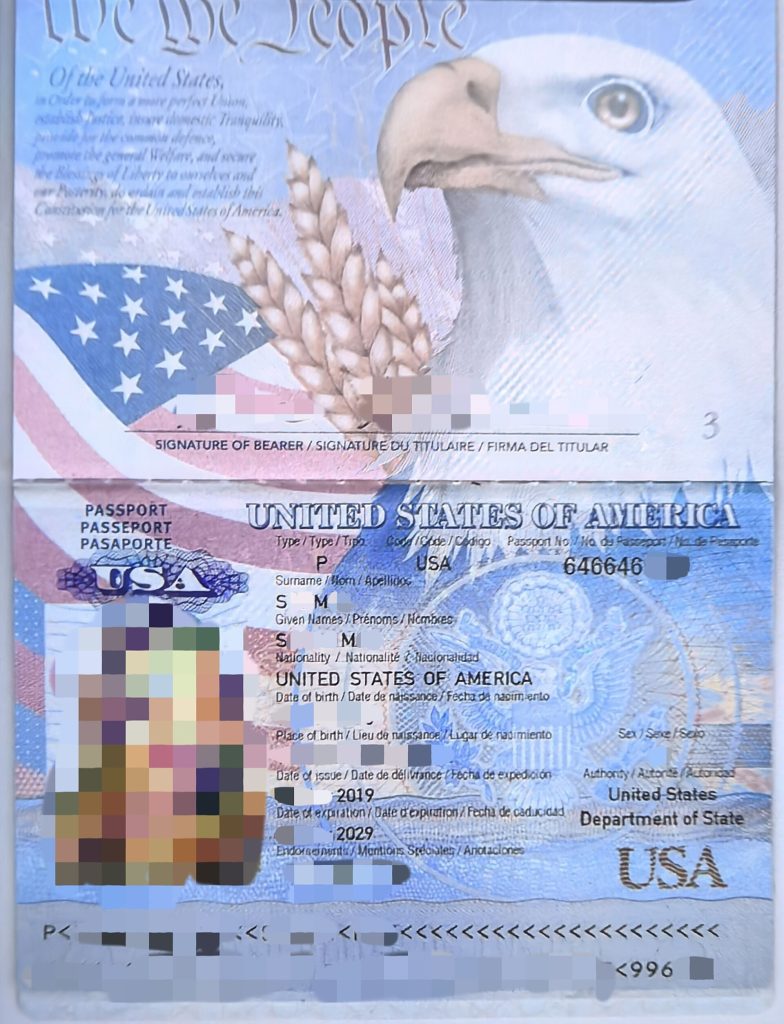
Traveling through China during the crisp autumn days of late October and November 2026 should be about marveling at the changing foliage or enjoying the seasonal cuisine—not standing on a street corner frantically emptying your backpack. But if you suddenly realize your passport is missing, the most important thing to do is take a deep breath.
Losing a passport in a highly digitized, ID-dependent country like China is a high-stress emergency. Without it, you are effectively frozen in place: you cannot board a train, catch a flight, or even check into a new hotel. However, the path to replacing it and returning home is a well-defined, albeit bureaucratic, process.
Here is your calm, highly practical, step-by-step guide on exactly what to do if your passport is lost or stolen in China.
Immediate Actions Before You Panic
Before you trigger the official replacement process—which permanently invalidates your current passport—ensure it is truly gone.
Retrace your digital steps: Did you take a Didi (ride-hailing) or a local taxi? Use the Didi app’s customer service feature to contact your driver immediately.
Check with your hotel: Call the front desk to see if housekeeping found it in your room or if you left it at the reception desk after currency exchange.
Check the train station: If you just got off a high-speed train, head straight to the station’s service desk. China’s railway lost-and-found system is highly efficient.
If 24 hours have passed or you are certain it was stolen, it is time to act.
Step 1: Obtain a Police Report (Confirmation of Loss)
You cannot simply go straight to the airport or even just your embassy. The absolute first official step you must take is visiting the local police station (派出所 – pàichūsuǒ) nearest to where the passport was lost or stolen.
You need them to issue a “Receipt of Report of Loss of Passport” (often called a Confirmation of Loss, or 护照遗失证明 – hùzhào yíshī zhèngmíng). Without this specific stamped document from the Chinese police, you will be unable to get a new passport from your embassy or an exit visa from the Chinese government.
Pro-Tip: If you lost your passport on a train or at the airport, you must go to the specific Railway Police or Airport Police detachment, not a standard city street precinct.
To locate the nearest station, you can use [How to Use Amap (Gaode Maps) in China as a Foreigner: 2026 English Guide]. Because English proficiency at local police stations can vary significantly, having a translation tool ready from your [Essential China Travel Apps for Foreigners: The 2026 Practical Tech Stack] will make filing the report much smoother. Even better, ask a bilingual staff member from your hotel to accompany you; many are willing to help foreigners in an emergency.
What to Do If You Lose Your Passport on a Weekend or Public Holiday
Timing plays a massive role in this emergency. While local Chinese police stations operate 24/7 and can issue your loss report at any hour, your embassy and the Chinese Exit-Entry Administration Bureau (EEAB) strictly operate on standard business hours (usually Monday to Friday, 9:00 AM to 5:00 PM).
If you lose your passport on a Friday night or during a major public holiday like the October Golden Week, you must still go to the police immediately to get your loss report. This document legally protects you if authorities ask for your ID. However, you will have to wait until the next working day to visit your embassy. Use this weekend downtime to gather your backup documents, take new passport photos, and mentally prepare to change your flight dates.
Step 2: Contact Your Embassy or Consulate
Once you have the police report in hand, your next stop is your country’s nearest embassy or consulate. Your goal here is to apply for an emergency travel document or a replacement passport.
Requirements, fees, and exact forms vary wildly depending on your nationality. Always check your specific embassy’s official website or call their emergency citizen services line before showing up. Most embassies require:
The original police report of the lost passport.
Passport-style photos (which you can usually get taken at a photo studio near the embassy or police station).
Proof of citizenship (a digital copy of your lost passport, a driver’s license, or a birth certificate).
A processing fee (often payable by credit card or cash in your home currency).
Do not rely on outdated travel forums for this step—trust only your embassy’s official 2026 guidance. Many embassies require you to book an emergency appointment online rather than simply walking up to the gate.
Step 3: Apply for a Chinese Exit Visa
This is the step that surprises and frustrates many travelers: Your new emergency passport from your embassy does not grant you the right to leave China.
Because your new travel document is totally blank and contains no proof of how or when you entered the country, you must apply for a Chinese Exit Visa (sometimes called a replacement visa or exit permit) from the local Exit-Entry Administration Bureau (EEAB) of the Public Security Bureau.
To get this, you will generally need:
Your new replacement passport or emergency travel document.
The original police report of the lost passport.
Your Accommodation Registration Form (临时住宿登记表).
Official visa photographs with a digital barcode receipt (usually taken at the EEAB building).
A Note on the Accommodation Form: If you are staying at a hotel, the front desk can print this for you. If you are staying with friends or at an unregistered Airbnb, you were legally required to register at the local police station within 24 hours of arrival. If you failed to do this, you may face a fine before the EEAB will process your exit visa.
Be prepared: this process routinely takes 5 to 7 business days. You cannot expedite it. You will absolutely need to extend your stay, pay flight change fees, and remain in the city where you are applying until the exit visa is issued.
How a Lost Passport Impacts Your Daily Travel
Navigating China without a physical passport temporarily paralyzes certain parts of your itinerary. You cannot simply flash your police report to get around the country’s strict ID checkpoints.
Hotels: By law, hotels must register foreign guests using a passport. If you are planning to change hotels, reconsider. You must explain your situation, and many budget or mid-tier hotels will simply refuse to check you in without a physical passport. Read up on [Hotel Registration for Foreigners in China 2026: What Happens at Check-In] to understand why the front desk needs to see your official police report and any temporary documents from your embassy to legally register you. It is highly recommended that you extend your stay at your current hotel until your new documents arrive, as they already have your original passport on file.
Transportation: You cannot board high-speed trains or domestic flights without a valid passport. Your travel plans will be frozen. If you must travel to another city to reach your embassy (for example, if you lose your passport in a smaller city and need to get to Beijing or Shanghai), you will likely need to hire a private driver or take a long-distance coach bus, as these sometimes accept the stamped police report in lieu of a passport.
Payments: If you only lost your passport and still have your phone, there is a massive silver lining: your digital wallets should still function flawlessly. You can continue using [Alipay and WeChat Pay for Foreign Visitors in China 2026] to pay for meals, local metro rides, and taxis while you sort out your documents.
How to Prepare Before Your Trip
The best way to handle a lost passport is to prepare for the worst before you ever scan your boarding pass at your departure gate.
Digital Backups: Take clear, well-lit photos of your passport information page, your valid Chinese visa, and—crucially—the entry stamp you receive at Chinese immigration. Email these to yourself and save them offline on your phone.
Physical Copies: Carry two printed color photocopies of your passport and visa, kept in a separate bag from your actual passport. Give one copy to your travel companion.
Spare Photos: Bring a few extra passport-style photos from home. Having these ready saves precious hours of running around a foreign city looking for a photo booth during an emergency.
Frequently Asked Questions (FAQ)
Can I just fly home with my emergency passport from the embassy?
No. Airport immigration will stop you from leaving the country if your emergency passport does not contain a Chinese Exit Visa. You must complete the EEAB process before going to the airport.
How long does the entire replacement process take?
Assuming you get your police report on Day 1, getting an emergency passport takes 1-3 business days. Getting the Chinese Exit Visa takes an additional 5-7 business days. Expect to be delayed in China for a minimum of one week to 10 days.
Will my 10-year Chinese tourist visa be transferred to my new passport?
No. The Exit Visa simply gives you permission to leave the country within a short window (usually 10 to 30 days). Your old multi-year visa is voided along with your lost passport. You will need to apply for a brand-new Chinese visa back in your home country before your next trip.
What if I find my lost passport after I reported it to the police?
Do not attempt to use it. Once a passport is reported lost to your embassy and the local police, its biometric data is flagged globally via Interpol databases. Trying to cross a border with a found, cancelled passport can lead to severe legal trouble and detention.
Does travel insurance cover these costs?
Usually, yes. Comprehensive travel insurance will typically reimburse you for embassy fees, exit visa fees, and the cost of extra hotel nights and flight changes required due to a stolen passport. Save every single physical receipt.
Related Lovely China guides
- Alipay and WeChat Pay for Foreign Visitors in China 2026
- How to Use Amap (Gaode Maps) in China as a Foreigner: 2026 English Guide
- China SIM and eSIM for Foreign Visitors in 2026
FAQ
Is this guide current for late 2026?
It reflects commonly reported practice as of October 2026. Always re-check official sources before you travel, because rules, ticket platforms and seasons change.
Where can I verify details?
Use the official website, WeChat account or ticket platform named for this topic. For payments and maps, see Lovely China’s practical visitor guides linked above.
What if my situation is unusual?
Ask your hotel, airline, park ticket office or embassy/consulate for case-specific advice rather than relying only on a blog post.