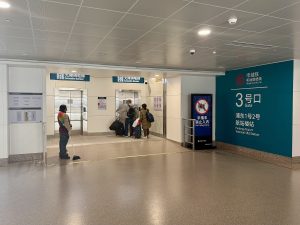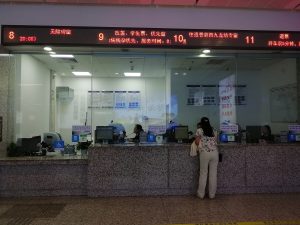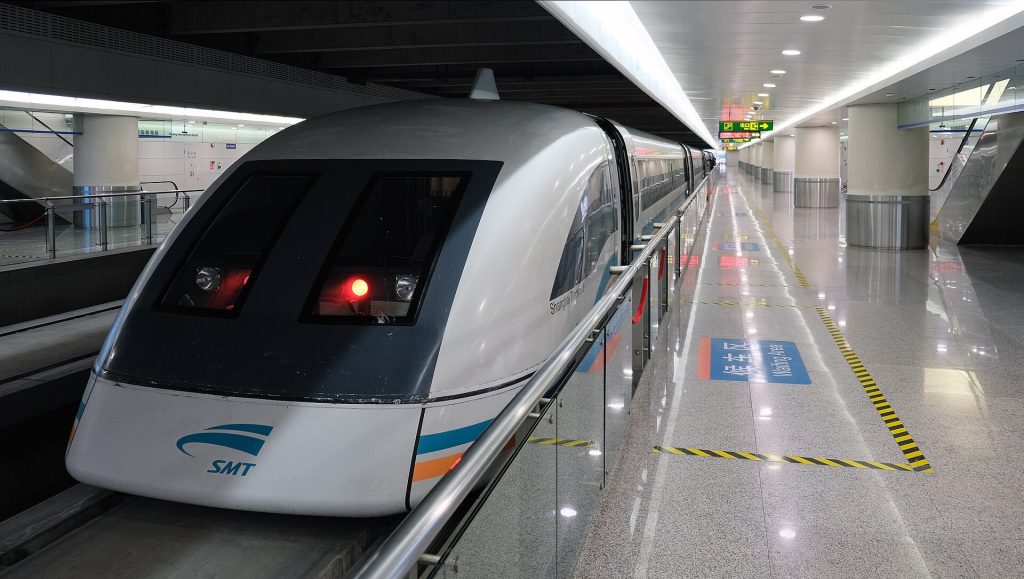
Landing at Shanghai Pudong (PVG), you will hear three options on repeat: Maglev, metro, or a car. This 2026 guide explains when Maglev makes sense, how it connects to the metro, and how to decide with luggage and November schedules. Pair with the Shanghai first-visit guide hub.
Maglev in one paragraph
The Maglev links Pudong Airport with Longyang Road, where you transfer to the metro network. It is a speed play for travellers whose hotels sit conveniently beyond that transfer—not a magic door-to-door teleport.
When Maglev wins
Choose Maglev when you want the airport-to-Longyang segment done quickly, you can handle a transfer with your bags, and your final metro ride is short. Check operating hours on official boards for your arrival day—do not trust memorised last-train lore.
When metro or car wins
Late nights, heavy luggage, families, or hotels far from the Maglev corridor often favour metro alone or a ride-hail. Door-to-door time beats headline top speed.
Payments and maps
Have wallets ready (WeChat Pay foreign card guide, Alipay setup for foreigners) and offline maps from essential apps for foreigners. Keep a little cash per why cash is still needed for odd kiosks.
Luggage reality
Maglev and metro both allow luggage within reason, but stairs, gates, and transfer corridors slow you down. Budget minutes, not wishful thinking.
Notes for late 2026 travellers
Late October and November bring cooler mornings, earlier sunsets, and comfortable train weather across much of eastern China. Pack layers, keep phone batteries warm outdoors, and leave extra time whenever a clear weekend coincides with popular sightseeing.
This article does not invent ticket prices, opening hours, processing times, or official statistics. When a number matters, verify it on the official site, app screen, or ticket board near your travel week.
Write key Chinese addresses into your phone notes before you leave Wi-Fi. Screenshot tickets and booking codes. Carry a small cash float even if you prefer wallets—see why cash is still needed. Reconfirm last-mile transport the evening before early starts.
If an official rule page disagrees with this guide, follow the official page. Lovely China orients English-speaking travellers; we are not an immigration, banking, or medical authority. Keep the China travel tools page page bookmarked for other logistics hubs.
Traveller mindset
Move slowly through paperwork moments. A calm queue is cheaper than a missed train. When language fails, show passport pages, booking screens, and maps with Chinese labels. Hotel front desks and station information booths are used to helping foreigners through routine steps.
Keep expectations honest: China is highly digital, but edge cases remain. Your job is not to memorise every exception—it is to carry backups (second card, cash, offline maps, written addresses) so one failure does not end the day. For everyday apps, start with essential apps for foreigners.
FAQ
Is Maglev always fastest door to door?
Not if your hotel is far from the Maglev–metro transfer corridor—compare total time.
Does Maglev run late at night?
Schedules change; check official boards on your travel day.
Can I take big luggage?
Yes, but transfers with bags are slower—budget time.
Is metro alone enough from PVG?
Often yes; Maglev is optional speed, not mandatory.
Notes for late 2026 travellers
Late October and November bring cooler mornings, earlier sunsets, and comfortable train weather across much of eastern China. Pack layers, keep phone batteries warm outdoors, and leave extra time whenever a clear weekend coincides with popular sightseeing.
This article does not invent ticket prices, opening hours, processing times, or official statistics. When a number matters, verify it on the official site, app screen, or ticket board near your travel week.
Write key Chinese addresses into your phone notes before you leave Wi-Fi. Screenshot tickets and booking codes. Carry a small cash float even if you prefer wallets—see why cash is still needed. Reconfirm last-mile transport the evening before early starts.
If an official rule page disagrees with this guide, follow the official page. Lovely China orients English-speaking travellers; we are not an immigration, banking, or medical authority. Keep the China travel tools page page bookmarked for other logistics hubs.
Traveller mindset
Move slowly through paperwork moments. A calm queue is cheaper than a missed train. When language fails, show passport pages, booking screens, and maps with Chinese labels. Hotel front desks and station information booths are used to helping foreigners through routine steps.
Keep expectations honest: China is highly digital, but edge cases remain. Your job is not to memorise every exception—it is to carry backups (second card, cash, offline maps, written addresses) so one failure does not end the day. For everyday apps, start with essential apps for foreigners.
Extra reminder
Re-check official sources the week you travel. Keep backups for payments and connectivity. Travel kindly.
Bottom line
Use Maglev when it matches your hotel corridor and schedule; otherwise metro or a ride-hail may be simpler door to door.