Beijing’s subway is the backbone of a first visit: airports, hutongs, and many wall day-trip connections eventually touch a station. This 2026 guide covers tickets, QR pay, transfers, luggage, and November practicalities. Pair it with the Beijing first-visit guide hub and tourist metro cards vs mobile pay.
Before you ride
Download offline Beijing maps (essential apps for foreigners). Set up transit QR via WeChat Pay foreign card guide or Alipay setup for foreigners if you plan to use it. Keep your passport accessible. Travel light during peaks.
Ticketing options
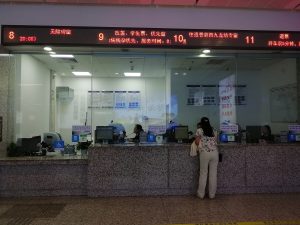
Mobile transit QR is fastest once wallets work—test a short hop near your hotel. Single-journey machines still exist; look for language toggles or show Chinese station names. Physical cards help longer stays. Fares are distance-based; check the total rather than memorising old blog prices.
Airport lines and first-day strategy
Airport rail or metro connections differ by airport. Confirm terminal and line the evening before. If you arrive exhausted with luggage, a ride-hail may beat a complex transfer; the subway shines once you are oriented.
Transfers, luggage, etiquette
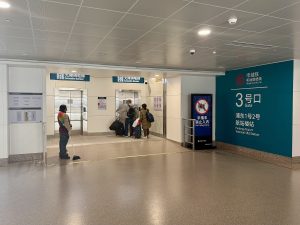
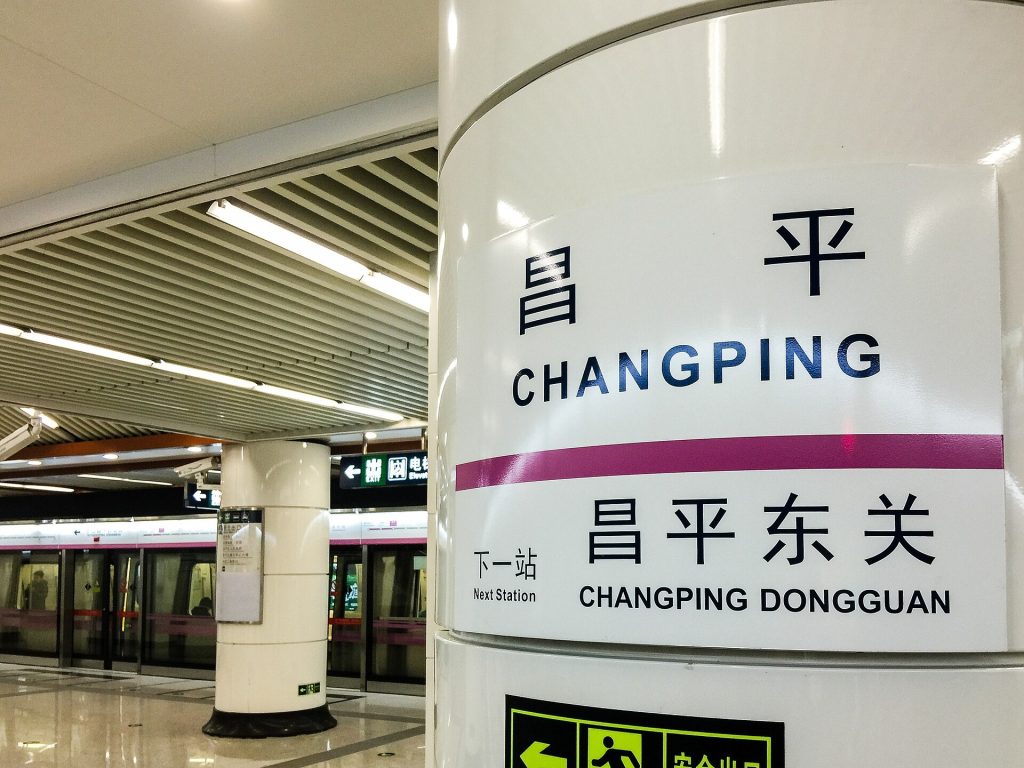
Major transfers are labyrinthine but usually bilingual. Follow line colours and termini. Keep bags close, do not block doors for photos, respect priority seats, and eat elsewhere.
November weather
Cold wind and long exit walks argue for layers. Gloves make phone QR awkward—practice at the hotel.
Notes for late 2026 travellers
Late October and November bring cooler mornings, earlier sunsets, and comfortable train weather across much of eastern China. Pack layers, keep phone batteries warm outdoors, and leave extra time whenever a clear weekend coincides with popular sightseeing.
This article does not invent ticket prices, opening hours, processing times, or official statistics. When a number matters, verify it on the official site, app screen, or ticket board near your travel week.
Write key Chinese addresses into your phone notes before you leave Wi-Fi. Screenshot tickets and booking codes. Carry a small cash float even if you prefer wallets—see why cash is still needed. Reconfirm last-mile transport the evening before early starts.
If an official rule page disagrees with this guide, follow the official page. Lovely China orients English-speaking travellers; we are not an immigration, banking, or medical authority. Keep the China travel tools page page bookmarked for other logistics hubs.
Traveller mindset
Move slowly through paperwork moments. A calm queue is cheaper than a missed train. When language fails, show passport pages, booking screens, and maps with Chinese labels. Hotel front desks and station information booths are used to helping foreigners through routine steps.
Keep expectations honest: China is highly digital, but edge cases remain. Your job is not to memorise every exception—it is to carry backups (second card, cash, offline maps, written addresses) so one failure does not end the day. For everyday apps, start with essential apps for foreigners.
FAQ
Is English available on the Beijing subway?
Major stations usually have bilingual signs and announcements; still keep station names in Chinese on your phone.
Can I use Alipay or WeChat for metro entry?
Often yes via transit QR where supported—test near your hotel first.
Is the subway OK with large luggage?
Possible but hard at peaks; consider a ride-hail from the airport when exhausted.
Are fares flat?
No—distance-based. Check the machine or map total.
Notes for late 2026 travellers
Late October and November bring cooler mornings, earlier sunsets, and comfortable train weather across much of eastern China. Pack layers, keep phone batteries warm outdoors, and leave extra time whenever a clear weekend coincides with popular sightseeing.
This article does not invent ticket prices, opening hours, processing times, or official statistics. When a number matters, verify it on the official site, app screen, or ticket board near your travel week.
Write key Chinese addresses into your phone notes before you leave Wi-Fi. Screenshot tickets and booking codes. Carry a small cash float even if you prefer wallets—see why cash is still needed. Reconfirm last-mile transport the evening before early starts.
If an official rule page disagrees with this guide, follow the official page. Lovely China orients English-speaking travellers; we are not an immigration, banking, or medical authority. Keep the China travel tools page page bookmarked for other logistics hubs.
Traveller mindset
Move slowly through paperwork moments. A calm queue is cheaper than a missed train. When language fails, show passport pages, booking screens, and maps with Chinese labels. Hotel front desks and station information booths are used to helping foreigners through routine steps.
Keep expectations honest: China is highly digital, but edge cases remain. Your job is not to memorise every exception—it is to carry backups (second card, cash, offline maps, written addresses) so one failure does not end the day. For everyday apps, start with essential apps for foreigners.
Extra reminder
Re-check official sources the week you travel. Keep backups for payments and connectivity. Travel kindly.
Bottom line
Learn QR or card entry once, watch the bilingual signs, and avoid peak crush with luggage.