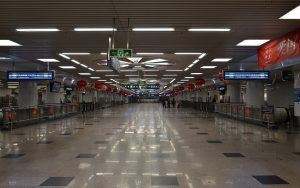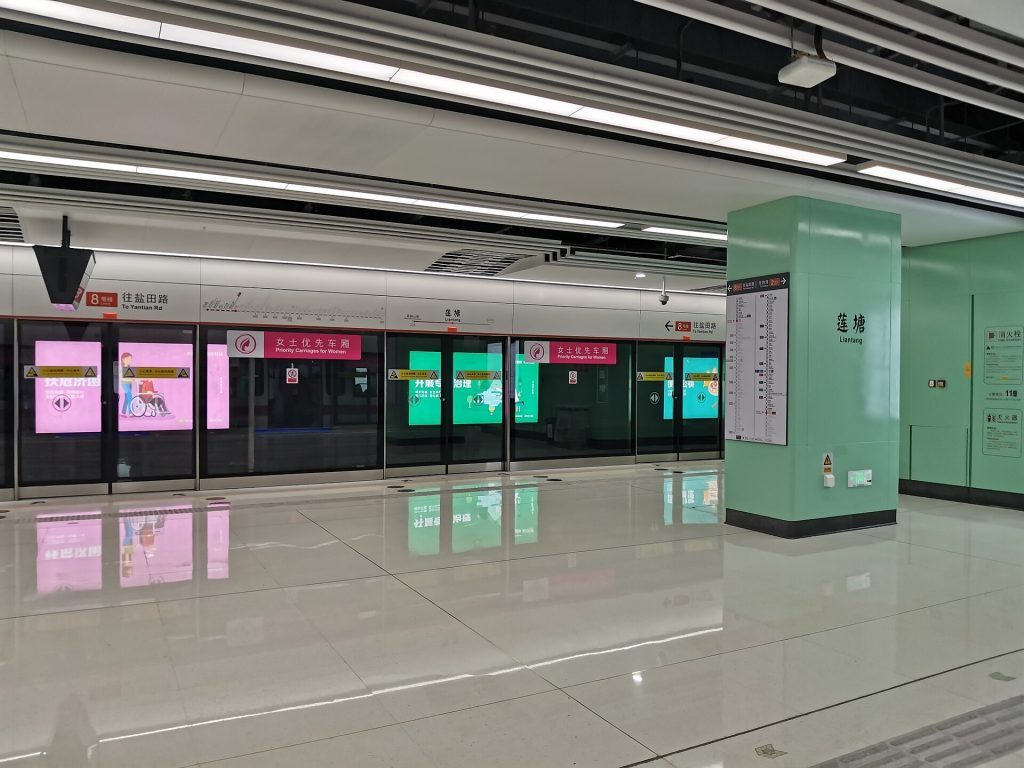
Stepping onto the Shenzhen Metro for the first time can feel intimidating if you are accustomed to tapping a local contactless credit card at the turnstile. Shenzhen’s rapid transit network is clean, heavily digitalized, and vast, covering hundreds of kilometers across the city. However, navigating it smoothly requires understanding how local ticketing systems, security checkpoints, and bilingual infrastructure interact. Whether you are arriving for a tech conference, exploring the city’s sprawling electronics markets, or reading our broader Shenzhen first-visit guide, mastering the metro system on day one sets the tone for a seamless trip.
Ticketing Mindset: Single-Journey Tokens vs. Mobile Ride Codes
One of the first dilemmas foreign travelers face is choosing how to pay for transit rides. While paper single-journey tickets still exist, relying on them creates unnecessary friction.
Single-Journey Tokens: Ticket vending machines at stations accept Chinese mobile payments and cash, dispensing a blue plastic RFID token. You tap it to enter and insert it into a slot to exit. Machines can occasionally reject foreign physical bank cards or struggle with older banknotes, making cash handling tedious.
Mobile Ride Codes: Generating a digital QR transit code inside Alipay or WeChat Pay is the preferred method for most expats and international visitors. Once you link a foreign-issued Visa or Mastercard to your mobile wallet ahead of time (as outlined in our Alipay and WeChat Pay hub), you can pull up a Shenzhen Metro transit code, scan your phone screen at the turnstile, and let the system bill your digital wallet automatically.
Transit Cards vs. Apps: While physical transit cards are traditional, mobile transit codes or open-loop options spare you from paying card deposits or waiting in refund lines. For a deeper breakdown of physical cards versus digital setups, check out tourist metro cards vs mobile pay.
Airport Links and High-Speed Navigation
If you fly into Shenzhen Bao’an International Airport, you will likely want to bypass expensive taxi lines and head straight underground.
The Line 11 Advantage: Line 11 serves as the primary airport express corridor linking Shenzhen Bao’an International Airport Terminal 3 to the central business and financial hubs of Futian and Nanshan. Follow the overhead signs to the Ground Transportation Center (GTC) concourse to locate the metro entrance.
Avoid the Line 1 Trap: Do not confuse Line 11 with Line 1 (Luobao Line). While Line 1 also reaches the airport area historically (Airport East station), it is much slower, highly crowded, and does not service Terminal 3 directly. Always look for the purple-branded Line 11 for a faster, more comfortable ride into the city core.
Security Checkpoints and Bilingual Signage
Every single station on the Shenzhen Metro network requires passengers to pass through security screening before accessing the platform level.
Bag Checks: Place backpacks, handbags, and luggage onto the automated X-ray conveyor belt. Security staff monitor screens nearby. While routine, it can cause brief bottlenecks during morning and evening rush hours. Keep pocket knives, flammable liquids, or compressed aerosol cans packed away, as security restrictions are strictly enforced.
Bilingual Navigation: Signage throughout the system is exceptionally clear for English speakers. Station names, platform directions, and exit maps feature prominent English translations alongside simplified Chinese characters. Automated audio announcements inside train cars alternate between Mandarin, Cantonese, and English, making it straightforward to track your stop.
Cross-Border and Practical Day-Trip Cautions
Shenzhen acts as a major bridge between mainland China and Hong Kong, featuring multiple land ports such as Luohu, Futian, and Shenzhen Bay.
Border Checkpoints: If you are planning a same-day cross-border trip, ensure you verify current immigration requirements, visa policies, and operating hours via official channels like the National Immigration Administration before heading to a border station. Metro stations near ports experience intense pedestrian congestion during weekend and holiday peaks.
Time Limits: Keep in mind that standard metro tickets and ride codes carry a time limit (typically 210 minutes from entry to exit). Lingering inside the paid zone past this threshold can trigger an administrative exit fee at the customer service desk.
FAQ
Can I use my foreign credit card directly at the Shenzhen Metro turnstiles?
No. Standard foreign contactless credit cards (Visa, Mastercard, or American Express tapped directly) are generally not accepted at the metro turnstiles. You must either buy a single-journey token or generate a digital ride code through Alipay or WeChat Pay using a pre-linked foreign card.
What should I do if my mobile transit QR code fails to scan?
First, check your phone screen brightness and ensure your mobile wallet’s data connection is active. If the turnstile scanner still rejects the code, step aside and visit the station’s customer service counter (located near the gates). Staff can manually assist you or help resolve minor account synchronization issues.
Are oversized suitcases allowed on the Shenzhen Metro?
Yes, standard travel luggage is permitted through the security scanners and onto the trains. However, avoid traveling during peak morning (7:30 AM to 9:30 AM) and evening (5:30 PM to 7:30 PM) rush hours when platforms are heavily packed, as squeezing onboard with large bags can be difficult for you and other commuters.
Related Lovely China reading
For payments, start with Alipay and WeChat Pay hub and WeChat Pay vs Alipay for tourists. For trains, keep high-speed rail first-timers guide and 12306 passport signup for foreigners handy. City hubs: Beijing first-visit guide, Shanghai first-visit guide. Connectivity: roaming vs local SIM honest guide, pocket Wi-Fi vs eSIM for China, offline maps for foreigners. Bookmark China travel tools page.
Practical checklist
- Confirm official rules on the relevant government, park, airline, or bank page near your travel week
- Screenshot bookings, tickets, and QR codes while you still have stable Wi-Fi
- Save hotel and attraction names in Chinese characters in your phone notes
- Carry passport, a backup payment method, and a small cash float (why cash is still needed)
- Test one small mobile payment before you rely on wallets at a gate or taxi
- Keep the China travel tools page page bookmarked for related Lovely China hubs
FAQ
Is this travel advice official?
No. Lovely China orients travellers. Verify live rules on official pages, apps, and counters near your travel week.
Will every city behave the same?
No. Airports, stations, parks, and markets differ. Use local signage and staff instructions when they conflict with a general guide.
What should I screenshot before I lose Wi-Fi?
Bookings, tickets, hotel Chinese address, pickup pins, and payment success screens.
Notes for late 2026 travellers
November and early December bring cooler mornings, earlier sunsets, and comfortable walking weather across much of eastern and central China. Pack layers and leave extra time on clear weekends at popular sights.
This article does not invent ticket prices, opening hours, processing times, consular fees, or official statistics. When a number matters, verify it on the official site, app screen, or ticket board near your travel week.
If an official rule page disagrees with this guide, follow the official page. Lovely China orients English-speaking travellers; we are not an immigration, banking, or medical authority.