Outpatient registration is a system, not a mystery queue
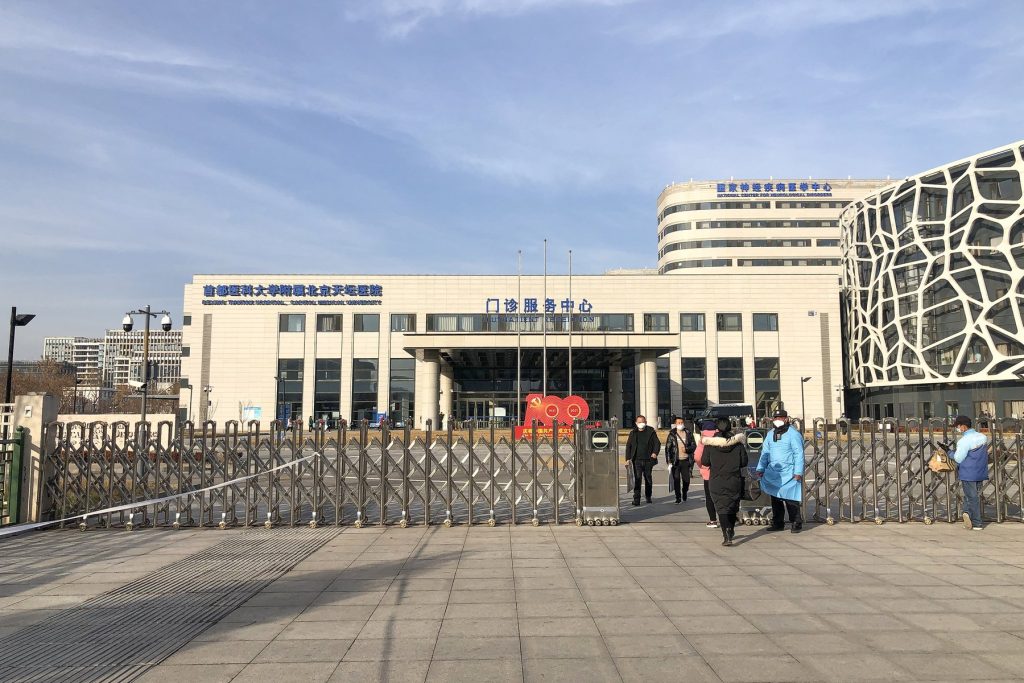
Walking into a Chinese hospital for the first time can feel like entering an airport during holiday peak: numbered windows, QR codes, department boards, and people who already know the choreography. For foreigners, the hard part is rarely “medicine is impossible.” It is outpatient registration (挂号, guahao) — getting into the correct department with the correct ID trail before anyone asks about symptoms.
This Culture guide focuses on practical registration habits for English-speaking visitors and expats. It is not medical advice, and it does not invent wait times or fees. For related health navigation, see TCM clinic first visits for foreigners and building a local doctor relationship when you are not a Chinese speaker.
What to bring before you leave home
Minimum useful kit:
- Passport (original)
- Phone with battery and payment apps set up when possible — see Alipay / WeChat Pay for foreign visitors
- Address of the hospital in Chinese characters (copy from Maps)
- A short written note of symptoms and allergies in English + machine-translated Chinese
- Insurance card / policy contacts if you have mainland or international cover
- A friend or colleague’s WeChat if you may need remote translation help
Do not assume an English-speaking triage desk exists. Some large city hospitals have international departments; many neighbourhood hospitals do not. Call ahead or check the hospital’s official WeChat account if you specifically need an international clinic.
Choose the right door: outpatient vs emergency vs international
Rough map:
- Outpatient (门诊): planned or same-day non-emergency visits; registration required
- Emergency (急诊): urgent cases; still expect registration and payment steps, just on a different track
- International / VIP sections: higher cost, more English, appointment norms vary — confirm before travelling across the city
If you have chest pain, severe bleeding, or other emergencies, go to emergency services and get help first — registration details follow clinical urgency. This guide assumes a typical outpatient scenario: fever that will not quit, a sprain, stomach trouble, a rash, or a referral follow-up.
Registration channels you will actually meet
Depending on city and hospital:
1. On-site kiosk with passport / card options
2. Window registration with staff
3. Hospital WeChat mini-program or official account booking
4. Phone / app appointment systems that vary by province
5. Same-day remaining numbers released in batches
Foreign passport holders sometimes hit kiosk friction when the machine expects a Chinese ID card. If the kiosk rejects you, go to a staffed window early rather than retrying forever. Staff can usually create a patient record with your passport number. Keep the printed registration slip / QR — you will need it for payment and pharmacy later.
Building your first patient record
Expect clerks to ask for:
- Full name as in passport
- Sex / date of birth
- Passport number
- Mobile number
- Sometimes a mainland contact address
Speak slowly. Show the passport biodata page. Confirm the spelling of your name on the printed slip before you leave the window — fixing a misspelled record later is more painful than spending thirty extra seconds now.
If you already registered last year at the same hospital group, say so. Duplicate records happen when people register again under slightly different name orders (Given-Family vs Family-Given).
Picking a department without medical school Mandarin
Department boards are dense. Common starting points foreigners use (confirm locally):
- General practice / internal medicine (内科) for undifferentiated fever, cough, stomach issues
- Surgery (外科) for injuries that may need procedural care
- Dermatology (皮肤科) for rashes
- ENT (耳鼻喉科) for ear/nose/throat
- Ophthalmology (眼科) for eyes
- Stomatology / dental (口腔科) for teeth — often a separate flow
When unsure, ask triage or information desk staff: show your symptom note and ask which department. A translation app helps; a human pointing at a board helps more.
Specialist fame does not automatically mean better registration luck. Famous departments may require earlier appointments. For a first visit with ordinary symptoms, a standard outpatient slot is the realistic goal.
Appointments, same-day numbers, and holiday reality
Hospital volume rises around festivals when people squeeze care into short windows. For 2026:
- Mid-Autumn: Friday 25 September (~25–27)
- Makeup: 20 September
- Golden Week: 1–7 October
- Makeup: 10 October
- 国办发明电〔2025〕7号
If your issue can wait until after Golden Week, waiting may be kinder to you and the queue. If it cannot wait, arrive early, use official booking channels, and budget extra time for payment and pharmacy lines — not because of invented average minutes, but because holiday weeks are visibly busier.
Payment order: registration, consult, tests, meds
A typical flow (varies by hospital):
1. Register / pay registration fee
2. Wait for your number on screens or WeChat
3. See the doctor
4. Pay for prescribed tests
5. Complete tests
6. Return to doctor if needed
7. Pay for medication
8. Collect medication at pharmacy windows
Keep every receipt. Screenshots of WeChat payment success pages help if a window asks for proof. Cash is less central than it once was, but a backup payment method reduces stress when one app fails.
Insurance reimbursement — domestic or international — is paperwork after the clinical sequence. Ask the hospital’s insurance / international office where to stamp invoices if you need them for claims. Do not invent claim success rates; follow your insurer’s written instructions.
Language tactics that work better than panic
- Point to body diagrams if available
- Use short sentences: “fever three days,” “allergy penicillin,” “pregnant / not pregnant”
- Save the doctor’s name and department from the slip
- Ask whether follow-up is needed and how to book it
- Photograph the prescription and diagnosis line for your records (where photography is allowed)
Do not record the consultation secretly. Ask before filming anything.
When a neighbourhood clinic is enough
Not every cough needs a tertiary hospital campus. Community health centres and nearby clinics can handle simple cases and may be faster for registration. Tertiary hospitals shine for complex diagnostics and specialist follow-up. Matching the facility to the problem is part of adult expat health literacy — related mindset in our local doctor relationship piece.
Aftercare and compound life
If you leave with medication:
- Confirm dosing times with pharmacy staff
- Check storage (fridge vs room temperature)
- Know whether you can receive follow-up messages via the hospital WeChat
- Rest in your apartment without skipping compound entry rules when you feel unwell — wuye / property management basics still apply when you are carrying IV paperwork or pharmacy bags
A calm first-visit checklist
Night before:
- Charge phone, download offline translation pack
- Screenshot hospital Chinese name and gate entrance
- Pack passport and payment apps
On site:
- Information desk first if signage overwhelms you
- Register with passport; verify name spelling
- Department → wait → consult → pay → tests/meds
- Keep slips until you are home
Afterwards:
- Store invoices for insurance
- Note what worked for next time
- Email yourself the department name in Chinese
Lovely China (founded 2025) publishes practical Culture guides for English readers navigating everyday systems here. Non-urgent questions: [email protected]. For emergencies, use local emergency numbers and on-site clinical staff — not an email inbox.
Outpatient registration rewards preparation more than bravery. Once you have one successful visit on record, the second feels less like an exam and more like a process you can repeat.