As we move into late October and November 2026, the crisp autumn air across China brings the perfect excuse to gather around a steaming copper hotpot, dive into seasonal delicacies like Shanghai hairy crabs, or enjoy hearty Northern dumplings. Dining in China is an inherently communal, joyful, and deeply social experience. In fact, one of the most common greetings in Mandarin is not “How are you?” but “Chi fan le ma?” (Have you eaten?).
However, if you are a foreign visitor or expat, the prospect of navigating a shared, multi-course meal with chopsticks might feel a little intimidating. Do you use the serving chopsticks or your own? What happens if you drop a piece of pork belly on the tablecloth?
The good news? Chinese locals are incredibly forgiving and welcoming to visitors. No one expects you to have flawless technique, and you certainly won’t be judged if you occasionally drop a slippery mushroom. However, knowing a few simple do’s and don’ts can elevate you from a well-meaning tourist to a culturally savvy guest.
Here is your friendly, comprehensive guide to chopstick etiquette at the Chinese dinner table.
Getting a Grip: How to Actually Hold Your Chopsticks
Before we get into the unwritten rules of the dining table, it helps to review the physical mechanics. Many foreigners grip chopsticks too tightly or hold them too close to the bottom (the eating end), which limits your range of motion.
The practical technique:
The Anchor: Place the first chopstick in the crook between your thumb and index finger. Rest the lower half of it on your ring finger. This chopstick stays completely stationary.
The Mover: Hold the second chopstick like you would hold a pencil or pen, using your thumb, index, and middle fingers.
The Pinch: When you want to pick up food, only move the top chopstick. Practice opening and closing the tips like a bird’s beak.
Pro Tip: Hold your chopsticks closer to the top (the thicker end), rather than the bottom. Not only does this give you better leverage for picking up food from shared plates, but Chinese folklore jokingly suggests that the further up you hold your chopsticks, the further away from home you will travel or marry!
The One Golden Rule: Never Stick Chopsticks Upright in Rice
If you only remember one rule from this entire article, make it this one. When you need to pause eating, take a drink, or chat with the person next to you, absolutely never stick your chopsticks vertically into your bowl of rice.
In Chinese culture, upright chopsticks anchored in a bowl of rice closely resemble the incense sticks burned at funerals and ancestral shrines to honor the dead. Doing this at a joyful dinner table brings up morbid, unlucky associations and is considered highly taboo.
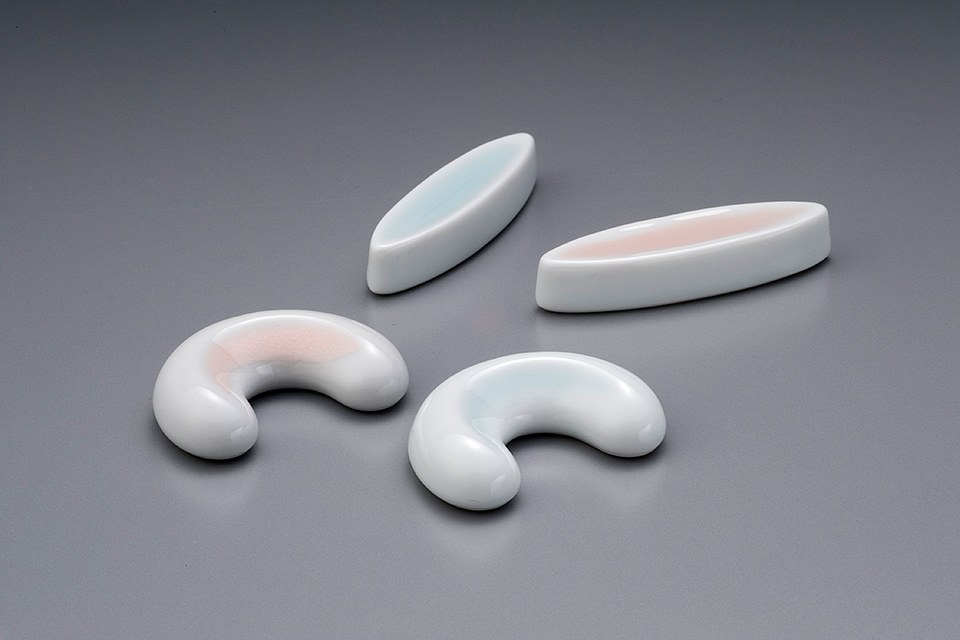
Instead, simply lay your chopsticks flat across the top of your bowl, or better yet, rest them neatly on the ceramic chopstick rests provided at your table setting.
Passing Food and the “Chopstick-to-Chopstick” Taboo
Another major taboo rooted in funeral rites is the act of passing food directly from your chopsticks to someone else’s chopsticks.
After a traditional Buddhist cremation, family members will sometimes use special wooden chopsticks to pass the cremated bone fragments of their loved one to each other to place in an urn. Because of this solemn ritual, passing a dumpling or piece of duck chopstick-to-chopstick at a restaurant is incredibly inappropriate.
If you want to share a specific piece of food with a friend or colleague, simply use your chopsticks (or the communal ones) to place the morsel directly onto their plate or into their bowl.
Shared Tables: Casual Eats vs. Formal Banquets
Chinese meals are generally served family-style. Rather than ordering an individual entree for yourself, dishes are placed in the center of the table for the whole group to share. How you use your chopsticks in these environments depends slightly on the setting.
The Casual Joint
If you’re at a bustling neighborhood noodle shop, a late-night barbecue stall, or a casual eatery you just rolled up to (perhaps after figuring out How to Use Didi in China as a Foreign Visitor 2026), the vibe is relaxed. Among close friends and family, it is perfectly common for diners to use their own personal chopsticks to pick food directly from the shared plates. Just aim for the piece of food you want and pick it up cleanly.
The Formal Banquet
If you are attending a business dinner, a wedding, or a formal banquet, you will likely be seated at a large round table with a spinning glass “lazy Susan” in the middle.
At these events, you will usually find a separate, differently colored (or slightly longer) pair of communal chopsticks, known as gongkuai (公筷), resting beside the main serving dishes. Especially in a post-pandemic China, the use of gongkuai at formal events has become much more strictly observed.
Use these communal chopsticks to transfer food from the central serving platter to your own small plate or bowl. Once the food is on your plate, switch back to your personal chopsticks to actually eat. Never put the communal chopsticks in your mouth.
A note on the Lazy Susan: Never spin the wheel while someone else is actively reaching for food with their chopsticks! Wait until everyone has retracted their hands, then spin it slowly.
Pointing, Digging, and Tapping: Utensil Faux Pas
Chopsticks are utensils, not wands, drumsticks, or skewers. Here are a few friendly guidelines on what to avoid doing with them while you socialize:
Don’t point: Avoid gesturing wildly with your chopsticks while telling a story, and try not to point them directly at other people across the table. If you’re passing a dish or directing someone’s attention, lay your chopsticks down first.
Don’t “treasure hunt”: When reaching for a shared dish, use your eyes to pick the piece of food you want, then go directly for it. Poking around, flipping pieces of meat over, or digging through the dish to find the best morsels is nicknamed “grave digging” and is considered incredibly impolite and unhygienic.
Don’t tap your bowl: Tapping your chopsticks against the side of your porcelain bowl makes a sharp, clinking sound. Historically, this sound is associated with beggars tapping their bowls on the street to ask for food or money. Keep the percussive beats to an absolute minimum!
Don’t suck or chew on them: It is considered bad form to leave your chopsticks resting in your mouth while you do other things, or to audibly suck sauce off the wooden tips.
Don’t skewer your food: If a meatball or cherry tomato is proving impossible to pick up, do not stab it with a single chopstick like a spear. Instead, politely ask for a spoon.
Navigating Tricky Foods: Noodles, Peanuts, and Fish
Knowing the etiquette rules is one thing, but practically handling Chinese cuisine is another.
Noodles: It is perfectly acceptable—and often encouraged—to slurp your noodles! Slurping cools the hot broth and shows the chef you are enjoying the meal. Use your chopsticks to lift a small bundle of noodles, guide them to your mouth, and use your soup spoon in your other hand to catch any splashes. You do not need to bite the noodles off; just slurp them up.
Slippery items (Tofu, Peanuts, Cherry Tomatoes): Mapo Tofu and roasted peanuts are notorious for slipping right out of novice chopsticks. For soft tofu, it is entirely acceptable to ditch the chopsticks and use a spoon. For peanuts, rely on a firm, wide pinch, or wait until someone else uses a serving spoon to scoop them.
Whole Fish: In China, fish is almost always served whole (head, tail, and all). Use your chopsticks to gently pull the tender meat away from the spine. Important: Never flip the fish over to get to the meat on the other side! In coastal and fishing regions, flipping a fish symbolizes a boat capsizing and is considered terrible luck. Instead, use your chopsticks to lift the spine away, or simply reach “through” to the bottom half.
Resting and Dropping Your Chopsticks
Between bites, or when you’re engaging in a long conversation, place your chopsticks on the small ceramic rest next to your plate. If your table setting doesn’t have a dedicated chopstick rest, just lay them neatly together across the edge of your small plate or horizontally across the top of your bowl. Try not to cross them in an “X” shape, as this can be a symbol of denial or bad luck.
And what if you drop them on the floor? Don’t panic. The clatter of dropped chopsticks is a sound heard in restaurants across China every single day.
Simply apologize briefly to your host, leave the dropped ones on the floor (don’t try to wipe them off and keep using them), catch a server’s eye, and ask for a new pair: “Fuwuyuan, qing gei wo yi shuang xin de kuai zi” (Waiter, please give me a new pair of chopsticks). It happens to everyone, and no one will give it a second thought.
Frequently Asked Questions (FAQ)
Can I ask for a fork and knife instead?
In international hotels or Western-style restaurants in tier-1 cities like Shanghai and Beijing, you can easily ask for a fork. However, in traditional Chinese restaurants, local noodle shops, or smaller cities, they likely will not have Western cutlery on hand. They will, however, always have a spoon, which you can use alongside your chopsticks.
Is it rude to lift my bowl to my mouth?
Not at all! In fact, it is considered much better manners to lift your rice bowl close to your chin and use your chopsticks to push the rice into your mouth, rather than bending your head all the way down to the table. Bending over your food is colloquially referred to as “eating like a dog.” Bring the food to your face, not your face to the food.
What do I do with bones or shells?
Many Chinese dishes contain bone-in meat or shell-on shrimp. Use your chopsticks to bring the piece to your mouth. When you need to discard a bone, you can politely spit it onto your chopsticks to move it, or gently spit it directly onto the small side plate provided. Do not put discarded bones back into your rice bowl.
Enjoy the Feast
Dining in China is more about warmth, hospitality, and connection than rigid, stuffy rules. By following these few basic etiquette tips, you show respect for the local culture—an effort your hosts will undoubtedly notice and appreciate. If you make a mistake, simply laugh it off; your hosts will likely be thrilled simply that you are trying their local cuisine.
Once the meal wraps up and the fighting over who gets to pay the bill concludes, don’t forget that handling payments is just as modernized as the rest of the country. Make sure your phone is prepped with Alipay and WeChat Pay for Foreigners in China 2026: Setup, Limits, and Workarounds so you can seamlessly scan the table’s QR code.
And if you are wondering whether to leave a few extra RMB on the table for the excellent service—don’t. Read up on Tipping Culture in China for Foreigners 2026: When Tips Are Expected and When Not to understand why leaving money behind might actually cause confusion.
Relax, enjoy the incredible culinary landscape, and happy eating!
FAQ
Is this guide current for late 2026?
It reflects commonly reported practice as of October 2026. Always re-check official sources before you travel, because rules, ticket platforms and seasons change.
Where can I verify details?
Use the official website, WeChat account or ticket platform named for this topic. For payments and maps, see Lovely China’s practical visitor guides linked above.
What if my situation is unusual?
Ask your hotel, airline, park ticket office or embassy/consulate for case-specific advice rather than relying only on a blog post.