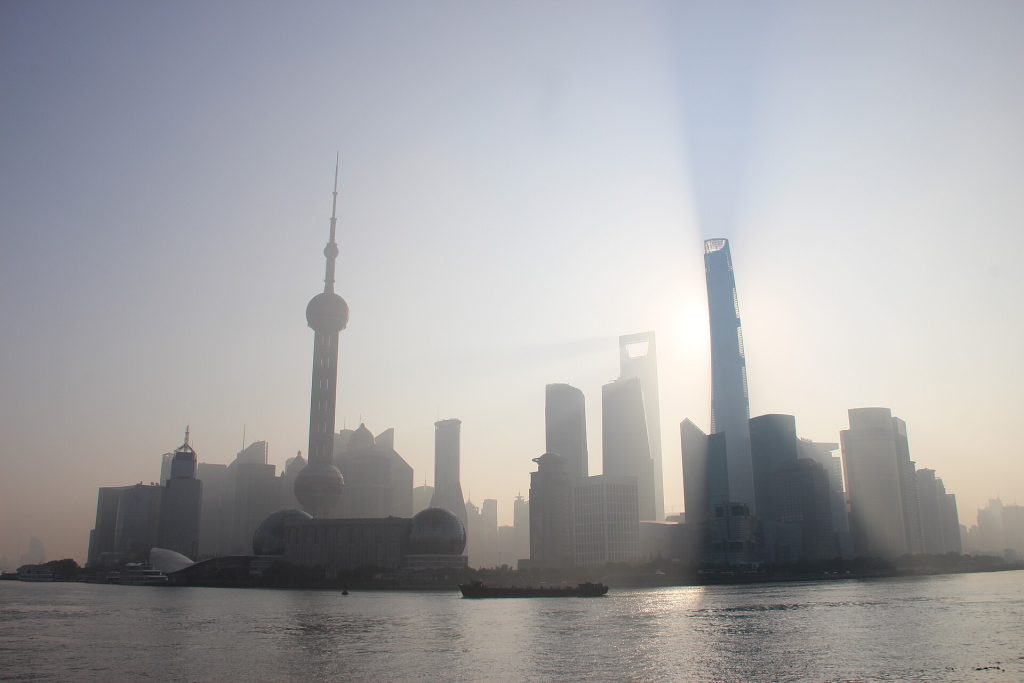
Before the tour buses arrive, before the hawkers set up their tripod stands, and long before the neon lights claim the evening, the Shanghai Bund belongs to the morning. By November, the heavy, oppressive humidity of the East China summer has entirely vanished, replaced by a sharp, clear chill that makes the skyline seem almost hyper-focused against the pale sky. The smog that sometimes cloaks the city in warmer months is frequently blown away by autumn winds, leaving a breathtakingly crisp vista.
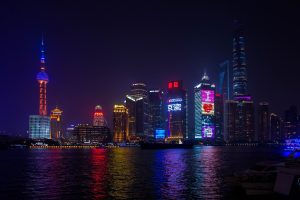
Walking along the elevated promenade at 6:30 AM, the first thing you notice is the quality of the light. The sun rises directly behind the towering skyscrapers of Pudong—the twisting Shanghai Tower, the jagged Art Deco crown of the Jin Mao Tower, and the sleek aperture of the World Financial Center. Because the light originates from the east, the historic neoclassical facades of the Bund on the western bank are initially cast in a soft, cool shadow. The glass and steel across the river, however, catch the early amber rays, turning the Lujiazui financial district into a brilliant, glowing wall of modern architecture. It is a cinematic contrast: the 21st-century rising sun illuminating the future, while the 20th-century European banking houses sleep in the shade.
The Architectural Awakening of the Waitan
To truly appreciate the morning here, you have to look away from the futuristic Pudong skyline and study the western side of the street—the Waitan. The Bund stretches for a mile along Zhongshan East 1st Road, housing 52 historic buildings that span Romanesque, Gothic, Renaissance, and Art Deco styles. Without the distraction of evening illuminations or throngs of tourists blocking the view, the sheer scale and intricate masonry of these structures become the focal point.
Starting at the northern end near the Waibaidu Bridge, the iconic green pyramidal copper roof of the Fairmont Peace Hotel (formerly the Cathay Hotel) serves as an anchor. In the early morning silence, you can admire its imposing granite facade without the usual symphony of car horns echoing off the stone. Moving south, the impressive dome of the old HSBC Building and the austere columns of the Customs House stand like silent sentinels. By 7:00 AM, the street-sweepers are out in force, their rhythmic brushing against the pavement echoing off the stone pillars, ensuring the broad avenues are immaculate before the city’s bankers and brokers arrive for the day.
The River’s Rhythm and Local Routines
Down on the water, the Huangpu River traffic is already heavy. The low, guttural blast of a cargo barge horn cuts through the morning air, a deep bass note reverberating off the concrete embankments. These low-riding vessels, laden with sand, gravel, and steel, are the lifeblood of the city’s perpetual construction. Ferries shuttle early commuters back and forth between Puxi and Pudong, their engines humming a steady rhythm beneath the cries of the seagulls riding the river updrafts. The breeze off the water carries a distinct bite, a reminder that The First Cold Snap in Shanghai has settled in for the season, prompting everyone to pull their collars up and zip their windbreakers tight.
The elevated promenade itself is far from empty, but the demographic is entirely different from the selfie-snapping evening crowds. This is the hour of routine. Underneath the shadow of the colonial buildings, elderly residents stretch against the wrought-iron railings, moving through deliberate, slow-motion sequences of Tai Chi. Some practice with traditional red fans that snap open with a sharp crack; others wield straight swords that catch the glint of the rising sun. A few dozen meters away, you might find a group practicing ballroom dancing to music playing softly from a portable speaker.
Groups of runners jog past in synchronized strides, their breath briefly visible in the cool November air. There is a quiet, industrious energy here—a collective acknowledgment of the morning before the city’s frantic commercial pace takes over. It is one of the rare moments where Shanghai, a megacity of 24 million, feels like a collection of small, intimate neighborhoods.
Backstreet Breakfasts and Digital Life
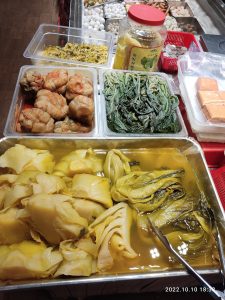
Just steps away from the waterfront, down the narrow intersecting alleys like Fuzhou Road and Sichuan Middle Road, the city’s modern infrastructure hums to life. While the western-style cafes directly on the Bund remain shuttered until mid-morning, local street vendors are already operating at peak efficiency. They stand over massive cast-iron griddles, spreading thin batter to make jianbing (savory crepes coated in egg, hoisin sauce, chili paste, and wrapped around a crispy wonton cracker), while massive wooden steamers release thick clouds of vapor smelling of freshly made baozi (steamed buns).
Purchasing this warm, comforting breakfast is a masterclass in modern Chinese efficiency. It is a seamless, silent interaction, with locals and expats alike lifting their phones to scan a crumpled QR code hanging off the vendor’s cart without breaking their stride. Cash is virtually non-existent here, even for a 6 RMB scallion pancake. For visitors wanting to tap into this frictionless rhythm and avoid the awkwardness of fumbling with paper money that vendors may not have change for, setting up Alipay and WeChat Pay for Foreigners in China 2026: Setup, Limits, and Workarounds is essentially the key to unlocking the city.
Furthermore, you cannot participate in this digital ecosystem without a solid data connection. Because reliable internet is required to buy that morning soy milk, hail a ride to the waterfront, or navigate the winding heritage streets behind the Bund, organizing a China eSIM and Local SIM for Foreigners 2026: Airport, Apps, and Coverage is the very first thing savvy travelers handle upon landing. With data secured and payment apps loaded, the barrier between tourist and temporary local dissolves.
The Golden Hour and the City’s Transition
By 8:00 AM, the angle of the sun shifts decisively. The gold light finally crests the Pudong skyscrapers, spilling across the river and hitting the historic clock tower of the Customs House. At the top of the hour, the massive clock face gleams, and the rhythmic, booming chimes of “The East is Red” ring out over the water, marking the official start of the city’s workday.
The transition is rapid. The morning exercisers gracefully fold their fans, pack up their portable speakers, and begin to disperse into the side streets. They are quickly replaced by armies of smartly dressed commuters emerging from the Nanjing East Road metro station, clutching briefcases and iced coffees. Shortly after, the early-bird tourists begin to arrive, consulting their Shanghai First Visit Guide 2026: Bund, Museums, and Day Trips to map out their itinerary, pointing at the Pearl Tower and posing against the railings.
The quiet magic of the dawn observation fades, giving way to the undeniable momentum of a global financial hub. The air fills with the sounds of traffic, tour guides on megaphones, and the frantic pace of the 21st century. But for that brief, crisp two-hour window, the Bund feels less like a congested landmark and more like a neighborhood park—a place to simply stand, breathe in the cool river air, and watch the true Shanghai wake up.
FAQ: Visiting the Bund on a November Morning
What time does the sun rise in Shanghai in November?
In early November, the sun rises around 6:10 AM, pushing closer to 6:35 AM by the end of the month. Arriving by 6:30 AM guarantees you will catch the magical transition from the pre-dawn blue hour to full daylight.
How do I get to the Bund that early in the morning?
Shanghai’s Metro system is incredibly efficient, but Line 2 and Line 10 (which service the Nanjing East Road station nearest the Bund) typically do not start running their first trains until between 5:30 AM and 6:00 AM, depending on your starting location. If you want to be on the promenade by 6:00 AM, hailing a taxi or booking a ride through the Didi app is your most reliable option. The roads are wonderfully clear at this hour, making the drive fast and inexpensive.
Is it crowded early in the morning?
Compared to the dense, shoulder-to-shoulder crowds of the evening—where authorities sometimes have to implement crowd-control barriers—the morning is incredibly spacious. You will share the wide promenade mostly with local joggers, elderly residents practicing martial arts, and a handful of dedicated landscape photographers.
What should I wear for a morning walk?
November mornings in Shanghai are crisp and occasionally damp, typically ranging from 10°C to 15°C (50°F to 59°F). However, the lack of obstructions and the wind funneling down the Huangpu River can easily make it feel a few degrees chillier. A medium-weight jacket or insulated windbreaker, a light scarf, and comfortable walking shoes are highly recommended. Layers are ideal, as you will want to shed your jacket once the sun fully rises around 8:30 AM.
Are cafes or breakfast spots open nearby?
Most western-style cafes, coffee chains, and high-end restaurants right on the Bund do not open until closer to 9:00 AM or 10:00 AM. However, if you walk just a few blocks inland toward the residential and commercial cross-streets like Sichuan Middle Road, Jiangxi Middle Road, or Fuzhou Road, you will find local vendors and hole-in-the-wall eateries selling hot breakfast items like steamed buns, scallion pancakes, and fresh soy milk as early as 6:00 AM.
Related Lovely China guides
FAQ
Is this a real itinerary?
It is an observational seasonal piece, not a step-by-step itinerary. Use it for atmosphere, then check live weather and opening hours locally.
When does a mild November morning feel like this in Changsha?
Timing varies by year. Central China autumn mornings can be cool and busy at markets; check a live forecast rather than treating any essay as a weather calendar.