The train platform in Chengdu smelled of coal smoke and orange peel. I stood there with a backpack and a one-way ticket, watching migrant workers in puffy jackets stack cardboard boxes of cured sausage and vacuum-sealed pork belly beside the turnstiles. A woman in a red knit cap pressed a steamed bun into my hand — lotus paste, still hot — and said something I didn’t catch, then laughed when I fumbled the wrapper. That was my first Spring Festival eve: not a parade, not a temple fair, but a thousand small kindnesses moving at the speed of a departing high-speed rail.
The Rhythm of the Festival
Spring Festival does not arrive on a single date. It unfurls over fifteen days, from the new moon that slips between late January and mid-February to the full moon of the Lantern Festival. The night before the first day — Chuxi — is when the country holds its breath. Trains empty. Highways turn into parking lots. By midnight, the only lights burning in many apartment blocks are the red paper-cuts glowing behind window glass. If you are traveling, aim to be settled in one place before the Eve dinner begins. Moving between cities on the first three days is a gamble you will likely lose.
The Reunion Dinner: What Lands on the Table
Every family claims their version is the only correct one, but certain dishes appear again and again because their names echo wishes for the year ahead. A whole steamed fish — usually carp or sea bass — arrives head and tail intact; the word for fish, yu, sounds like surplus. Dumplings shaped like silver ingots hide coins or peanuts inside for the lucky bite. Glutinous rice cake, nian gao, rises layer by layer, a pun on “higher year.” In the north, you will see platters of braised pork belly with preserved mustard greens; in the south, steamed chicken with ginger-scallion oil and bowls of sweet tangyuan floating in ginger syrup.
- Whole fish — scaled, gutted, scored diagonally, steamed ten minutes over ginger slices and scallion knots, then doused with hot oil and soy.
- Dumplings — wrapper dough rested thirty minutes, filling of pork, napa cabbage, ginger, soy, sesame oil; pleated crescent, boiled until they float.
- Nian gao — glutinous rice flour, brown sugar, water, steamed in a greased bowl four hours; sliced and pan-fried in egg batter the next morning.
- Tangyuan — glutinous rice dough wrapped around black sesame paste, boiled, served in the cooking water with rock sugar and ginger.
If you are invited to a home dinner, arrive with a gift: a box of good tea, a bottle of grain liquor, or fruit — apples for peace, oranges for gold. Do not finish the fish. Leaving the head and tail on the plate signals that surplus will carry through the year. When the host refills your cup, tap two fingers on the table — a silent thank-you that dates to a Qing emperor traveling incognito.
Red, Noise, and the Things You Do Not Touch
Red paper-cuts — jianzhi — appear on every window: the character fu upside down so luck has “arrived,” papercut carp leaping through a dragon gate, plump babies hugging carp. Couplets in black ink on red vertical strips flank doorways. Do not tear them down, do not step on the threshold, and do not sweep the floor on the first day. Sweeping pushes wealth out the door. If you break a bowl, say sui sui ping an — “year after year, peace” — because sui (break) sounds like sui (year). Firecrackers still crackle in village lanes and suburban compounds, though city centers often ban them. In their place, electronic firecracker loops blast from shopfront speakers, a tinny rhythm that follows you down the sidewalk.
Visiting Order: Who Sees Whom When
The first day belongs to the paternal side. Sons, daughters, grandchildren kneel or bow to grandparents and great-uncles, receiving red envelopes — hongbao — crisp new bills in even numbers, never four. The second day, married daughters return to their birth parents with husband and children in tow. The third day, chi kou — “red mouth” — is considered prone to arguments; many stay home, visit temples, or burn incense at roadside shrines. By the fifth day, the God of Wealth is welcomed with dumplings shaped like gold ingots and the sound of firecrackers at midnight. The seventh day, ren ri, is everyone’s birthday; people eat seven-vegetable soup or raw fish salad yu sheng, tossing it high with chopsticks for rising fortune. The fifteenth night, lanterns hang from trees and bridges: riddles written on paper strips, sticky rice balls eaten under the moon.
Temple Fairs and Park Mornings
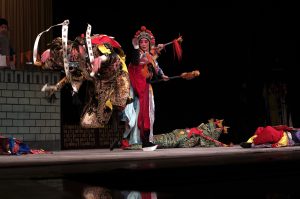
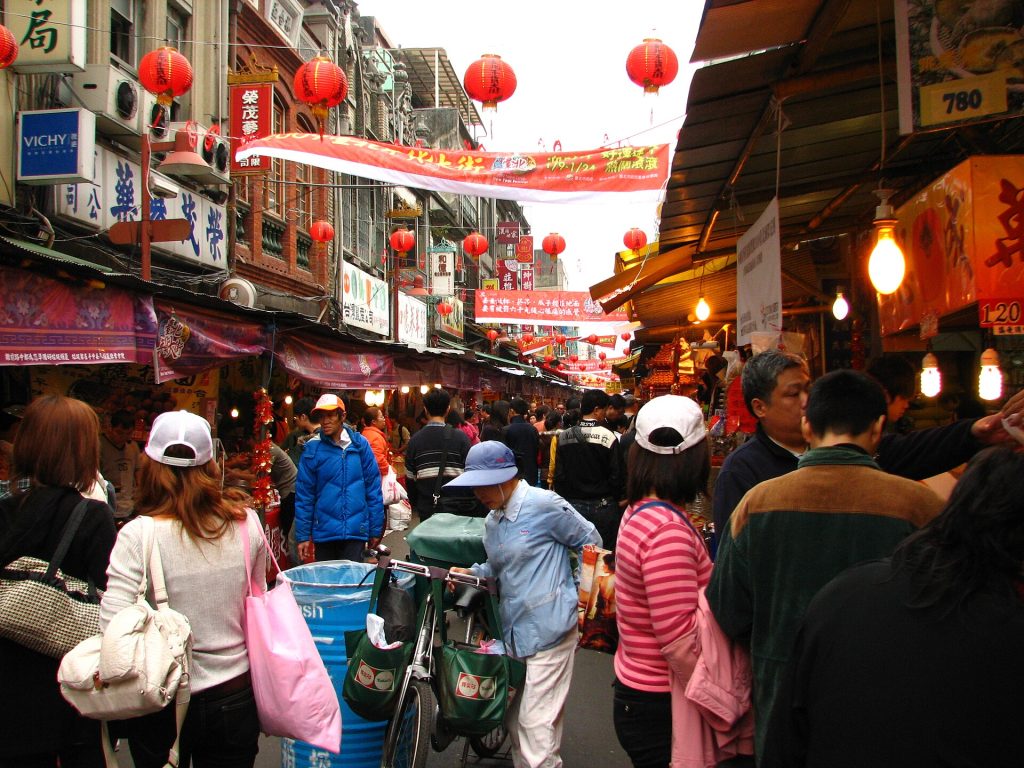
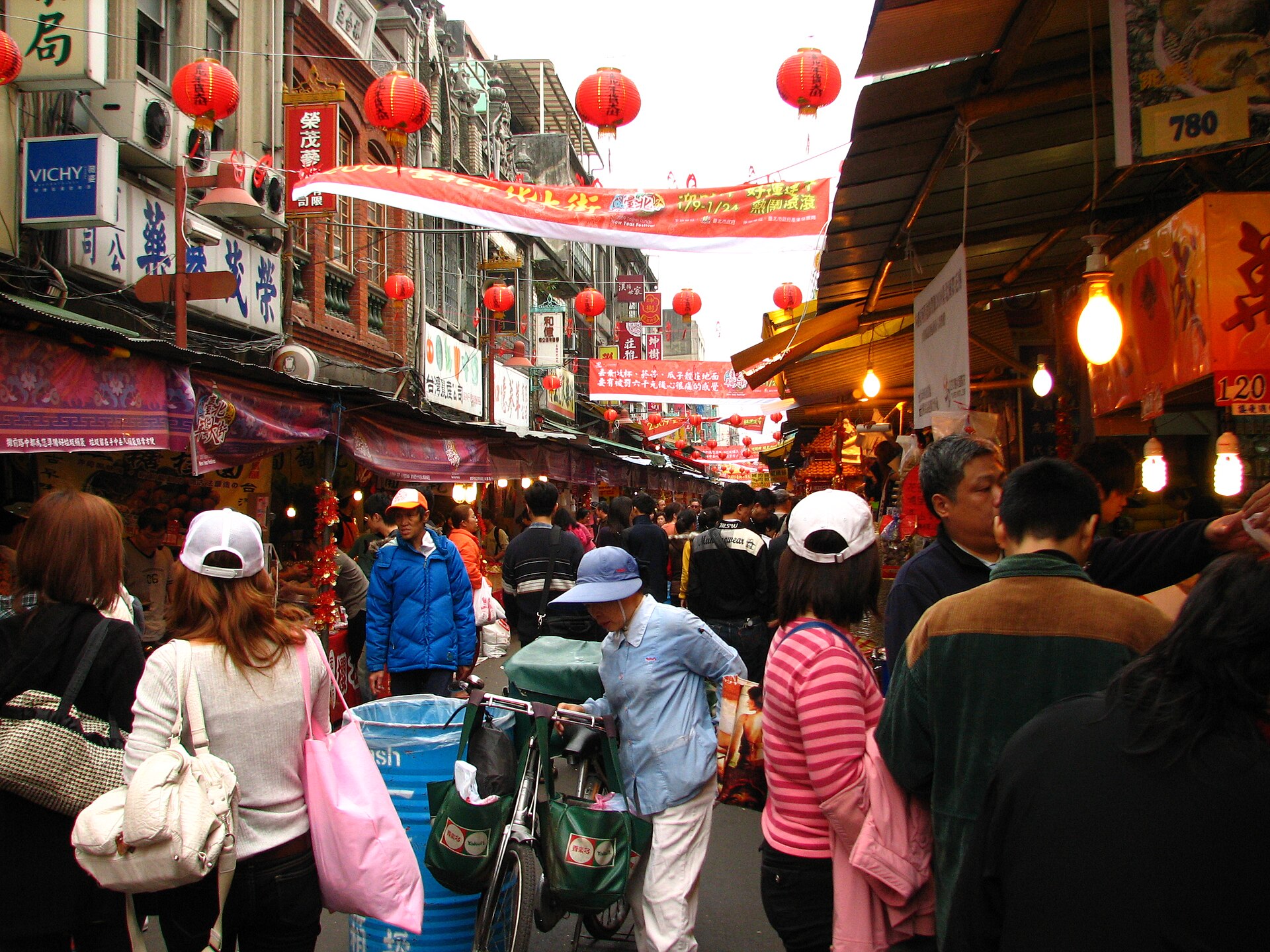
If you want the festival atmosphere without a family invitation, go to a temple fair — miao hui — in the first week. Beijing’s Ditan Park, Chengdu’s Wuhou Shrine, Guangzhou’s Chen Clan Academy: each sets up rows of stalls selling sugar painting, dough figurines, windmills, and roasted sweet potatoes. Acrobats spin plates on bamboo poles. Shadow puppets flicker behind a lit screen. The crowds are thick, the air thick with cumin and coal smoke. Arrive at opening, around nine, before the tour groups. Wear flat shoes. Keep your phone in a zippered pocket. Eat the candied hawthorn skewers while they are still warm; the sugar shell shatters against your teeth.
Money, Gifts, and the Digital Envelope
Cash is still king for hongbao, but WeChat red packets have taken over office parties and friend circles. If you are in a work group, expect a “rain” of digital envelopes — tap fast, the amount is random. Do not send four yuan, fourteen, or forty. Eight, eighteen, eighty-eight, and 168 (sounds like “prosper all the way”) are safe. When you receive a physical envelope, take it with both hands, say gong xi fa cai or xin nian kuai le, and do not open it in front of the giver. That happens later, in private.
What Newcomers Get Wrong
They book a hotel in a tourist district on the first day and find the shutters down, the staff gone home. They try to hail a taxi at midnight on Eve and watch empty cabs flash “off duty” signs. They wear black to a family dinner and notice the grandmother’s smile tighten. They post photos of the reunion table on social media before the elders have taken the first bite. They ask “When is Chinese New Year?” as if it were a single day, not a season of visiting, eating, resting, and returning. The festival is not a spectacle staged for you. It is a family engine running at full throttle. If you are welcomed into it, sit low, eat what is offered, listen more than you speak, and let the red paper-cut on the window catch the morning light.