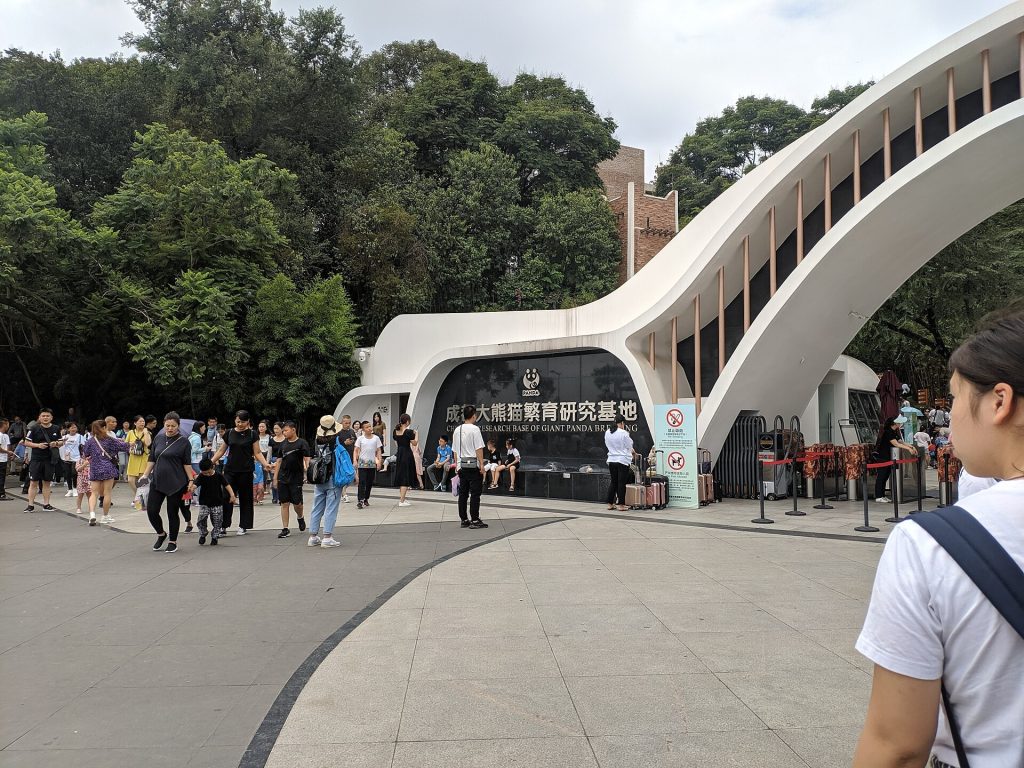
Visiting the Chengdu Research Base of Giant Panda Breeding (成都大熊猫繁育研究基地) is a bucket-list experience for anyone traveling to southwest China. Nestled just on the northern outskirts of Chengdu, this world-renowned facility is home to dozens of giant pandas and red pandas living in lush, bamboo-shaded enclosures that mimic their natural mountain habitats. For foreign visitors, however, navigating tickets, digital payments, transport apps, and early morning crowds can feel a bit daunting. This comprehensive guide covers everything you need to know to visit the base smoothly this autumn, featuring practical advice tailored specifically for international travelers.
1. Why Late Autumn is the Best Time to Visit
While Chengdu is a year-round destination, late October and November offer arguably the best weather window for a panda expedition. Summer in Sichuan is notoriously hot and humid, which causes pandas to retreat indoors into air-conditioned dens to escape the heat. As temperatures drop through autumn, the pandas become significantly more active, playful, and willing to spend time outdoors foraging and munching on fresh bamboo. Furthermore, the crisp morning air and changing autumn foliage make walking the expansive base grounds a deeply scenic experience.
To stay connected and access real-time translation apps or transit maps on the go, make sure you have set up a reliable China SIM and eSIM for Foreign Visitors in 2026 before landing.
2. Booking Tickets: What Foreigners Need to Know
Securing admission in advance is essential. Demand is exceptionally high, and tickets frequently sell out days ahead, especially during peak travel seasons and weekends.
* Where to Book: Rather than guessing opening hours or relying on outdated third-party blogs, you should always check the official base channels, WeChat mini-programs, or trusted international platforms like Trip.com to view current real-time availability, exact time slots, and pricing.
* Passport Required: International visitors must book using their valid passport details. When you arrive at the turnstiles, you will typically scan your physical passport directly at the automated gates for entry.
* Digital Payments: Because most official booking channels and on-site vending services operate entirely through digital RMB and Chinese mobile platforms, having your digital wallet ready is crucial. Ensure your accounts are fully verified by reviewing Alipay and WeChat Pay for Foreign Visitors in China 2026 prior to your trip.
3. Getting There from Chengdu City Centre
The Panda Base is located in Chenghua District, roughly 10 to 12 kilometers northeast of Chengdu’s city center (Tianfu Square / Chunxi Road).
* By Metro & Shuttle: You can take Chengdu Metro Line 3 to the Panda Avenue (熊猫大道) Station. From Exit D, dedicated tourist shuttle buses regularly run directly to the base entrance gates.
* By Taxi or Ride-Hailing: Hailing a taxi or using a ride-hailing app is affordable and convenient. To navigate local drivers, set destinations accurately, and track your route in English without confusion, learn how to use How to Use Amap (Gaode Maps) in China as a Foreigner: 2026 English Guide.
4. Best Morning Timing: Beat the Crowds
If there is one golden rule for visiting the Panda Base, it is this: Arrive early.
* The Early Morning Window: The base typically opens early in the morning (check official channels for exact seasonal gate times). Aim to arrive right at opening time—ideally passing through the turnstiles by 7:30 AM to 8:00 AM.
* Why Early Matters: Giant pandas are crepuscular, meaning they are most active during the cooler morning hours. Zookeepers generally feed them shortly after opening, which is when you will see them climbing trees, crunching on bamboo stalks, and rolling around outdoors. By mid-day, pandas tend to take long naps hidden away in the shade or indoor enclosures.
5. Navigating the New West Area & Facility Layout
Following major expansions, the Chengdu Panda Base now covers over 200 hectares, split primarily into the older South Area and the vast, modern West Area.
* The West Area Advantage: The West Area features state-of-the-art enclosures, tiered viewing platforms, and significantly wider boardwalks designed to handle heavy visitor volume. It is also home to the Giant Panda Museum, an interactive science education center featuring multimedia exhibits on panda biology and conservation history.
* Pacing Your Exploration: If you want to see both regions, expect a full morning of walking. Start at the main entrance in the South Area to catch the morning feeding frenzy at the older enclosures, then take a battery cart or walk north toward the West Area before crowds peak around 11:00 AM.
6. What to Expect On-Site & Practical Packing Tips
The Chengdu Panda Base is built across rolling hills with steep inclines. Preparing physically and packing smart will make or break your excursion.
* Vast Terrain & Footwear: Expect to walk anywhere from 5 to 8 kilometers if you explore thoroughly. Wear sturdy, broken-in walking shoes rather than fashion sneakers or sandals.
* Electric Sightseeing Cars: To save your legs (especially when tackling the uphill sections of the newer West Area), consider purchasing a ticket for the on-site battery-powered shuttle carts. Queues can form quickly, so patience is key.
* What to Pack: Bring a small daypack loaded with a refillable water bottle, light snacks, wet wipes, and pocket tissues (public restrooms in China frequently run out of toilet paper). A portable power bank is also indispensable since running translation apps, navigation tools, and cameras will drain your phone battery quickly.
7. Photography Rules & Etiquette
Capturing memories of the world’s most famous bears is a highlight of the trip, but strict rules protect the animals’ well-being:
* No Flash Photography: Never use flash or artificial video lights when photographing or filming pandas. Sudden bright flashes can permanently damage their sensitive eyes.
* Keep Quiet: Pandas have acute hearing and are easily stressed by loud noises, shouting, or banging on glass viewing panels. Speak in hushed, respectful tones.
* Maintain Distance: Respect all barrier ropes and staff instructions. Do not attempt to climb fences, throw objects into enclosures, or feed the animals.
8. Combining the Base with a Short Chengdu Stay
A successful visit to the Panda Base takes up roughly a morning (around 3 to 5 hours). You can easily pair your panda morning with other classic Chengdu experiences in the afternoon and evening:
* Stroll through the historic alleys of Jinli Ancient Street or Kuanzhai Alley to sample local Sichuan street snacks.
Relax with a cup of green tea under the bamboo pavilions of People’s Park (Renmin Park*).
* Savor an authentic Sichuan hot pot dinner to warm up after a crisp autumn day of walking.
Plan your logistics, secure your digital payments and maps ahead of time, and get ready for an unforgettable encounter with Chengdu’s most beloved furry residents!
Frequently Asked Questions (FAQ)
Can I hold a baby panda?
No. Commercial panda holding and close-contact photo sessions have been permanently banned at all breeding bases across China to safeguard animal health and prevent disease transmission. You can, however, observe adorable panda cubs through secure viewing glass in the nursery areas.
How much time do I need at the Panda Base?
Plan for at least 3 to 5 hours. Arriving right at opening time (around 7:30 AM) ensures you catch the most active window before leaving by lunchtime.
Are English signs available at the base?
Yes. Major directional signs, exhibit plaques, and safety warnings feature both Chinese characters and clear English translations, making it relatively straightforward for international travelers to navigate independently.