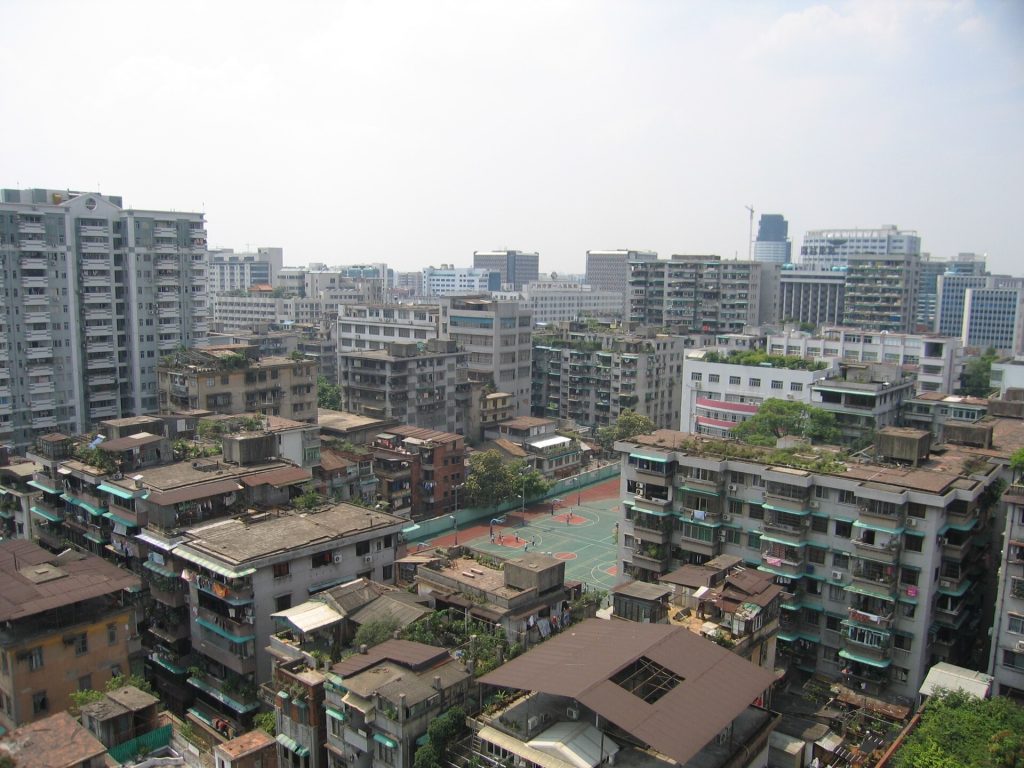
November is widely considered the absolute best month of the year to visit Guangzhou. Gone is the suffocating humidity and torrential rainfall of the summer months; in its place is a crisp, dry autumn climate with blue skies and comfortable daytime temperatures. Whether you are touching down for business, catching the tail end of major trade events, or exploring Lingnan culture, Guangzhou offers a seamless blend of hyper-modern skyline architecture and deeply rooted traditions. This comprehensive planner breaks down everything English-speaking independent travelers need to know to navigate Guangzhou smoothly in November 2026.
1. November Weather & What to Wear
Weather Overview
Guangzhou in November experiences ideal transitional weather. Daytime highs typically hover around 22°C to 26°C (72°F to 79°F), while nighttime lows drop to a refreshing 14°C to 16°C (57°F to 61°F). Humidity levels drop significantly compared to the sticky summer months, resulting in many clear, sunny days that are optimal for extended outdoor sightseeing. Rainfall is at its annual minimum, meaning you are unlikely to encounter major downpours or sudden tropical storms disrupting your daily plans.
What to Pack
* Layers are Key: Bring lightweight long-sleeve shirts, cotton blouses, and light sweaters or cardigans for the evenings. A light jacket, windbreaker, or blazer is sufficient for cooler nights or air-conditioned indoor venues.
* Comfortable Footwear: Guangzhou is a city best explored on foot—especially when navigating historic alleys, sprawling parks, and modern pedestrian malls. Pack broken-in walking shoes, as stone pathways in historic areas like Shamian Island can be uneven.
* Sun Protection: Even though it is autumn, southern China’s sun can still be deceptive during midday sightseeing. Bring sunglasses, a hat, and sunscreen to protect yourself during outdoor excursions.
2. Canton Fair Timing in November 2026
If your trip falls at the very beginning of the month, you will overlap with the final stretch of the autumn trade calendar. Confirm the current autumn Canton Fair phase dates on the official Canton Fair website before you travel, because schedules can shift.
* Phase 3 Focus: Toys, baby products, sports and recreation items, fashion accessories, home textiles, stationery, and healthcare products.
* Travel Tip: If you are visiting during these dates, expect hotels near Pazhou and major metro lines to fill up quickly. Be sure to book your accommodation well in advance and secure your buyer badge online ahead of arrival. Additionally, allow extra time when commuting via Metro Line 8 during morning and evening rush hours around the Pazhou station.
3. Key Neighbourhoods to Explore
Guangzhou’s charm lies in the stark contrast between its ancient past and its futuristic ambitions. Don’t miss these core districts:
* Tianhe District (The Modern Core): Home to the iconic Canton Tower, Zhujiang New Town, and futuristic plazas like TeeMall and K11. This is where you’ll find futuristic skyscrapers, high-end dining, and the striking Guangdong Museum. It serves as the financial heartbeat of modern southern China.
* Beijing Road & Yuexiu (The Historic Hub): A bustling pedestrian street that layers centuries of history, featuring excavated ancient glass road ruins right under your feet. It’s a brilliant area for street photography, casual shopping, and sampling local street snacks.
* Shamian Island (Colonial Heritage): A tranquil, vehicle-restricted sandbank island featuring quiet tree-lined avenues and well-preserved European-style architecture from the 19th and early 20th centuries. It offers a peaceful retreat from the city’s hyper-paced rhythm and is popular for afternoon strolls.
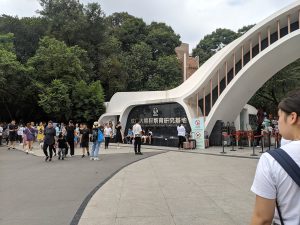
Looking for more deep-dive historical itineraries?* Check out our dedicated guide on the Guangzhou Chen Clan Academy Autumn Visit 2026 for a closer look at exquisite Lingnan wood and brick carvings.
4. Essential Digital Tools & Connectivity
Navigating China independently requires setting up your digital ecosystem before you land to ensure smooth communication, transit routing, and payment processing.
* Connectivity: Avoid expensive roaming fees and blocked access to Western apps by securing a reliable digital profile. Review options via the China SIM and eSIM for Foreign Visitors in 2026 to stay connected from the moment you touch down.
* Payments: Cash is rarely used in Guangzhou, and foreign credit cards are seldom accepted at local spots. Link your international Visa or Mastercard to digital wallets by following the Alipay and WeChat Pay for Foreign Visitors in China 2026 guide.
* Navigation: Google Maps does not function accurately inside mainland China. Download and master local routing apps with the How to Use Amap (Gaode Maps) in China as a Foreigner: 2026 English Guide.
5. Food & Nightlife: Dim Sum and River Cruises
The Art of Dim Sum (Yam Cha)
Guangzhou is the undisputed birthplace of Cantonese dim sum. November’s cool air makes sitting down for a steaming basket of shrimp dumplings (har gow) and barbecue pork buns (char siu bao) particularly comforting.
Classic Spots: Look for time-honored names like Lian Xiang Lou or Panxi Restaurant, or upscale contemporary spots in Zhujiang New Town. Remember that traditional morning tea (yam cha*) starts early—often around 7:00 AM—and locals treat it as a leisurely social ritual rather than a quick bite. Pair your meal with local oolong or pu’er tea to aid digestion.
Pearl River Night Cruise
To see Guangzhou’s skyline lit up in its full futuristic glory, book an evening cruise down the Pearl River.
How to Do It: Cruises typically depart from docks like Dashatou or Xiti*. Boats sail past the glowing Canton Tower, Haixinsha Island, and bridges illuminated with synchronized LED light shows. Booking a ticket online via WeChat mini-programs or through your hotel concierge ahead of time is strongly recommended, especially on weekend evenings when domestic tourism peaks.
6. Cultural Etiquette and Local Customs for Foreign Visitors
Traveling through Guangzhou is generally straightforward, but keeping a few local customs in mind will enhance your interactions:
* Tipping Culture: Tipping is not practiced in China. Leaving extra cash on a restaurant table can cause confusion, as staff will often chase after you to return “forgotten” money.
Basic Language Phrases: While younger locals in Tianhe may speak conversational English, learning a few basic Cantonese or Mandarin phrases—such as Moi goi (Cantonese for “thank you/please”) or Nǐ hǎo* (Mandarin for “hello”)—goes a long way in traditional teahouses and local neighborhood markets.
* Public Transit Etiquette: Stand on the right side of escalators in metro stations, and have your transit QR code ready on your phone screen before approaching turnstiles to keep passenger flow moving smoothly.
7. Transit, Airport Links & Visa-Free Rules
Getting Around: The Metro
Guangzhou Baiyun International Airport (CAN) is connected directly to the city center via Metro Line 3, making transit cheap, reliable, and straightforward. The Guangzhou Metro system is entirely bilingual (English and Mandarin), and you can pay for single rides or scan through automated turnstiles instantly using the transport QR code inside Alipay or WeChat Pay.
Visa-Free Transit Options
Depending on your nationality, you can leverage China’s transit-without-visa policies. Many international travelers flying through Guangzhou Baiyun International Airport can utilize streamlined short-term transit policies (such as the 144-hour visa-free transit scheme for eligible foreign citizens transiting to a third country). For a broader understanding of how modern multi-day transit policies operate across major hubs, review the China 240-Hour Visa-Free Transit 2026: Ports, Rules and How It Differs from 144 Hours. Always double-check your specific passport eligibility and onward ticket requirements with your airline prior to departure.
Frequently Asked Questions (FAQ)
* Is November a crowded time to visit Guangzhou?
November is a peak season for business travel due to the tail end of the Canton Fair and comfortable autumn weather, meaning hotels in business districts can fill up. However, general sightseeing spots are less congested than during national holiday Golden Weeks (like early October).
* Do I need to speak Mandarin or Cantonese to get around?
Not necessarily. Major metro stations, tourist attractions, and high-end hotels feature comprehensive English signage and bilingual staff. Translation apps and digital payment tools bridge most remaining communication gaps.
* What is the best way to handle mobile data?
Setting up an eSIM or purchasing a local tourist SIM card before or immediately upon arrival at Baiyun International Airport is the most efficient way to ensure uninterrupted navigation and translation access.